✓ Earnest money is a good faith deposit from buyer to seller.
✓ It demonstrates the buyer's serious intent to purchase.
✓ Typically 1-3% of the home's purchase price, but varies.
✓ It's held in an escrow account until closing or contract termination.
How It Works
1
Offer Acceptance & Deposit
When your offer is accepted, you typically submit the earnest money within a few days. This shows the seller you're committed to the deal.
2
Escrow Account Holding
The funds are placed into an escrow account, usually managed by a title company or attorney. This neutral third party safeguards the money.
3
Contingency Period
During this phase, you conduct inspections, secure financing, and appraise the property. If a valid contingency isn't met, you can often get your deposit back.
4
Closing or Forfeiture
At closing, the earnest money is applied towards your down payment or closing costs. If you back out without a valid contingency, you may forfeit the deposit to the seller.
The Purpose and Significance of an Earnest Money Deposit
Photo: RDNE Stock project / Pexels
In the exciting yet often complex journey of buying a home, you'll encounter various financial terms and procedures. One of the most fundamental and often misunderstood aspects is the earnest money deposit, frequently abbreviated as EMD. So, what is earnest money deposit, and why is it so significant in a real estate transaction? At its core, earnest money is a sum of money a buyer puts down to demonstrate their serious intent to purchase a property. It's not the down payment itself, though it ultimately contributes to it, nor is it a payment to the seller directly at the outset. Instead, it acts as a pledge, a tangible sign of the buyer's commitment to move forward with the purchase agreement.
Imagine a scenario where a buyer makes an offer on a house. Without an earnest money deposit, there's little to prevent them from making multiple offers on different properties and then simply walking away from any they don't wish to pursue, leaving sellers in a difficult position. The EMD changes this dynamic. By putting down a non-refundable (under certain conditions) sum, the buyer signals to the seller that they are serious, have thought through their decision, and are prepared to honor their side of the contract. This provides the seller with a level of assurance that their property will not be tied up indefinitely by a frivolous offer. From the seller's perspective, receiving an earnest money deposit is a strong indicator of a qualified and motivated buyer. It reduces the risk of their property being taken off the market only for the deal to fall through due to buyer cold feet.
Historically, the concept of earnest money dates back centuries, evolving from simple handshake agreements to formalized contractual obligations. In today's real estate market, it serves as a crucial element in creating a legally binding contract. When an offer is accepted, and the earnest money is deposited, it effectively takes the property off the market for other potential buyers, allowing the current buyer to proceed with due diligence. This period of due diligence typically involves home inspections, appraisals, and securing financing – all critical steps that require time and effort. The earnest money acts as a form of liquidated damages if the buyer defaults on the contract without a valid reason, compensating the seller for the time and opportunities lost. Understanding this fundamental purpose is key to navigating the early stages of your home purchase. It's a testament to good faith and a foundational step in securing your dream home. Learn more about the stages of home buying.
It's important to clarify that earnest money is not a fee paid to the real estate agents or a direct payment to the seller at the time of the offer. It's a deposit held in a neutral third-party account, usually by an escrow agent, title company, or an attorney, depending on local practices. This independent holding ensures that the funds are secure and are only disbursed according to the terms of the purchase agreement. This protection mechanism is vital for both parties. For the buyer, it means their money isn't directly in the seller's hands until the deal closes. For the seller, it provides comfort that the funds are readily available should the buyer breach the contract. The amount of earnest money can vary significantly based on market conditions, local customs, and the value of the property. In competitive markets, a higher earnest money deposit can make an offer more attractive to a seller, demonstrating even greater commitment. Conversely, in a slower market, sellers might be more flexible with the deposit amount. This initial financial commitment sets the tone for the entire transaction, fostering trust and providing a financial incentive for both parties to see the deal through to a successful closing.
How Much Earnest Money Should You Offer? Factors to Consider
Photo: cottonbro studio / Pexels
Deciding on the appropriate amount for an earnest money deposit is a critical strategic decision for any home buyer. While there's no universal magic number, common practice in the United States typically sees earnest money deposits ranging from 1% to 3% of the home's purchase price. However, this percentage can fluctuate significantly based on several key factors. The first and perhaps most influential factor is the local real estate market condition. In a highly competitive seller's market, where homes receive multiple offers and often sell above asking price, offering a higher earnest money deposit can make your offer stand out. A substantial EMD signals to the seller that you are a serious and financially capable buyer, potentially giving you an edge over competitors with similar offers but smaller deposits. Conversely, in a buyer's market, where homes sit longer and sellers are eager to close, a lower earnest money percentage might be acceptable.
The type of property also plays a role. For instance, a luxury home or a unique property might warrant a higher earnest money deposit simply due to its higher value and the specialized market it occupies. New construction homes might also have different earnest money requirements, sometimes with tiered deposits tied to construction milestones. Furthermore, the overall purchase price directly impacts the absolute dollar amount of the deposit. A 2% EMD on a $200,000 home is $4,000, while 2% on a $1,000,000 home is $20,000 – a significant difference that buyers must be prepared for.
Another crucial consideration is the seller's preference and the listing agent's advice. Sometimes, a seller might explicitly state a desired earnest money percentage in the listing, or their agent might communicate this during negotiations. It's always wise to consult with your own real estate agent, who has intimate knowledge of local market norms and can advise you on a competitive yet comfortable amount to offer. They can help you gauge what other buyers are offering in similar situations and how much leverage you have. Your financial situation is, of course, paramount. While you want to make a compelling offer, you should never offer more earnest money than you are comfortable potentially losing, especially if you foresee any potential issues with financing or inspections that might lead you to back out of the deal without a valid contingency. This leads us to the critical role of contingencies.
Contingencies are clauses in the purchase agreement that protect the buyer's earnest money. Common contingencies include a financing contingency (the deal is off if you can't secure a loan), an appraisal contingency (the deal is off if the home appraises for less than the purchase price), and a home inspection contingency (allowing you to back out or renegotiate if significant issues are found). If you back out of the deal for a reason covered by a valid contingency, you are typically entitled to get your earnest money back. However, if you back out for a reason not covered by a contingency, or if you simply change your mind, you risk forfeiting the entire deposit to the seller. Therefore, the amount of earnest money you offer should also reflect your confidence in meeting all contractual obligations and the strength of your contingencies. A higher EMD with strong contingencies can be a powerful combination, demonstrating commitment while still providing protection. It's a delicate balance between making your offer attractive and safeguarding your investment.
Protecting Your Earnest Money: Contingencies and Escrow
Photo: www.kaboompics.com / Pexels
Safeguarding your earnest money deposit is paramount during the home buying process. While the EMD demonstrates your commitment, it's equally important to ensure that your investment is protected should the deal not proceed as planned. The primary mechanisms for this protection are carefully crafted contingencies within your purchase agreement and the secure holding of funds in an escrow account. Understanding these elements is crucial for any buyer.
Contingencies are specific conditions that must be met for the real estate contract to remain binding. They are essentially 'escape clauses' that allow a buyer to legally withdraw from the purchase agreement and receive their earnest money back if certain events do not occur or conditions are not satisfied. The most common and vital contingencies include:
* **Financing Contingency:** This clause states that the purchase is dependent on the buyer securing a loan for the property. If the buyer is unable to obtain financing within a specified timeframe (despite good faith efforts), they can typically terminate the contract and retrieve their earnest money. This is critical for buyers who haven't yet secured a firm loan commitment.
* **Appraisal Contingency:** This protects the buyer if the home's appraised value comes in lower than the agreed-upon purchase price. Lenders typically won't finance more than the appraised value, so this contingency allows the buyer to renegotiate the price or walk away with their deposit if the seller won't adjust.
* **Home Inspection Contingency:** This is arguably one of the most important for buyer protection. It grants the buyer the right to have the home professionally inspected for structural, mechanical, or safety issues. If significant defects are found, the buyer can request repairs, a price reduction, or, in severe cases, terminate the contract and get their earnest money back. Without this, you could be stuck buying a money pit.
* **Title Contingency:** Ensures that the seller has clear legal ownership of the property and can transfer it free of liens or encumbrances. If title issues arise that cannot be resolved, the buyer can exit the contract.
Each contingency typically has a specific timeframe within which it must be satisfied. Missing these deadlines can put your earnest money at risk, as the contingency may expire, and you could lose your right to back out based on that condition. Your real estate agent will help you understand these timelines and ensure you meet them. It is imperative to work with an experienced real estate agent and potentially a real estate attorney to ensure your contract includes the necessary contingencies tailored to your specific situation and local laws. Find out more about working with real estate professionals.
The second layer of protection for your earnest money is the escrow account. When you submit your earnest money, it is not given directly to the seller. Instead, it is deposited into a neutral, third-party escrow account. This account is managed by an escrow agent, which could be a title company, an attorney, or a designated escrow service. The escrow agent's role is to hold the funds impartially and disburse them only according to the written instructions in the purchase agreement. This prevents either the buyer or the seller from unilaterally accessing the funds before the conditions of the contract are met.
At closing, if the deal proceeds successfully, the earnest money is released from escrow and typically applied towards your down payment or closing costs, effectively becoming part of your equity in the home. If the deal falls through due to a valid contingency, the escrow agent will return the earnest money to the buyer. However, if the buyer breaches the contract without a valid contingency (e.g., gets cold feet and decides not to buy), the escrow agent will, according to the contract, release the earnest money to the seller as liquidated damages. This neutral holding mechanism provides a secure and transparent process for handling the funds, assuring both parties that the money will be handled fairly according to the agreed-upon terms.
Common Mistakes and Best Practices with Earnest Money
Photo: RDNE Stock project / Pexels
Navigating the earnest money deposit process can be straightforward, but several common mistakes can lead to unnecessary stress or even the loss of your funds. Being aware of these pitfalls and adopting best practices will ensure a smoother transaction.
**Common Mistakes to Avoid:**
* **Missing Contingency Deadlines:** This is perhaps the most frequent and costly mistake. Forgetting to schedule an inspection, failing to obtain a loan commitment, or not reviewing an appraisal report within the specified contractual timeframe can cause a contingency to expire. Once a contingency expires, you lose the protection it offered, and backing out of the deal afterward could result in forfeiting your earnest money.
* **Waiving Contingencies Recklessly:** In a hot market, buyers sometimes waive contingencies (like inspection or appraisal) to make their offer more attractive. While this can be a competitive strategy, it carries significant risk. Waiving an inspection contingency means you accept the home 'as-is,' potentially inheriting expensive, unforeseen problems. Waiving an appraisal contingency means you're prepared to cover any gap between the appraisal and the purchase price out of pocket. Only consider this with extreme caution and a full understanding of the financial implications.
* **Not Understanding the Contract:** Signing a purchase agreement without fully comprehending the earnest money clauses, contingencies, and timelines is a recipe for disaster. Always read the contract thoroughly and ask your real estate agent or attorney to explain any unclear terms.
* **Submitting Earnest Money Directly to the Seller:** As discussed, earnest money should always be held by a neutral third party (escrow agent, title company, or attorney). Giving it directly to the seller bypasses this crucial protection and could make it very difficult to recover your funds if the deal goes south.
* **Offering Too Little or Too Much:** While not always a mistake, offering an earnest money deposit that is significantly lower than market norms might make your offer seem less serious. Conversely, offering an excessively large deposit without strong contingencies can expose you to greater financial risk if the deal falls apart.
**Best Practices for Buyers:**
* **Work with a Reputable Real Estate Agent:** An experienced agent is your best defense against mistakes. They will guide you through the contract, remind you of deadlines, and help you navigate negotiations to protect your earnest money.
* **Ensure Contingencies Are in Place:** Make sure your purchase agreement includes all necessary contingencies (financing, inspection, appraisal, title) that align with your comfort level and local market standards. Do not waive them unless you fully understand and accept the risks.
* **Understand Your Contractual Timelines:** Keep a calendar with all critical dates for contingencies. Act promptly to schedule inspections, get your loan approved, and review all documents within these timeframes.
* **Choose a Reputable Escrow Agent:** Your agent can recommend a trusted title company or escrow service. Verify their credentials and ensure they are licensed and insured.
* **Get Everything in Writing:** Any agreements, amendments, or changes to the contract, especially those related to earnest money release, should always be in writing and signed by all parties. This creates a clear legal record.
* **Communicate Clearly:** Maintain open communication with your agent, lender, and the escrow company. Ask questions if you're unsure about any step in the process. Clear communication can prevent misunderstandings and delays that could jeopardize your deposit.
By diligently following these best practices and being mindful of common pitfalls, you can ensure your earnest money deposit serves its intended purpose without becoming a source of undue risk or stress. It's an essential part of the home buying process, designed to facilitate a smooth transaction when handled correctly.
Comparison
Feature
Earnest Money Deposit
Down Payment
Closing Costs
Option Fee
Purpose
Good faith pledge
Initial equity in home
Fees for transaction
Right to terminate
When Paid
After offer acceptance
At closing
At closing
Upon contract signing
Held By
Escrow agent
Lender/Seller
Various parties
Seller (typically)
Refundable?
Conditional (with contingencies)
N/A (part of purchase)
N/A (fees for services)
No, usually non-refundable
Applied To Purchase?
✓
✓
✗ (fees for services)
✗
What Readers Say
★★★★★
"Understanding what is earnest money deposit made our first home purchase so much less stressful. Our agent explained the contingencies clearly, and we felt secure knowing our deposit was protected."
Sarah J. · Austin, TX
★★★★★
"I almost lost my earnest money once by missing a contingency deadline. This article really highlights the importance of staying on top of those dates. Great advice!"
Mark D. · Orlando, FL
★★★★★
"Thanks to a well-written contract and a strong appraisal contingency, we got our full earnest money back when the home appraised too low. It saved us from a bad deal."
Emily R. · Seattle, WA
★★★★★
"While I understood the basics, the distinction between earnest money and other deposits like the option fee was very helpful. It's a complex process, but this broke it down well."
David L. · Denver, CO
★★★★★
"As a seller, receiving a substantial earnest money deposit with a solid offer gave us immense confidence. It truly shows the buyer's commitment, and this guide explains why."
Jessica P. · Phoenix, AZ
Frequently Asked Questions
What is earnest money deposit and why is it required?
Earnest money is a good faith deposit made by a buyer to a seller, demonstrating their serious intent to purchase a property. It's required to make an offer legally binding and provides the seller assurance that the buyer is committed, taking the property off the market while due diligence is performed.
Can I lose my earnest money deposit?
Yes, you can lose your earnest money deposit if you back out of the purchase agreement for a reason not covered by a valid contingency, or if you fail to meet contractual deadlines. However, if you terminate the contract due to a valid contingency (like a failed inspection or inability to secure financing), you are typically entitled to a full refund.
How is earnest money typically paid and held?
Earnest money is usually paid via a personal check, cashier's check, or wire transfer. It is then held in an escrow account by a neutral third party, such as a title company, attorney, or escrow agent, until the closing of the transaction or termination of the contract according to its terms.
How much should I offer for earnest money?
The amount varies, but typically ranges from 1% to 3% of the home's purchase price. Factors like local market conditions (competitive vs. slow), the property's value, and the seller's expectations can influence the ideal amount. Your real estate agent can provide guidance based on current market trends.
Is earnest money the same as a down payment or closing costs?
No, earnest money is distinct from a down payment and closing costs. While earnest money is a deposit made at the beginning of the contract, it is eventually applied towards your down payment or closing costs at the time of closing. The down payment is the larger portion of the initial equity you put into the home, and closing costs are various fees associated with the transaction.
Who should handle the earnest money deposit?
A neutral third party, such as a licensed escrow agent, title company, or a real estate attorney, should always handle the earnest money deposit. This ensures the funds are held securely and disbursed impartially according to the terms of the purchase agreement, protecting both the buyer and the seller.
What if there's a dispute over the earnest money?
If a dispute arises over who is entitled to the earnest money, the escrow agent will typically hold the funds until both parties agree in writing on the disbursement, or until a court order dictates how the money should be released. This can sometimes lead to delays and legal action if an agreement cannot be reached.
Can I use earnest money for a cash offer?
Yes, earnest money is a common component of cash offers, just as it is for financed offers. In a cash offer, a substantial earnest money deposit can be an even stronger signal of the buyer's readiness and ability to close quickly, as it demonstrates immediate financial commitment without the need for lender approval.
Understanding what is earnest money deposit is a vital step in becoming a savvy homebuyer. By grasping its purpose, knowing how much to offer, and diligently protecting it with well-defined contingencies, you can navigate your real estate transaction with confidence and secure your future home. Start your home-buying journey informed and prepared.

 Photo: RDNE Stock project / Pexels
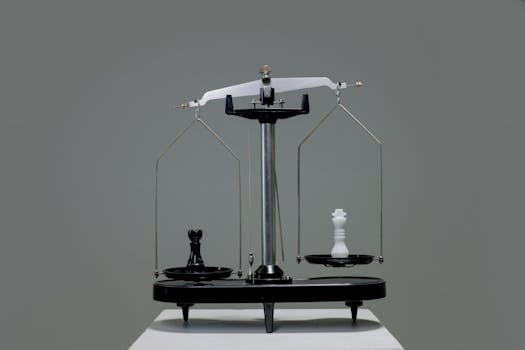 Photo: cottonbro studio / Pexels
 Photo: www.kaboompics.com / Pexels
 Photo: RDNE Stock project / Pexels