✓ Commissions are typically paid by the seller from the sale proceeds.
✓ The average total commission rate in the US is between 5% and 6%.
✓ This total commission is usually split between the buyer's and seller's agents.
✓ Commission rates are negotiable and not fixed by law or industry standards.
How It Works
1
Seller Agrees to Commission Rate
When listing a property, the seller signs an agreement with their agent, specifying the total commission percentage. This percentage is based on the final sale price of the home.
2
Commission Split Defined
The seller's agent then typically offers a portion of this total commission to the agent who brings a buyer. This split is publicly advertised on the Multiple Listing Service (MLS).
3
Property Sells and Funds Close
Upon a successful sale, the agreed-upon commission is deducted from the sale proceeds at the closing table. This ensures both agents are compensated for their services.
4
Brokerages Distribute Payouts
The total commission is first paid to the brokerages involved. Each agent then receives their share from their respective brokerage, often after a split with their broker.
Understanding the Fundamentals of Real Estate Commissions
Photo: RDNE Stock project / Pexels
Navigating the world of real estate can be complex, and one of the most frequently asked questions revolves around agent compensation: 'what is a real estate agent's commission?' At its core, a real estate agent's commission is the fee paid to agents for their services in facilitating the sale or purchase of a property. This compensation is how agents earn their living, covering their time, expertise, marketing efforts, and the overhead associated with running their business. Unlike many other professions, real estate agents typically work on a commission-only basis, meaning they only get paid if a transaction successfully closes. This performance-based payment structure incentivizes agents to work diligently on behalf of their clients.
In the United States, the average total real estate commission typically ranges from 5% to 6% of the home's final sale price. It's crucial to understand that this percentage is not a fixed, federally mandated rate, nor is it set by any industry association. Instead, it is a negotiable term between the seller and their listing agent. The commission is almost always paid by the seller, usually at the closing of the transaction, from the proceeds of the sale. This means that while the buyer's agent also receives a portion of the commission, the funds ultimately originate from the seller's pocket. This arrangement is a long-standing tradition in the US real estate market, designed to ensure that buyers can access professional representation without upfront financial barriers, thereby encouraging more transactions.
The total commission is not kept entirely by a single agent. Instead, it is typically split between two parties: the seller's agent (also known as the listing agent) and the buyer's agent. Each agent then further splits their portion with their respective brokerage firm. For example, if the total commission is 6%, it might be split 3% to the listing agent's brokerage and 3% to the buyer's agent's brokerage. The individual agents then receive a percentage of their brokerage's share, based on their agreement with the brokerage. This multi-layered distribution system ensures that all parties involved in the transaction, from the agents on the front lines to the brokerages providing support and legal oversight, are appropriately compensated for their roles. Understanding this foundational structure is the first step toward making informed decisions about your real estate transactions. For more insights into the roles of different professionals, explore our guide on understanding real estate roles.
How Real Estate Commissions Are Calculated and Distributed
Photo: Pixabay / Pexels
The calculation and distribution of real estate commissions follow a predictable pattern, though the exact percentages can vary. Let's break down the typical process. When a seller decides to list their property, they enter into a listing agreement with a real estate agent. This agreement will explicitly state the total commission percentage the seller agrees to pay upon the successful sale of their home. This percentage is applied directly to the final sale price. For instance, if a home sells for $400,000 with a 6% commission rate, the total commission paid out would be $24,000.
This total commission is then typically split, often equally, between the listing brokerage and the buyer's brokerage. So, in our example, $12,000 would go to the listing brokerage, and $12,000 would go to the buyer's brokerage. It's important to note that the listing agent, through their brokerage, publicly offers a portion of their agreed-upon commission to the buyer's agent. This offer is usually communicated via the Multiple Listing Service (MLS), which is the primary database agents use to share property information. This offer incentivizes buyer agents to show properties and bring qualified buyers to the table.
Once the transaction closes, the title company or attorney handling the closing will disburse the funds. The total commission is paid directly from the seller's proceeds to the respective brokerages. The individual agents then receive their share from their brokerage, based on their individual commission split agreement with their broker. These splits can vary widely, from 50/50 to 90/10 in favor of the agent, depending on their experience, production, and the services provided by the brokerage. This system ensures that all parties are compensated only after the transaction is complete, aligning their interests with a successful sale. It also highlights why an agent's motivation is directly tied to the property selling. Understanding these mechanics can empower sellers to discuss and negotiate commission rates more effectively, ensuring they get value for the fees paid.
Factors Influencing Commission Rates and Negotiation Strategies
Photo: Ron Lach / Pexels
While the average real estate commission hovers around 5-6%, several factors can influence this rate, and more importantly, it is almost always negotiable. Understanding these factors and employing effective negotiation strategies can potentially save sellers thousands of dollars. One significant factor is the local market conditions. In a hot seller's market with low inventory and high demand, agents may be more willing to negotiate a slightly lower commission, as homes are easier to sell. Conversely, in a buyer's market where properties sit longer, agents might be less inclined to reduce their rate due to the increased effort required to secure a sale.
The property's value also plays a role. Selling a multi-million dollar property at a 4% commission could still yield a substantial payout for the agent, making them more amenable to a lower percentage compared to a lower-priced home. The services offered by the agent are another key consideration. A full-service agent who handles everything from professional photography and staging to extensive marketing and complex negotiations might justify a higher commission than an agent offering more limited services. It’s crucial to clarify what services are included in the commission rate during your initial discussions.
When it comes to negotiation, preparation is key. Research local commission averages and be ready to articulate your expectations. Consider interviewing multiple agents and comparing their proposed services and commission rates. You might propose a tiered commission structure, where the agent earns a higher percentage if they sell the home above a certain price. Another strategy is to offer a slightly lower commission if you are also purchasing a new home with the same agent, effectively providing them with two transactions. It’s also possible to negotiate the split between the listing agent and buyer's agent, though the buyer's agent's portion is often harder to adjust without impacting buyer interest. Remember, a good agent is a valuable asset, and while negotiating is smart, ensure the commission still motivates your agent to perform their best. For further reading on maximizing your home's value, check out our guide on home staging tips.
Alternative Commission Structures and Avoiding Common Mistakes
Photo: RDNE Stock project / Pexels
Beyond the traditional percentage-based commission, the real estate industry is evolving, offering alternative structures that might better suit specific seller needs. Understanding these options can help you make a more informed decision and potentially save on costs. One such alternative is a flat-fee service, where the seller pays a predetermined fixed amount regardless of the sale price. This model is often offered by limited-service brokerages that might handle only the MLS listing, leaving other tasks like showings, negotiations, and paperwork to the seller. While it can be significantly cheaper, it requires the seller to be more hands-on. Another emerging model is the 'à la carte' service, where sellers can pick and choose specific services they need, paying for each individually. This offers flexibility but can become costly if many services are required.
Some agents also offer a reduced commission if they represent you as both a seller and a buyer, or if you're selling and buying within their brokerage. This can be an attractive option for those looking to both sell their current home and purchase a new one. It consolidates the agent's work and can result in overall savings. It's vital to discuss these options thoroughly with prospective agents to understand what is included and what responsibilities remain with you as the seller. Always ensure that any alternative commission structure is clearly outlined in writing in the listing agreement to prevent misunderstandings.
When navigating commissions, avoiding common mistakes is as important as understanding the options. Here are some pitfalls to steer clear of:
* **Not Interviewing Multiple Agents:** Limiting yourself to one agent means you miss out on comparing services, personalities, and commission rates. Always get at least three proposals.
* **Focusing Solely on the Lowest Commission:** A rock-bottom commission might mean fewer services, less marketing, or a less experienced agent, potentially leading to a lower sale price or a longer time on the market. Value should be prioritized over just cost.
* **Failing to Understand the Listing Agreement:** Read every clause carefully, especially those pertaining to commission rates, what happens if you cancel the agreement, and the duration of the contract.
* **Ignoring the Buyer's Agent Commission:** While the seller pays it, a low buyer's agent commission can disincentivize agents from showing your home, potentially reducing buyer traffic and offers.
* **Not Negotiating:** As established, commission rates are negotiable. Many sellers assume they are fixed and miss an opportunity to save money.
By being diligent and informed, sellers can navigate the commission landscape effectively, ensuring they get excellent service at a fair price.
Comparison
Feature
Traditional Commission
Flat-Fee Listing
Tiered Commission
Discount Brokerage
Total Cost (Average)
5-6% of Sale Price
$500 - $5,000
Variable (e.g., 5% up to $X, 4% above $X)
1-3% (listing agent) + buyer's agent fee
Services Included
Full service (marketing, negotiation, staging advice)
MLS listing, sometimes basic photos
Full service, with performance incentives
Limited services, often tech-driven
Seller Effort Required
Minimal (agent handles most tasks)
High (seller handles showings, negotiations)
Minimal (agent handles most tasks)
Moderate to High (depends on package)
Negotiability
✓
✗ (fixed fee)
✓ (tiered structure)
✗ (fixed lower rate)
Agent Motivation
High (tied to sale price)
Low (paid regardless of sale)
Very High (tied to higher sale price)
Moderate (tied to volume)
What Our Readers Say
5★★★★★
"Understanding what is a real estate agent's commission was a huge stress reliever. This guide broke down the percentages and who pays what so clearly. It empowered me to negotiate confidently."
Sarah J.Austin, TX
5★★★★★
"I always thought commission rates were set in stone. After reading this, I realized how much room there was for negotiation. We saved 0.5% on our sale, which was thousands of dollars!"
Mark P.Denver, CO
5★★★★★
"The explanation of the commission split between buyer's and seller's agents was incredibly helpful. It clarified why both agents are motivated to close the deal, leading to a quicker sale for us."
Emily R.Orlando, FL
4★★★★☆
"While I appreciate the depth, I wish there was more specific guidance on how to phrase negotiation points. Nonetheless, the overall information on what is a real estate agent's commission is top-notch and very informative."
David L.Seattle, WA
5★★★★★
"As a first-time homebuyer, I was confused about who paid the agents. This article made it clear the seller typically covers it, which was a huge relief and helped me budget better."
Jessica M.Chicago, IL
Frequently Asked Questions
Who typically pays the real estate agent's commission?
In the vast majority of residential real estate transactions in the US, the seller pays the entire real estate agent's commission. This commission is deducted from the sale proceeds at the closing of the transaction, and then typically split between the seller's agent's brokerage and the buyer's agent's brokerage.
Are real estate agent commission rates negotiable?
Yes, absolutely. Real estate agent commission rates are not fixed by law or any industry standard. They are always negotiable between the seller and their listing agent, and can vary based on market conditions, the agent's services, and the property's value.
How can I reduce the commission I pay to a real estate agent?
You can reduce commission by negotiating with your agent, considering flat-fee or limited-service brokerages, or opting for a tiered commission structure based on sale price. Interviewing multiple agents and comparing their services and rates is also a key step.
What is the average real estate agent commission in the US?
While it varies, the average total real estate agent commission in the United States typically ranges between 5% and 6% of the home's final sale price. This total is then usually split between the listing agent's and buyer's agent's brokerages.
Does the buyer pay any commission to their agent?
Directly, no. While the buyer's agent receives a portion of the total commission, that money ultimately comes from the seller's proceeds at closing. The buyer typically does not write a separate check to their agent for commission.
Who should use a real estate agent with a traditional commission structure?
Sellers who prefer a full-service experience, extensive marketing, professional negotiation, and minimal personal involvement in the selling process will benefit most from a traditional, full-commission real estate agent.
What are the risks of choosing a very low commission agent?
Choosing a very low commission agent might mean receiving limited services, less aggressive marketing, or less experienced representation. This could potentially lead to a lower sale price, a longer time on the market, or increased effort required from the seller.
Are real estate commissions expected to change in the future?
Yes, the real estate commission landscape is subject to ongoing discussions and potential changes, particularly regarding how buyer's agent commissions are structured and paid. Recent legal settlements suggest a shift towards greater transparency and potential for buyers to directly pay their agents, though the full impact is yet to be seen.
Understanding what is a real estate agent's commission is crucial for a successful and cost-effective real estate transaction. Use this knowledge to negotiate wisely, choose the right agent, and ensure you get the best value for your property. Take control of your real estate journey today.

 Photo: Thirdman / Pexels
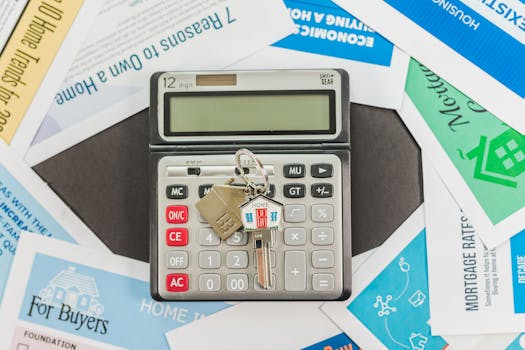 Photo: RDNE Stock project / Pexels
 Photo: Pixabay / Pexels
 Photo: Ron Lach / Pexels
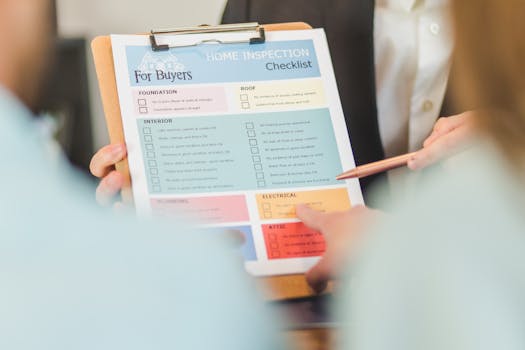 Photo: RDNE Stock project / Pexels