Understanding the Average Home Price New York City
average home price new york city

Understanding the Average Home Price New York City

Navigate the dynamic NYC real estate landscape with comprehensive data, expert analysis, and actionable insights for buyers and sellers.

Explore NYC Home Prices

Key Takeaways

  • ✓ The average home price in NYC varies dramatically by borough and neighborhood.
  • ✓ Manhattan typically boasts the highest median sale prices, often exceeding $1 million.
  • ✓ Brooklyn and Queens offer more diverse price points, from luxury to relatively affordable.
  • ✓ Co-ops and condos dominate the housing stock, each with distinct financial implications and ownership structures.

How It Works

1
Research Neighborhoods

Before diving into specific properties, understand that NYC is a mosaic of distinct neighborhoods, each with its own character, amenities, and price points. Researching areas like the Upper West Side, Williamsburg, or Forest Hills will provide crucial context for home values.

2
Analyze Property Types

New York City's housing stock is primarily composed of co-ops, condos, and townhouses. Each type has unique financial requirements, ownership rules, and maintenance costs, significantly impacting the overall affordability and long-term investment.

3
Consult Market Reports

Reputable real estate firms regularly publish detailed market reports that break down sales data by borough, property type, and price segment. These reports offer invaluable insights into current trends, inventory levels, and average sale prices, helping you stay informed.

4
Work with a Local Expert

Given the complexity and competitive nature of the NYC market, partnering with an experienced local real estate agent is essential. They can provide hyper-local insights, navigate co-op board approvals, and help you find properties that align with your budget and needs.

Demystifying the Average Home Price New York City: An Overview

Modern skyscraper exteriors against endless ocean under cloudy sky in New York City at sundown Photo: Charles Parker / Pexels
New York City, a global epicenter of culture, finance, and innovation, is renowned for its vibrant lifestyle and, notoriously, its high cost of living, particularly when it comes to real estate. The phrase "average home price New York City" is, in itself, a broad generalization that masks a myriad of nuances. Unlike many other major metropolitan areas where a single median price might give a relatively clear picture, NYC's real estate market is a patchwork of micro-markets, each with its own distinct characteristics, demand drivers, and price trajectories. Understanding this complexity is the first step for anyone looking to buy, sell, or simply comprehend property values in the five boroughs. At a macro level, the average home price in New York City consistently ranks among the highest in the United States and globally. This elevated pricing is a direct result of several persistent factors: incredibly high demand fueled by a constant influx of residents and international investors, severely limited supply due to geographical constraints and stringent zoning laws, and the prestige associated with owning a piece of one of the world's most iconic cities. Moreover, the city's robust job market, diverse cultural offerings, and world-class amenities contribute to its perennial appeal, ensuring that property remains a coveted asset. However, this overarching average is heavily skewed by the ultra-luxury segments, particularly in prime Manhattan neighborhoods. A more useful metric for most prospective buyers is the median sale price, which provides a better indication of what a typical home might cost in a specific area. Even then, the median can vary wildly. For instance, the median sale price for a home in Manhattan often hovers well over $1 million, sometimes approaching or exceeding $2 million, depending on the quarter and specific property types. In contrast, the median in parts of Staten Island might be closer to $600,000, illustrating the vast disparity within the city limits. These figures are not static; they fluctuate based on economic conditions, interest rates, inventory levels, and even seasonal buying patterns. Therefore, staying informed with current market reports is crucial for anyone engaging with NYC real estate. Exploring current real estate trends can provide further clarity. Beyond the raw numbers, the type of housing plays a significant role. New York City's housing stock is predominantly composed of co-operative apartments (co-ops) and condominiums (condos), with a smaller percentage of townhouses and single-family homes, primarily found in the outer boroughs. Co-ops, while often having lower purchase prices than comparable condos, come with strict board approval processes, significant financial requirements, and sometimes restrictive rules on subletting or renovations. Condos offer more flexibility and often command higher prices. Townhouses, especially in desirable areas of Brooklyn or Manhattan, represent the pinnacle of luxury and space, with price tags to match. The choice between these property types is not just about price, but also about lifestyle, long-term plans, and financial readiness, making the concept of an 'average home' incredibly complex in the New York City context. Understanding these foundational elements is paramount before delving deeper into specific borough and neighborhood breakdowns.

Borough-by-Borough Breakdown of NYC Home Prices

Stunning aerial panorama of New York City skyline overlooking Central Park during sunset. Photo: Lerone Pieters / Pexels
To truly grasp the average home price New York City, it's essential to dissect the market by its distinct boroughs. Each borough offers a unique blend of urban living, amenities, and, most importantly, price points, catering to a diverse range of budgets and preferences. The differences are not merely geographical; they reflect historical development, public transportation access, school districts, and cultural identities. **Manhattan:** Unsurprisingly, Manhattan consistently holds the title for the highest average and median home prices. This island borough is the financial and cultural heart of NYC, with iconic neighborhoods like the Upper East Side, Greenwich Village, and Tribeca. Here, median sale prices for apartments frequently exceed $1 million, with luxury properties in areas like Billionaires' Row fetching tens of millions, or even hundreds of millions. The average price per square foot is significantly higher than anywhere else in the city, reflecting the premium for location, views, and prestige. Co-ops still dominate the market share, especially in established neighborhoods, but new condominium developments continue to reshape the skyline and push price ceilings. The demand here is global, with international buyers often competing with domestic wealth, further driving up values. **Brooklyn:** Once considered a more affordable alternative to Manhattan, Brooklyn has seen a meteoric rise in property values over the past two decades. Neighborhoods like Dumbo, Brooklyn Heights, and Williamsburg now boast median prices comparable to, or even exceeding, some parts of Manhattan. Brownstones in areas like Park Slope and Fort Greene are highly coveted, often selling for multi-million dollar figures. However, Brooklyn is also a borough of contrasts. While its western and northern neighborhoods are expensive, areas further east and south, such as Bay Ridge or Midwood, can offer more attainable price points, though still well above the national average. The influx of young professionals and families seeking more space and a vibrant community has fueled this growth, making Brooklyn a dynamic and diverse market. **Queens:** As the largest borough by area, Queens offers the most varied housing landscape and, arguably, the most diverse price spectrum. From the luxury waterfront condos of Long Island City, which can rival Manhattan prices, to the more suburban-feeling single-family homes in neighborhoods like Forest Hills or Douglaston, Queens truly has something for everyone. Areas like Astoria and Jackson Heights have become increasingly popular, driven by excellent transportation links and diverse culinary scenes, leading to steady price appreciation. While generally more affordable than Manhattan or prime Brooklyn, certain pockets of Queens have seen significant price hikes, particularly those with easy access to Midtown Manhattan. The median home price in Queens typically sits below Brooklyn's average but still represents a substantial investment. **The Bronx:** The Bronx, while often overlooked in luxury real estate discussions, presents compelling opportunities for buyers seeking relative affordability within NYC. Its housing stock includes a mix of co-ops, multi-family homes, and single-family houses. Neighborhoods like Riverdale offer expansive properties and a more suburban feel, with prices reflecting this desirability. Areas undergoing revitalization, such as Mott Haven, have attracted new development and investment, leading to gradual price increases. The Bronx generally has the lowest average home prices among the five boroughs, making it an attractive option for first-time homebuyers or those looking for greater value. Its proximity to Manhattan and improving infrastructure are key drivers. **Staten Island:** Often referred to as the "forgotten borough," Staten Island stands apart with its predominantly suburban character and a higher concentration of single-family homes. It offers a distinct lifestyle from the other boroughs, featuring more green space and a slower pace. The average home price on Staten Island is typically the lowest in NYC, making it an accessible entry point for many. While less connected by subway, the Staten Island Ferry provides free, scenic access to Manhattan, and bus services are extensive. The market here is more akin to a traditional suburban market, with detached homes, yards, and a strong community feel. Prices can vary depending on proximity to the ferry terminal, views, and property size, but generally offer significantly more space for the money compared to its counterparts. Understanding these distinct borough markets is crucial for anyone trying to pinpoint a specific average home price New York City, as a city-wide average can be highly misleading.

Factors Influencing the Average Home Price New York City

Aerial view capturing the intricate skyline of New York City, showcasing its iconic skyscrapers. Photo: Zeeshaan Shabbir / Pexels
The average home price New York City is not a static figure but a dynamic reflection of numerous interconnected factors, constantly shifting and reacting to economic, social, and political currents. Understanding these underlying influences is key to making informed decisions in this hyper-competitive market. For both buyers and sellers, recognizing these drivers can help predict market movements and identify opportune moments for transactions. Understanding market dynamics is crucial for strategic planning. One of the most significant influences is **economic health and job growth**. New York City's robust economy, particularly in finance, tech, media, and healthcare, attracts a constant stream of high-earning professionals. Strong employment figures and expanding industries translate directly into higher demand for housing, which in turn pushes up prices. Conversely, economic downturns or periods of job stagnation can lead to a softening of the market, though NYC's resilience often means any dips are relatively short-lived compared to other regions. **Interest rates** play a critical role in determining affordability. When interest rates are low, borrowing money becomes cheaper, increasing purchasing power and encouraging more buyers to enter the market. This heightened demand can drive up prices. Conversely, rising interest rates can cool the market by making mortgages more expensive, reducing the pool of eligible buyers and potentially leading to price stabilization or even slight declines. **Inventory levels** are another major determinant. New York City is famously land-constrained, meaning that new construction, while ongoing, struggles to keep pace with demand. Low inventory — fewer homes available for sale — creates a seller's market, where bidding wars and quick sales at or above asking price become common. High inventory, though rare in NYC, can shift power to buyers, offering more negotiation leverage. The balance between supply and demand is a constant tug-of-war that dictates pricing trends. **Neighborhood amenities and transportation access** cannot be overstated. Proximity to subway lines, desirable school districts, parks, cultural institutions, and popular dining/shopping corridors significantly boosts property values. A home in a well-connected, amenity-rich neighborhood will almost always command a higher price than a comparable property in a less developed or less accessible area. The "15-minute city" concept, where daily needs are met within a short walk or ride, is highly valued in NYC and directly impacts pricing. Finally, **property type and condition** are fundamental. As discussed, co-ops, condos, and townhouses have different average price points due to their ownership structures, amenities, and associated costs. Within each category, the condition of the property – whether it's move-in ready, requires extensive renovations, or is a newly constructed luxury unit – will heavily influence its market value. Features like outdoor space, in-unit laundry, and modern finishes are also significant value-adds in the competitive NYC market. These factors combine in complex ways to shape the average home price New York City, making it a market that requires continuous monitoring and expert insight.

Navigating the NYC Market: Tips for Buyers and Sellers
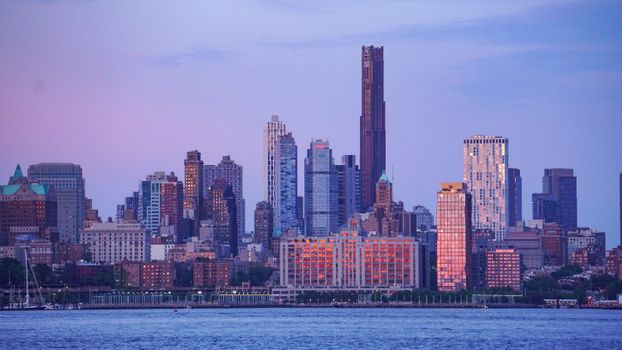
Stunning view of New York City skyline with skyscrapers at twilight. Photo: Koushalya Karthikeyan / Pexels
Understanding the average home price New York City is just the beginning; successfully navigating this competitive and complex market requires strategic planning and expert guidance. Whether you're looking to purchase your dream home or maximize your return on investment, these tips can help you achieve your real estate goals. **For Buyers:** * **Get Pre-Approved for a Mortgage:** Before you start house hunting, secure a mortgage pre-approval. This not only clarifies your budget but also signals to sellers that you are a serious and qualified buyer, which can be a significant advantage in a fast-moving market. * **Define Your Priorities:** NYC offers a vast array of neighborhoods and property types. Clearly define your non-negotiables (e.g., specific borough, number of bedrooms, access to public transport) and your 'nice-to-haves.' This focus will streamline your search and prevent decision fatigue. * **Be Prepared for Speed and Competition:** Desirable properties in NYC can go under contract very quickly, often with multiple offers. Be ready to act decisively, and don't be afraid to put your best foot forward in terms of offer price and terms. * **Understand Co-op Boards:** If considering a co-op, familiarize yourself with the intense board approval process. This often involves extensive financial disclosures, interviews, and can be a lengthy undertaking. Your agent will be crucial here. * **Factor in Closing Costs and Carrying Costs:** Beyond the purchase price, budget for significant closing costs (taxes, legal fees, title insurance) and ongoing carrying costs (maintenance fees/common charges, property taxes, utilities). These can add substantially to your overall housing expense. **For Sellers:** * **Price Your Home Competitively:** Overpricing your property can lead to it sitting on the market, eventually requiring a price reduction. Work with your agent to analyze comparable sales (comps) and price your home strategically to attract immediate interest. * **Stage Your Home Effectively:** First impressions are everything. Declutter, depersonalize, and consider professional staging to showcase your home's best features and help potential buyers envision themselves living there. * **Highlight Unique Features:** Does your apartment have a coveted outdoor space? Is your building pet-friendly? Emphasize these unique selling propositions in your listing and during showings. * **Be Flexible with Showings:** The more accessible your home is for showings, the more potential buyers will see it. Try to accommodate as many requests as possible, even on short notice. * **Prepare for Negotiations:** Be ready to negotiate on price, closing dates, and other terms. A good real estate agent will be invaluable in guiding you through this process and securing the best possible outcome. **Common Mistakes to Avoid:** * **Ignoring the "Hidden" Costs:** Many buyers focus solely on the purchase price, forgetting about property taxes, common charges/maintenance, and closing costs, which can significantly alter the true cost of ownership. * **Skipping Professional Inspections:** Even in new construction, a professional home inspection can uncover potential issues that could save you thousands down the line. * **Not Having a Local Expert:** The NYC market is unique. Relying on general real estate knowledge or out-of-town agents can put you at a disadvantage. A seasoned local agent understands neighborhood nuances, building histories, and negotiation tactics specific to the city.

Comparison

FeatureManhattanBrooklynQueensThe BronxStaten Island
Median Home Price (approx.)$1.2M - $1.8M$750K - $950K$550K - $700K$400K - $550K$500K - $650K
Property Type DominanceCo-ops, CondosBrownstones, CondosMulti-family, Single-familyMulti-family, Co-opsSingle-family homes
Price per Sq Ft (approx.)$1,200 - $2,000+$700 - $1,100$500 - $750$350 - $550$400 - $600
Public Transport AccessExcellent (Subway, Bus)Excellent (Subway, Bus)Good (Subway, LIRR, Bus)Good (Subway, Bus)Limited (Ferry, Bus)
LifestyleHigh-rise, Fast-pacedUrban, VibrantDiverse, ResidentialDeveloping, Community-focusedSuburban, Green

What Readers Say

"This article was incredibly helpful in breaking down the average home price New York City. I always thought it was just one huge number, but understanding the borough differences made my search much more focused. The insights on co-ops versus condos were particularly valuable."

Sarah L. · Upper West Side, NY

"As a first-time buyer in Brooklyn, I felt overwhelmed by the market. This guide clearly explained the factors influencing property values and gave me realistic expectations about the average home price New York City in my desired area. Highly recommend for anyone entering the NYC market."

David M. · Williamsburg, Brooklyn

"The detailed breakdown for Queens helped me understand why prices vary so much, even within the same borough. With this information, I was able to confidently make an offer that was competitive but also within my budget, leading to a successful purchase."

Jessica R. · Forest Hills, Queens

"While the focus was heavily on Manhattan and Brooklyn, the section on the Bronx was still informative. It confirmed my belief that there's still value to be found, even if the 'average home price New York City' often feels out of reach. Good overview, could use more Bronx detail."

Michael T. · Bronx, NY

"Moving from out of state, I had no idea about the vast differences within NYC real estate. This article provided a much-needed perspective on the average home price New York City across all boroughs, helping me understand why Staten Island offered the best value for my family's needs."

Emily C. · Staten Island, NY

Frequently Asked Questions

What is the current average home price in New York City?

The average home price in New York City is highly variable and depends significantly on the borough, neighborhood, and property type. While a city-wide average might misleadingly suggest a figure well over $1 million, it's more accurate to look at median prices by borough, which can range from approximately $400,000 in parts of the Bronx to over $1.5 million in Manhattan. Always consult recent market reports for the most current and specific data.

Is it possible to find an affordable home in NYC?

While 'affordable' is relative in New York City, it is certainly possible to find homes within various budget ranges. The key is to expand your search beyond prime Manhattan and popular Brooklyn neighborhoods. The Bronx, Staten Island, and many parts of Queens offer significantly lower median home prices and more diverse housing options, including multi-family homes and co-ops, which can be more accessible entry points into the market.

How do co-ops and condos affect the average home price New York City?

Co-ops and condos are the predominant housing types in NYC, and they significantly influence the average home price. Co-ops often have lower purchase prices than comparable condos but come with strict board approval processes, higher down payment requirements, and monthly maintenance fees that include property taxes and underlying mortgage. Condos offer more flexibility and direct ownership, often commanding higher prices but with separate common charges and property tax bills. These structural differences mean 'average' prices must be considered within each property type.

What are the hidden costs associated with buying a home in NYC?

Beyond the purchase price, buyers in NYC must budget for substantial hidden costs. These include closing costs (e.g., mansion tax, transfer taxes, title insurance, attorney fees, mortgage recording tax) which can amount to 2-5% of the purchase price. Additionally, ongoing carrying costs like monthly common charges (for condos) or maintenance fees (for co-ops), property taxes, and utilities can add thousands of dollars to your monthly expenses. It's crucial to factor these into your overall affordability assessment.

How does the NYC average home price compare to other major US cities?

The average home price in New York City consistently ranks among the highest in the United States, often surpassing cities like Los Angeles, San Francisco, and Boston. While specific comparisons vary by quarter and data source, NYC's unique combination of limited land, high demand, and global appeal typically places it at the very top for property values. This premium reflects its status as a global economic and cultural hub.

Who should consider buying a home in New York City?

Buying a home in New York City is suitable for individuals or families with stable finances, a long-term commitment to living in the city, and a clear understanding of the market's complexities. It's an excellent investment for those seeking to build equity in a globally significant market, enjoy unparalleled urban amenities, and navigate the competitive landscape with the help of experienced real estate professionals. First-time buyers may find more accessible options in the outer boroughs.

Are property values in NYC expected to continue rising?

Historically, New York City property values have shown remarkable long-term appreciation, even through various economic cycles. While short-term fluctuations are inevitable due to interest rates, inventory, and economic shifts, the fundamental drivers of demand (job growth, limited supply, global appeal) suggest a continued upward trend over the long run. However, growth rates will vary significantly by borough and neighborhood, with some areas seeing faster appreciation than others. Always consult with real estate professionals for future outlooks.

What impact does public transportation have on home prices?

Public transportation has a profound impact on home prices in New York City. Properties located within easy walking distance of subway stations or major bus lines generally command significantly higher prices due to the convenience and reduced commuting times. Access to reliable transit is a major factor for many residents, particularly those working in Manhattan, and areas with new or expanded transit options often see a corresponding increase in property values. It's a key determinant of desirability and therefore price.

Navigating the complexities of the average home price New York City requires precise, up-to-date information and expert guidance. Whether you're buying or selling, leverage our insights and connect with a local real estate professional to make your NYC property goals a reality. Start your journey informed and confident today.

Topics: average home price new york cityNYC real estate marketNew York City property valuesManhattan apartment pricesBrooklyn housing costs
Leo List

DK Escorts LU Escorts AT Escorts SE Escorts FI Escorts CH Escorts DE Escorts HR Escorts IE Escorts GR Escorts CZ Escorts NO Escorts BE Escorts FR Escorts SI Escorts IL Escorts NL Escorts PL Escorts HU Escorts ES Escorts IT Escorts PT Escorts SK Escorts RO Escorts ZA Escorts UY Escorts US Escorts UK Escorts NZ Escorts AU Escorts
Brampton weed
Adultwork EstrelaBet Vai de Bet R7 Bet Betão Galera Bet Rainbet Bet9ja Shop SportyBet BetKing Sisal Loto Foot Hollywoodbets YesPlay Odibets RushBet Jugabet BetWarrior BetCity MSport betPawa Fortebet