Top 5 Burikko Pose Mistakes to Avoid for Real Estate
June 27, 2026 18 min read 3,675 words
Unlock the secrets to captivating property photos by sidestepping common 'Burikko' posing pitfalls that deter potential buyers.
Improve Your Listings Now
Understanding 'Burikko' in a Professional Context: Why It Harms Your Real Estate Photos
In the world of real estate, every visual detail contributes to the overall perception of a property and, by extension, the professionalism of the agent presenting it. When we talk about 'Burikko' poses, we're referring to a style originating from Japanese pop culture, characterized by exaggerated cuteness, innocence, and often, a childlike demeanor. While this aesthetic might be charming in certain social or entertainment contexts, its application in real estate photography can be profoundly detrimental. The core objective of real estate photography is to showcase a property in its best, most appealing light, emphasizing its features, spaciousness, and potential as a home or investment. Introducing 'Burikko' elements, even subtly, can severely undermine this goal.
Imagine a potential buyer browsing through listings, seeking a serious investment or a new family home. Their primary focus is on the property itself – the layout, the finishes, the natural light, the overall ambiance. If an agent's photo features them in a pose that suggests an attempt at being 'cute' or overly youthful, it immediately shifts the viewer's attention away from the property and onto the agent's persona in an unhelpful way. This can lead to several negative outcomes: first, it can diminish the perceived professionalism and credibility of the agent. Real estate transactions are significant financial undertakings, and buyers look for agents who exude confidence, expertise, and seriousness. A 'Burikko' pose can inadvertently communicate a lack of gravity or experience, making buyers question the agent's capability to handle such an important transaction. Second, it distracts from the property. Every second a viewer spends analyzing an agent's awkward pose is a second not spent appreciating the gleaming kitchen countertops or the expansive backyard. The property becomes a backdrop for the agent's 'performance' rather than the star of the show. Third, it can create a sense of discomfort or incongruity. A luxurious, modern home paired with an overly cutesy pose can feel jarring and unprofessional, making it harder for the buyer to envision themselves living in or owning that space. The disconnect can be subtle but powerful, leading to a quick scroll past the listing. Finally, it can unintentionally alienate certain demographics. While some might find the 'Burikko' aesthetic endearing, many potential buyers, particularly those looking for high-value properties or those from different cultural backgrounds, may find it off-putting or simply irrelevant to their serious property search. Understanding the nuanced impact of visual communication is paramount in real estate, where first impressions are everything. The goal is always to enhance the property's appeal, not to create a personal brand that overshadows it. By recognizing and avoiding 'Burikko' tendencies, real estate professionals can ensure their photographs resonate with a broad audience and effectively highlight the true value of the properties they represent. For more insights on presenting properties, check out our guide on
effective home staging strategies.
Ultimately, the key to successful real estate photography lies in authenticity, professionalism, and a steadfast focus on the property. Any pose or expression that deviates from these principles risks undermining the entire marketing effort. It’s about creating an atmosphere of trust and inviting buyers to imagine their future within the property, not about drawing attention to the agent in a way that feels out of place or immature. The visual narrative should always serve the property, helping it tell its story as a desirable asset.
Mistake #1: The Exaggerated 'Kawaii' Hand Gesture
One of the most common and easily identifiable 'Burikko' pose mistakes in real estate photography is the exaggerated 'kawaii' hand gesture. This typically involves holding hands close to the face, often with fingers slightly curled, or making a 'peace sign' with an overly innocent expression. While these gestures are perfectly acceptable and even charming in personal photos or casual social media, they are a significant misstep in a professional real estate context. The primary issue with such gestures is that they instantly infantilize the agent and, by extension, the property being presented. Real estate is a serious business involving substantial financial decisions, and buyers are looking for confidence, competence, and reliability in their agent.
When an agent uses an exaggerated 'kawaii' hand gesture, it creates a visual dissonance. Instead of conveying authority and expertise, it can make the agent appear unserious, inexperienced, or even naive. This undermines the buyer's trust and can make them question the agent's ability to navigate complex negotiations or provide sound advice. Moreover, these gestures are highly distracting. A potential buyer's eye should be drawn to the architectural details, the quality of the finishes, or the spaciousness of a room. When an agent is making a 'cute' hand gesture, the viewer's attention is pulled away from these critical features and fixed on the agent's pose. This is counterproductive to the goal of showcasing the property. It transforms the property into a mere backdrop for the agent's personal branding, rather than allowing it to shine as the main subject.
Furthermore, 'kawaii' hand gestures can be culturally specific, and what might be perceived as charming in one context could be confusing or even off-putting in another. In a diverse market like real estate, it's crucial to adopt a universally professional and approachable demeanor that resonates with a broad spectrum of potential buyers. The goal is to build rapport and trust, not to alienate or distract. Instead of these gestures, agents should opt for open, natural hand positions. Hands can be relaxed by the sides, gently clasped in front, or used subtly to gesture towards a property feature (e.g., pointing to a view or a unique architectural detail) – always with purpose and grace. The focus should remain on inviting the viewer into the space and highlighting its best attributes. Simple, confident postures that convey professionalism and approachability are far more effective in building credibility and attracting serious buyers. Remember, every element in a real estate photograph, including the agent's pose, should reinforce the value and desirability of the property, not detract from it with an out-of-place aesthetic.
See also: pairsjp.com.
Mistake #2: The Overly Wide-Eyed, Innocent Stare
The second 'Burikko' pose mistake to meticulously avoid in real estate photography is the overly wide-eyed, innocent stare. This particular expression involves an agent attempting to look exceptionally wide-eyed, often combined with a slightly parted mouth or a subtle pout, aiming for an impression of vulnerability or childlike wonder. While intended to be endearing in some contexts, in real estate, it translates into a significant professional misstep. The core problem here is the immediate erosion of credibility and authority. When a potential buyer sees an agent with an overly innocent or naive expression, it contradicts the very qualities they seek in a real estate professional: knowledge, assertiveness, and the ability to negotiate effectively. Buyers want an agent who projects confidence and competence, someone who can represent their best interests in a complex market. An innocent stare can inadvertently signal inexperience or a lack of seriousness, making the agent appear less capable of handling the intricacies of a property transaction.
Beyond undermining credibility, this expression also creates a strong distraction from the property itself. The human brain is naturally drawn to faces and expressions. If the agent's face conveys an unusual or exaggerated emotion, the viewer's attention will inevitably be fixated on trying to interpret that expression rather than appreciating the property's features. Instead of noticing the elegant fireplace or the expansive garden, a buyer might be left wondering why the agent looks so surprised or vulnerable. This redirection of focus is detrimental to the marketing effort, as the property ceases to be the central point of interest. Furthermore, an overly wide-eyed stare can come across as forced or inauthentic. In an era where authenticity is highly valued, particularly in professional interactions, an artificial expression can raise red flags for discerning buyers. They may perceive it as an attempt to manipulate emotion rather than a genuine presentation of the property. This can lead to a feeling of distrust, which is antithetical to building a successful client relationship. For strategies on building trust, consider our article on
effective communication in real estate.
Instead of attempting an innocent stare, agents should aim for a genuine, confident, and approachable expression. A warm, natural smile that reaches the eyes, combined with a direct but not aggressive gaze, communicates professionalism, sincerity, and a welcoming attitude. The agent's expression should invite the viewer to explore the property, not to question the agent's maturity or capability. The eyes should convey intelligence and engagement, reflecting the agent's passion for the property and dedication to their clients. By consciously avoiding the overly wide-eyed, innocent stare, real estate professionals can ensure their photographic presence enhances, rather than detracts from, their professional image and the marketability of their listings. The goal is always to reassure and engage, building a foundation of trust from the very first visual impression.
Mistake #3: The Unnatural Body Angle or Awkward Tilt
The third significant 'Burikko' pose mistake to avoid in real estate photography is the unnatural body angle or awkward tilt. This often manifests as an agent leaning excessively to one side, tilting their head too far, or adopting a posture that seems intentionally off-balance or contorted, usually in an attempt to appear 'cute' or diminutive. While such angles might be used to create a playful or stylized effect in fashion or personal photography, in the context of real estate, they severely detract from professionalism and the property's presentation. The immediate impact of an unnatural body angle is a sense of instability and lack of seriousness. Real estate transactions require a stable, reliable presence. An agent who appears physically unstable or awkward in a photograph can subconsciously convey a similar lack of stability in their professional approach. Buyers are looking for someone grounded, confident, and in control, capable of guiding them through one of the most significant financial decisions of their lives. An awkward tilt or contorted posture undermines this perception, making the agent seem less capable or less prepared.
Moreover, these unnatural angles can be highly distracting, pulling focus away from the property's architectural lines, spatial flow, or key features. The human eye is naturally drawn to anything that seems out of place or unbalanced. If an agent is leaning at an odd angle, the viewer's brain will spend precious moments trying to process this visual anomaly rather than absorbing the crucial details of the property. This is particularly problematic when the agent is positioned within a room or highlighting a specific feature. An awkward pose can disrupt the visual harmony of the scene, making the property itself appear less appealing or less well-presented. Instead of enhancing the visual narrative, it creates a jarring element that detracts from the overall aesthetic. Furthermore, an unnatural body angle can make the agent appear less approachable or genuine. A forced, unnatural pose can communicate a sense of artificiality, suggesting that the agent is not comfortable in their own skin or is trying too hard to project a certain image. Authenticity is a cornerstone of building trust with clients, and a pose that feels contrived can erect an invisible barrier between the agent and the potential buyer. Buyers want to connect with a real person, not a caricature.
Instead, real estate agents should prioritize natural, confident, and open body language. Standing tall with good posture, shoulders back, and a relaxed stance communicates professionalism and self-assurance. Body angles should be subtle, perhaps a slight turn towards the property to guide the viewer's eye, but never to the point of appearing off-balance or forced. The goal is to appear integrated with the environment, acting as a guide rather than a distracting centerpiece. When posing, consider how your body language supports the narrative of the property – does it invite exploration, highlight spaciousness, or convey a sense of calm? By avoiding unnatural body angles and awkward tilts, agents can ensure their physical presence in photographs enhances the property's appeal and reinforces their professional credibility.
Mistake #4: Overuse of 'Cute' Props or Settings
The fourth critical 'Burikko' pose mistake to avoid in real estate photography is the overuse of 'cute' props or settings that are incongruous with a professional property listing. This mistake extends beyond just the agent's physical pose to the broader visual context of the photograph. It involves incorporating elements like oversized stuffed animals, brightly colored, childish decor in an otherwise mature home, or staging scenes that mimic a whimsical, fairytale aesthetic rather than a sophisticated, aspirational living space. While a touch of personality can be beneficial, an overdose of 'cuteness' in real estate photography creates a significant disconnect that harms the property's marketability.
The primary issue with this mistake is that it trivializes the property. A home, especially a high-value one, is a serious investment and a deeply personal space. When photographs are cluttered with 'cute' props or staged in an overly whimsical manner, it can make the property seem less substantial, less refined, and less appealing to a broad range of serious buyers. Instead of envisioning their adult lives or their family's future in the home, buyers might perceive it as a novelty or a space for a much younger demographic, even if that's not the target market. This instantly narrows the potential buyer pool and can deter those looking for a sophisticated or practical living environment. Furthermore, excessive 'cuteness' can distract from the property's genuine features and quality. A vibrant, cartoon-themed blanket draped over a designer sofa, or a collection of childish figurines on a bespoke mantelpiece, will draw the eye away from the craftsmanship, the material quality, or the architectural details that truly add value to the home. The focus shifts from the inherent merits of the property to the jarring, out-of-place props, making it harder for potential buyers to appreciate what they are actually purchasing. This is especially true for luxury properties, where every detail should exude elegance and sophistication.
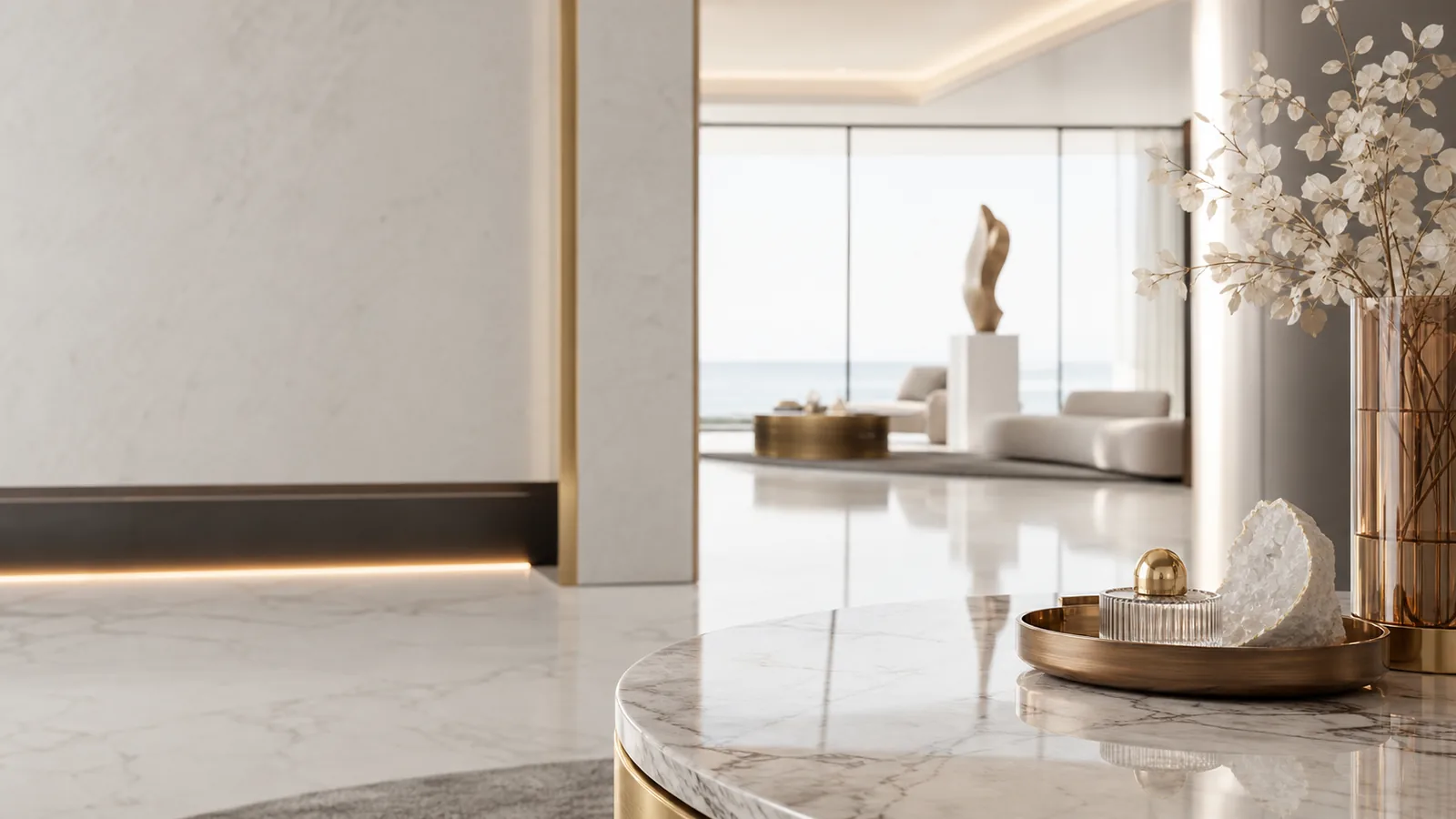
Moreover, the overuse of 'cute' props can make the property feel less aspirational and more specific to a very niche taste. Most buyers want to see a home as a blank canvas, or at least a tastefully decorated space where they can envision their own style. Overly specific or childish decor can make it difficult for them to project themselves into the space, creating a psychological barrier. It implies that the home is already 'owned' by a particular aesthetic that might not align with their own. Instead of inviting imagination, it dictates a narrative that may not resonate. The goal of real estate staging and photography is to create a universally appealing, aspirational vision of living in that space. This involves clean lines, tasteful decor, and an emphasis on space, light, and functionality. If props are used, they should be subtle, sophisticated, and designed to enhance the property's appeal, such as elegant vases, neutral-toned throw pillows, or well-placed greenery. Every element in the photograph should contribute to highlighting the property's value and desirability, not to creating an overly stylized or childish impression. By consciously avoiding the overuse of 'cute' props or settings, agents can ensure their listings appeal to the widest possible audience of serious buyers, presenting homes as sophisticated, valuable assets rather than whimsical playhouses.