Sell My House Fast for Cash: Your Ultimate Guide
July 21, 2026 16 min read 3,104 words
Unlock a swift, stress-free home sale by understanding the cash buyer process and securing a fair offer today.
Get Your Cash Offer Now
Understanding the 'Sell My House Fast for Cash' Landscape
 Photo: cottonbro studio / Pexels
The phrase "sell my house fast for cash" has become a beacon of hope for countless homeowners across the United States facing various challenging circumstances. It represents a departure from the conventional, often protracted, real estate selling process. Instead of listing with a real estate agent, enduring showings, negotiating repairs, and waiting for mortgage approvals, a cash sale offers a direct, expedited route to liquidity. This section delves into the fundamental principles behind cash home buying, exploring who these buyers are, what motivates them, and why this option has gained such significant traction.
At its core, selling your house fast for cash involves a direct transaction with an investor or a company specializing in purchasing properties outright, without the need for traditional bank financing. These entities, often referred to as cash home buyers, 'we buy houses' companies, or real estate investors, operate on a different business model than traditional buyers. Their primary objective is to acquire properties quickly, often below market value, with the intention of renovating and reselling, or holding as rental income properties. The speed and convenience they offer come at a price, which is typically a discount on the property's full market value. However, for many sellers, this trade-off is more than justified by the elimination of stress, fees, and delays.
Who are these cash buyers? They range from individual investors looking for a single property to large national franchises with established networks. What unites them is their ability to close transactions without relying on external financing. This means no appraisals required by lenders, no lengthy underwriting processes, and no risk of a buyer's loan falling through at the last minute. This financial independence is the bedrock of their promise to close quickly and reliably. They are equipped to handle properties in any condition, from pristine to dilapidated, as their business model often incorporates the cost of repairs and renovations into their initial offer. This is a significant advantage for sellers who lack the time, resources, or inclination to undertake pre-sale improvements.
The motivations for homeowners to seek a cash sale are as diverse as the sellers themselves. Life events often trigger the urgent need to sell: job relocation, divorce, inheritance of an unwanted property, impending foreclosure, burdensome rental properties, or simply the desire to downsize quickly. In these situations, the traditional market, with its 30-60 day closing periods (or longer), can feel like an insurmountable obstacle. The certainty of a cash offer, coupled with a flexible closing date, provides a much-needed solution. Furthermore, sellers can avoid the typical 5-6% real estate agent commissions, closing costs that can amount to 2-5% of the sale price, and the ongoing expenses of property taxes, insurance, and utilities while the house sits on the market. These savings, when factored into the overall equation, can significantly offset the discount on the sale price. Understanding these dynamics is the first step in determining if selling your house fast for cash is the right path for your unique circumstances. It's about weighing the immediate benefits of speed and convenience against the potential for a higher sale price through traditional channels. For many, the peace of mind and swift resolution offered by a cash sale are invaluable.
Learn more about real estate investment strategies.
The Mechanics of a Cash Home Sale: What to Expect
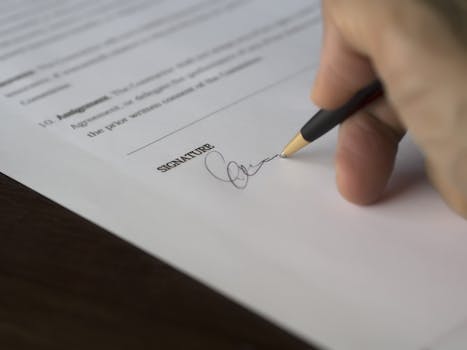 Photo: Pixabay / Pexels
Embarking on a cash home sale journey requires understanding the practical steps involved and setting realistic expectations. Unlike the multi-stage process of a traditional sale, a cash transaction is streamlined, designed for efficiency and speed. This section breaks down the typical flow, from initial contact to the final closing, ensuring you're well-informed at every turn.
The process usually begins with you, the homeowner, reaching out to a cash home buyer. This can be done through their website, a phone call, or by responding to their marketing materials (like 'we buy houses' signs). You'll typically be asked to provide some basic information about your property: its address, age, size, number of bedrooms/bathrooms, and a brief description of its condition. This initial data helps the buyer perform a preliminary assessment and determine if the property fits their investment criteria. It's important to be as transparent as possible about any known issues, as this will lead to a more accurate initial offer.
Following this initial contact, the cash buyer will usually schedule a quick, no-obligation property visit. This isn't a lengthy inspection like those required by mortgage lenders. Instead, it's a walk-through designed for the buyer to confirm the property's condition, assess potential repair costs, and finalize their offer. During this visit, feel free to ask questions and express any concerns you might have. The buyer will then present you with a written, all-cash offer. This offer is typically non-negotiable in the same way a traditional offer might be, but you always have the option to decline it if it doesn't meet your expectations. Remember, these offers are generally below market value because they factor in the buyer's costs for repairs, holding costs, and their profit margin, in addition to the convenience and speed they provide.
If you accept the offer, the next step is signing a simple purchase agreement. This document outlines the terms of the sale, including the purchase price, the agreed-upon closing date, and any contingencies (though cash sales typically have very few). One of the most attractive aspects of a cash sale is the flexibility regarding the closing date. You can often choose a date that works best for your schedule, whether that's in a week, two weeks, or even a month or more, depending on your needs. This flexibility is a stark contrast to the rigid timelines often imposed by mortgage lenders in traditional sales.
The final stage is the closing. This usually takes place at a local title company or attorney's office. The cash buyer handles all the paperwork and typically covers all standard closing costs, which can include title insurance, escrow fees, and transfer taxes. You, as the seller, simply sign the necessary documents, and the funds are wired directly to your bank account, often within hours of signing. There are no real estate commissions to pay, no staging costs, no open houses, and no last-minute repair demands. The entire process is designed to be as smooth and predictable as possible, culminating in you receiving your cash quickly and moving on to your next chapter. This straightforward approach is precisely why so many homeowners turn to cash buyers when time is of the essence.
Who Benefits Most from Selling a House for Cash?
 Photo: MART PRODUCTION / Pexels
While the option to "sell my house fast for cash" is available to virtually any homeowner, certain situations and property types lend themselves particularly well to this expedited sales method. Understanding these scenarios can help you determine if a cash sale aligns with your specific needs and goals, offering a tailored solution where traditional routes might fall short.
One of the most common beneficiaries are homeowners facing financial distress. This includes those struggling with mortgage payments, facing foreclosure, or dealing with liens on their property. In these urgent situations, the ability to sell quickly and avoid further financial penalties or damage to credit can be paramount. A cash buyer can often close before a foreclosure auction, providing a much-needed escape route and preserving the seller's financial future. Similarly, landlords tired of managing problematic tenants or dealing with vacant rental properties find cash sales appealing. The ongoing costs, maintenance, and stress associated with rental ownership can be significant, and a quick cash sale offers a clean break without the need to evict tenants or make extensive repairs to prepare the property for a traditional market sale.
Another significant group are those who have inherited a property they don't want or can't afford to maintain. Inherited homes often come with emotional baggage, deferred maintenance, and the added burden of property taxes and utilities. If the heirs live out of state, or simply don't have the time or resources to prepare the house for sale, a cash buyer provides a straightforward solution. They purchase the property 'as-is,' relieving the heirs of the responsibility for repairs, cleaning, or even clearing out unwanted belongings. This can be particularly valuable when multiple heirs are involved and need to liquidate the asset quickly and divide the proceeds.
Properties in need of significant repairs are also ideal candidates for cash sales. Homes that are outdated, damaged by natural disasters, or have structural issues often struggle on the traditional market. Most conventional buyers rely on financing, and lenders are typically unwilling to approve mortgages for properties that don't meet certain condition standards. Cash buyers, however, specialize in these types of properties. They have the capital and resources to undertake extensive renovations, making them perfectly suited for homes that would otherwise be difficult to sell. This saves the seller the considerable time, effort, and expense of renovating before selling.
Finally, homeowners undergoing major life transitions, such as a sudden job relocation, divorce, or the need to downsize quickly, can greatly benefit. The speed and certainty of a cash sale allow these individuals to move forward with their lives without the added stress of a prolonged home sale process. It provides the flexibility to close on their timeline, ensuring a smooth transition to their next chapter. In essence, if your priority is speed, convenience, and a guaranteed sale without the typical hassles, a cash buyer is likely your best option.
Explore more about property valuation methods.
Navigating the Cash Offer: Tips and Potential Pitfalls
 Photo: Vlad Deep / Pexels
While the allure of a fast cash sale is strong, it's crucial to approach the process with due diligence and a clear understanding of what to expect. Not all cash buyers are created equal, and being informed can help you secure the best possible outcome while avoiding common pitfalls. This section provides actionable tips and highlights potential issues to watch out for.
**Tips for a Successful Cash Sale:**
* **Research Reputable Buyers:** Before committing, do your homework. Look for companies with positive online reviews, a strong local presence, and transparent communication. Check their Better Business Bureau ratings and read testimonials. A reputable buyer will be clear about their process and offer.
* **Understand Your Property's Value:** Even if you're selling 'as-is,' have a general idea of your home's market value in its current condition. While a cash offer will be below this, knowing the ballpark helps you assess if the offer is fair for the convenience provided. You can use online valuation tools or consult with a local real estate agent for a comparative market analysis (CMA), even if you don't plan to list traditionally.
* **Be Transparent About Condition:** While cash buyers purchase 'as-is,' being upfront about known issues can streamline the process and prevent surprises later. This builds trust and leads to a more accurate initial offer, reducing the likelihood of last-minute adjustments.
* **Get Everything in Writing:** Ensure all terms, including the purchase price, closing date, and any agreed-upon responsibilities (like who covers closing costs), are clearly documented in a written purchase agreement. Never proceed based solely on verbal agreements.
* **Don't Feel Pressured:** A legitimate cash buyer will give you time to review their offer and make an informed decision. Be wary of anyone pressuring you into an immediate commitment without allowing you to consider your options.
* **Ask About Fees:** Clarify upfront if there are any hidden fees, commissions, or charges you'll be responsible for. Reputable cash buyers typically cover all closing costs, but it's always best to confirm.
**Potential Pitfalls to Avoid:**
* **Unrealistic Offers:** Be cautious of buyers who make an incredibly high offer sight unseen, only to drastically reduce it after a property visit. This is a common tactic to get their foot in the door.
* **Lack of Proof of Funds:** A legitimate cash buyer should be able to provide proof of funds (e.g., a bank statement or letter from a financial institution) if requested. This confirms they have the capital to close the deal.
* **Vague Contracts:** Avoid contracts with ambiguous language or terms that seem overly favorable to the buyer. If you're unsure, have a real estate attorney review the agreement before signing.
* **Ignoring Red Flags:** If a buyer seems unprofessional, difficult to reach, or makes promises that sound too good to be true, trust your instincts and consider other options.
By following these tips and being aware of potential pitfalls, you can navigate the cash home sale process confidently, ensuring a smooth, secure, and beneficial transaction for your unique situation.
