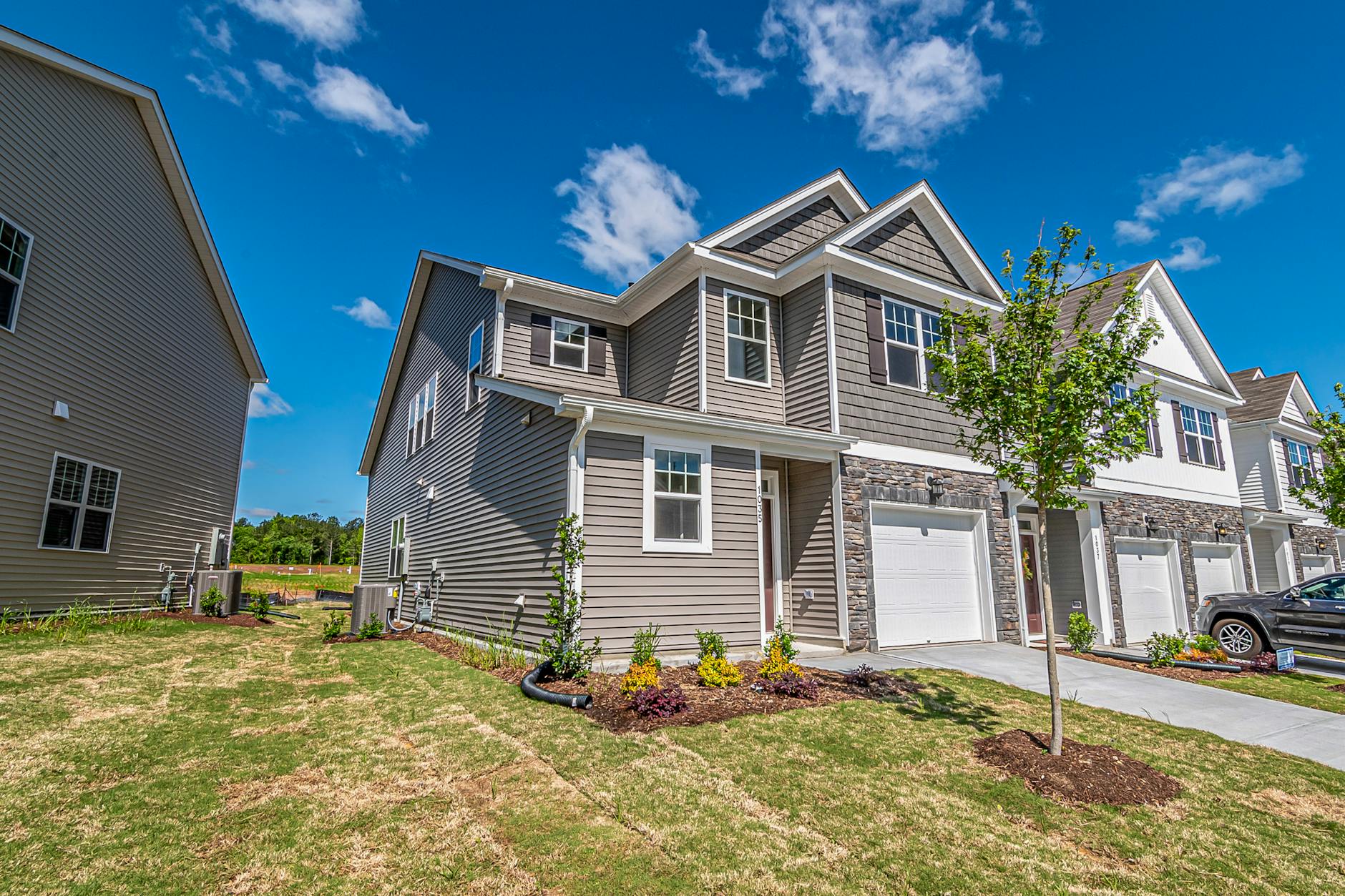
The Pros and Cons of Buying a Duplex: Your Ultimate Guide
pros and cons of buying a duplex

The Pros and Cons of Buying a Duplex: Your Ultimate Guide

Explore the financial advantages and potential pitfalls of duplex ownership to make a smart real estate investment.

Discover Duplex Potential

Key Takeaways

  • ✓ Duplexes offer a unique 'house hacking' opportunity, allowing you to live in one unit and rent out the other.
  • ✓ Rental income from a duplex can significantly offset or even cover your mortgage payments.
  • ✓ Property management responsibilities are a key consideration, especially if you live on-site.
  • ✓ Financing a duplex can sometimes be easier than other multi-family properties due to owner-occupancy options.
  • ✓ Market conditions and local rental demand heavily influence a duplex's investment viability.

How It Works

1
Research Market Conditions

Understand local real estate trends, rental rates, and vacancy rates in areas you're considering. This informs your potential return on investment.

2
Secure Financing

Explore mortgage options like FHA, VA, or conventional loans, noting that owner-occupied duplexes often have favorable terms. Get pre-approved to know your budget.

3
Find and Evaluate Properties

Work with a real estate agent experienced in multi-family homes. Focus on property condition, potential rental income, and tenant appeal.

4
Manage Property & Tenants

Once purchased, you'll be responsible for maintenance, rent collection, and tenant relations. Decide if you'll self-manage or hire a property manager.

Understanding Duplex Investments: A Strategic Overview

Facade of colorful old fashioned residential house with windows and doors located on street with power lines in town against cloudless sky Photo: Erik Mclean / Pexels
Investing in real estate, particularly in multi-family units like duplexes, presents a unique blend of opportunities and challenges for prospective homeowners and investors. A duplex, by definition, is a single residential building containing two separate living units. These units share a common wall but have independent entrances, kitchens, and bathrooms. This configuration makes them distinct from single-family homes and larger multi-unit apartment buildings, positioning them as an attractive option for a specific type of buyer. The primary appeal of a duplex often lies in its potential for 'house hacking.' This strategy involves the owner occupying one unit while renting out the other. The rental income generated from the second unit can significantly offset the owner's mortgage payments, property taxes, and insurance. For many first-time homebuyers, especially those looking to enter the real estate market with limited capital, house hacking a duplex can make homeownership more affordable and sustainable. It allows individuals to build equity while simultaneously generating income, a dual benefit not typically found in traditional single-family home purchases. Beyond the immediate financial relief, duplexes offer a pathway to becoming a real estate investor with a relatively low barrier to entry compared to commercial properties or larger apartment complexes. The management responsibilities, while present, are generally less complex than those associated with a larger portfolio of properties. This makes it an ideal stepping stone for those who envision growing their real estate ventures in the future. Furthermore, owning a duplex can provide a tangible asset that appreciates over time, offering a hedge against inflation and a valuable addition to one's overall financial portfolio. The ability to live on-site also provides a level of control and immediate response capability that off-site landlords often lack, fostering better tenant relations and property maintenance. However, it's crucial to approach duplex investment with a clear understanding of its nuances. The market for duplexes can vary significantly by location, influenced by local zoning laws, population density, and economic conditions. A thriving rental market is paramount for the success of a duplex investment, as consistent occupancy and competitive rental rates directly impact profitability. Before diving in, prospective buyers should conduct thorough due diligence, including market analysis, property inspections, and financial projections. Understanding the local tenant demographic and their needs is also vital for attracting and retaining quality renters. For those considering their first foray into investment properties, a duplex offers a manageable entry point to real estate investing, blending personal residence with income generation in a compelling package. It's a strategic move for those seeking to maximize their housing investment.

The Alluring Advantages of Duplex Ownership

Smiling couple happily holding keys to their new home, symbolizing new beginnings and ownership. Photo: Kindel Media / Pexels
One of the most compelling advantages of buying a duplex is the immediate opportunity for income generation. By renting out one unit, owners can generate significant passive income that can drastically reduce or even eliminate their monthly housing expenses. Imagine having your mortgage payment cut in half, or even fully covered, by a tenant's rent. This 'house hacking' strategy is a powerful financial tool, allowing individuals to build equity in a property without the full burden of a traditional mortgage. This financial relief can free up capital for other investments, savings, or simply improve one's quality of life. Beyond the direct financial offset, duplexes offer a unique pathway to building wealth through real estate. Property appreciation, a cornerstone of real estate investment, applies to duplexes just as it does to single-family homes. As the property value increases over time, so does the owner's equity. Furthermore, the ability to generate rental income provides a dual benefit: not only does it help with immediate expenses, but it also contributes to the property's overall cash flow, making it an attractive asset for future refinancing or sale. This combination of income generation and asset appreciation makes duplexes a robust investment vehicle. Another significant benefit is the flexibility and control that comes with being a live-in landlord. Being on-site means you can respond quickly to maintenance issues, fostering better tenant relations and ensuring the property is well-maintained. This immediate oversight can prevent minor issues from escalating into costly repairs. It also allows for careful tenant selection and a more hands-on approach to property management, which can be invaluable for new investors. For those who are comfortable with the responsibilities, this level of control can lead to a more profitable and less stressful investment experience. Duplexes can also offer tax advantages. Many expenses associated with owning a rental property, such as mortgage interest, property taxes, insurance, depreciation, and maintenance costs, can be tax-deductible. It's crucial to consult with a tax professional, but these deductions can significantly reduce your taxable income, further enhancing the financial benefits of duplex ownership. The ability to leverage these tax benefits, coupled with income generation and appreciation, positions duplexes as a highly attractive investment for those looking to maximize their financial returns in the real estate market. The diversified income stream from two units also provides a buffer against vacancies, as losing one tenant doesn't mean a complete loss of income, unlike a single-family rental.

Navigating the Challenges: Potential Drawbacks of Duplex Ownership
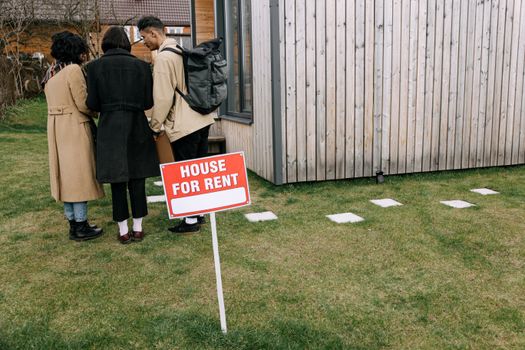
Group of adults viewing a wooden house with a 'House for Rent' sign on the lawn. Photo: Ivan S / Pexels
While the benefits of duplex ownership are substantial, it's equally important to understand the potential drawbacks and challenges. The most prominent challenge often revolves around property management. As a landlord, you become responsible for everything from finding and vetting tenants to collecting rent, handling maintenance requests, and addressing potential disputes. This can be a significant time commitment, especially if you're managing the property yourself while living on-site. Late-night calls for emergency repairs, dealing with difficult tenants, or navigating eviction processes can be stressful and demanding. While hiring a property manager can alleviate some of this burden, it comes at a cost, typically 8-12% of the monthly rent, which eats into your profit margins. Property management skills are essential for success. Another consideration is the potential for tenant-related issues to impact your personal living space. Living next door to your tenants means that their noise, habits, or disputes can directly affect your quality of life. Maintaining a professional landlord-tenant relationship while sharing a wall can be tricky. It requires clear boundaries, effective communication, and sometimes, a thick skin. Privacy can become a concern, as tenants might feel more comfortable approaching you directly and frequently with issues, blurring the lines between landlord and neighbor. Financing a duplex, while sometimes more accessible than larger multi-family properties, still comes with its own set of hurdles. Lenders often have stricter requirements for multi-unit properties compared to single-family homes, even if you plan to owner-occupy. Your debt-to-income ratio will be scrutinized, and the property's potential rental income will be a key factor in the loan approval process. Interest rates for multi-unit properties can also sometimes be slightly higher than for single-family homes, although owner-occupied FHA and conventional loans can mitigate this. Finally, market fluctuations and vacancies pose inherent risks. If the local rental market softens, you might struggle to find tenants, be forced to lower rents, or experience longer vacancy periods. A vacant unit means a significant loss of income, potentially leaving you responsible for the entire mortgage payment. Economic downturns, job losses in the area, or an oversupply of rental units can all contribute to these challenges. It's crucial to have an emergency fund to cover mortgage payments during periods of vacancy or unexpected large repairs. Furthermore, the resale market for duplexes can sometimes be narrower than for single-family homes, potentially affecting the ease and speed of selling the property in the future. These factors necessitate careful planning and a robust financial cushion to navigate the complexities of duplex ownership successfully.

Essential Tips for Duplex Buyers and Common Mistakes to Avoid

From above crop anonymous male wearing casual outfit ticking important notes in clipboard while packing carton boxes during moving out Photo: https://kaboompics.com/ / Pexels
For prospective duplex buyers, thorough preparation and strategic decision-making are paramount. Here are some essential tips to guide your journey and common mistakes to steer clear of: **Essential Tips for Success:** * **Do Your Homework on Location:** The success of a duplex hinges heavily on its location. Research neighborhoods with strong rental demand, low vacancy rates, and good amenities like schools, public transport, and job opportunities. A desirable location attracts quality tenants and ensures consistent rental income. * **Crunch the Numbers Meticulously:** Beyond the purchase price, calculate all potential expenses including mortgage, property taxes, insurance, maintenance, potential vacancies, and property management fees (if applicable). Use the 1% rule as a quick gauge (monthly rent should be at least 1% of the purchase price), but perform detailed cash flow analysis. * **Get a Thorough Inspection:** Never skip a comprehensive property inspection by a qualified professional. Duplexes, being older in many cases, can have hidden issues with plumbing, electrical systems, roofing, or foundations. Identifying these upfront can save you tens of thousands in future repairs. * **Understand Landlord-Tenant Laws:** Familiarize yourself with federal, state, and local landlord-tenant laws. These govern everything from lease agreements and security deposits to eviction procedures and tenant rights. Ignorance of these laws can lead to costly legal troubles. * **Build an Emergency Fund:** Aim to have at least 6-12 months of operating expenses saved up. This fund is crucial for covering mortgage payments during vacancies, unexpected major repairs, or legal fees. * **Screen Tenants Rigorously:** Implement a robust tenant screening process, including credit checks, background checks, employment verification, and previous landlord references. High-quality tenants are the backbone of a successful rental property. **Common Mistakes to Avoid:** * **Underestimating Expenses:** Many first-time landlords underestimate the true cost of owning a rental property, overlooking ongoing maintenance, repairs, capital expenditures (like roof replacement), and potential vacancies. * **Emotional Purchases:** Don't let your desire for a home overshadow your analytical investment mindset. Evaluate the duplex primarily as an income-generating asset. * **Poor Tenant Screening:** Rushing the tenant selection process or neglecting thorough background checks is a recipe for disaster, potentially leading to property damage, late payments, or costly evictions. * **Ignoring Local Market Trends:** Buying in an area with declining population, high vacancy rates, or an oversupply of rentals can severely impact your investment's profitability and appreciation. * **Neglecting Property Maintenance:** Delaying necessary repairs or neglecting regular maintenance can lead to larger, more expensive problems down the line and can also deter good tenants from renewing their leases. * **Failing to Have a Clear Lease Agreement:** A vague or incomplete lease can lead to misunderstandings and disputes. Ensure your lease clearly outlines rent, payment due dates, late fees, maintenance responsibilities, pet policies, and other rules. By heeding these tips and avoiding common pitfalls, duplex buyers can significantly increase their chances of a successful and profitable real estate investment.

Comparison

FeatureDuplex (Owner-Occupied)Single-Family HomeLarge Multi-Family (5+ Units)
Income PotentialHigh (offsets mortgage)None (unless rented fully)Very High (multiple units)
Mortgage AffordabilityHigh (income offsets costs)Moderate (single income)Lower (stricter loan terms)
Property ManagementModerate (live-in landlord)Low (self-occupied)High (professional manager needed)
Entry BarrierModerate (good for first-time investors)Low (first-time homebuyers)High (significant capital)
Flexibility✓ (live-in or rent both)✗ (primary residence)✓ (pure investment)
Tenant InteractionDirect & FrequentN/AIndirect (via manager)

What Readers Say

"Buying a duplex was the best financial decision I've made. The rental income covers almost 80% of my mortgage, and I've learned so much about property management. The only downside is sometimes feeling like I'm always 'on call' for my tenants."

Sarah J. · Austin, TX

"I used the FHA loan to get into my duplex, and it's been fantastic. I'm building equity faster than I ever thought possible. Just make sure you screen your tenants thoroughly; that's key to avoiding headaches."

Mark T. · Denver, CO

"Our duplex allowed us to afford a home in a much better neighborhood than we could have otherwise. Within two years, the property value appreciated significantly, and we refinanced, pulling out cash for another investment. It truly jumpstarted our real estate portfolio."

Emily R. · Portland, OR

"The pros of living rent-reduced definitely outweigh the cons of being a landlord, but it's not for everyone. You need to be handy or have a good network of contractors. Occasionally, tenant noise is an issue, but overall, it's a solid investment strategy."

David L. · Chicago, IL

"As a single professional, a duplex gave me financial independence. I rent out the downstairs unit, and the income more than covers my living expenses. It's like having a built-in roommate, but with a professional boundary and a lease!"

Jessica M. · Atlanta, GA

Frequently Asked Questions

What is 'house hacking' when buying a duplex?

House hacking refers to the strategy of buying a multi-unit property, like a duplex, living in one unit, and renting out the other unit(s). The rental income generated helps to offset or even cover your mortgage payments, property taxes, and other housing expenses, making homeownership more affordable.

Is it harder to get a mortgage for a duplex than a single-family home?

It can be, but not always significantly. Lenders may have slightly stricter requirements for multi-unit properties, even owner-occupied ones. However, programs like FHA loans are specifically designed to make it easier to finance 2-4 unit properties with lower down payments, provided you live in one of the units.

How do I find good tenants for my duplex?

Finding good tenants involves a multi-step process: advertise effectively, conduct thorough tenant screening (credit checks, background checks, employment verification, landlord references), and use a clear, legally sound lease agreement. Setting fair rent and maintaining a well-kept property also helps attract quality renters.

What are the typical upfront costs when buying a duplex?

Upfront costs for a duplex include the down payment (which can range from 3.5% for FHA to 20% or more for conventional loans), closing costs (typically 2-5% of the loan amount), and potentially an appraisal and inspection fee. You'll also need an emergency fund for unexpected repairs or vacancies.

How does owning a duplex compare to investing in a REIT?

Owning a duplex offers direct ownership, potential for house hacking, and more control over the asset, but it comes with landlord responsibilities. A REIT (Real Estate Investment Trust) is a passive investment, offering liquidity and diversification without direct property management, but you have no control over individual properties and are subject to stock market fluctuations.

Who should consider buying a duplex?

Individuals or families looking to reduce their housing costs, first-time homebuyers seeking an entry into real estate investment, those comfortable with landlord responsibilities, or investors looking for a manageable way to generate passive income and build equity should consider buying a duplex.

What are the biggest risks associated with duplex ownership?

The biggest risks include tenant vacancies (leading to lost income), unexpected and costly repairs, difficult or non-paying tenants, and potential declines in the local rental or real estate market. Thorough due diligence and an emergency fund can mitigate many of these risks.

What is the future outlook for duplex investments in the US?

The outlook for duplex investments remains strong, particularly in urban and suburban areas with high demand for affordable housing and rental properties. With rising home prices, 'house hacking' strategies are becoming increasingly popular, suggesting continued interest in duplexes as both a home and an investment.

Understanding the pros and cons of buying a duplex is crucial for making a sound real estate investment. Whether you're aiming for financial independence through 'house hacking' or seeking to grow your real estate portfolio, a duplex offers a unique path. Arm yourself with knowledge and expert advice to unlock its full potential.

Topics: pros and cons of buying a duplexduplex investmenthouse hackingrental property benefitsreal estate investment strategy
Leo List

DK Escorts LU Escorts AT Escorts SE Escorts FI Escorts CH Escorts DE Escorts HR Escorts IE Escorts GR Escorts CZ Escorts NO Escorts BE Escorts FR Escorts SI Escorts IL Escorts NL Escorts PL Escorts HU Escorts ES Escorts IT Escorts PT Escorts SK Escorts RO Escorts ZA Escorts UY Escorts US Escorts UK Escorts NZ Escorts AU Escorts
Brampton weed
Adultwork EstrelaBet Vai de Bet R7 Bet Betão Galera Bet Rainbet Bet9ja Shop SportyBet BetKing Sisal Loto Foot Hollywoodbets YesPlay Odibets RushBet Jugabet BetWarrior BetCity MSport betPawa Fortebet