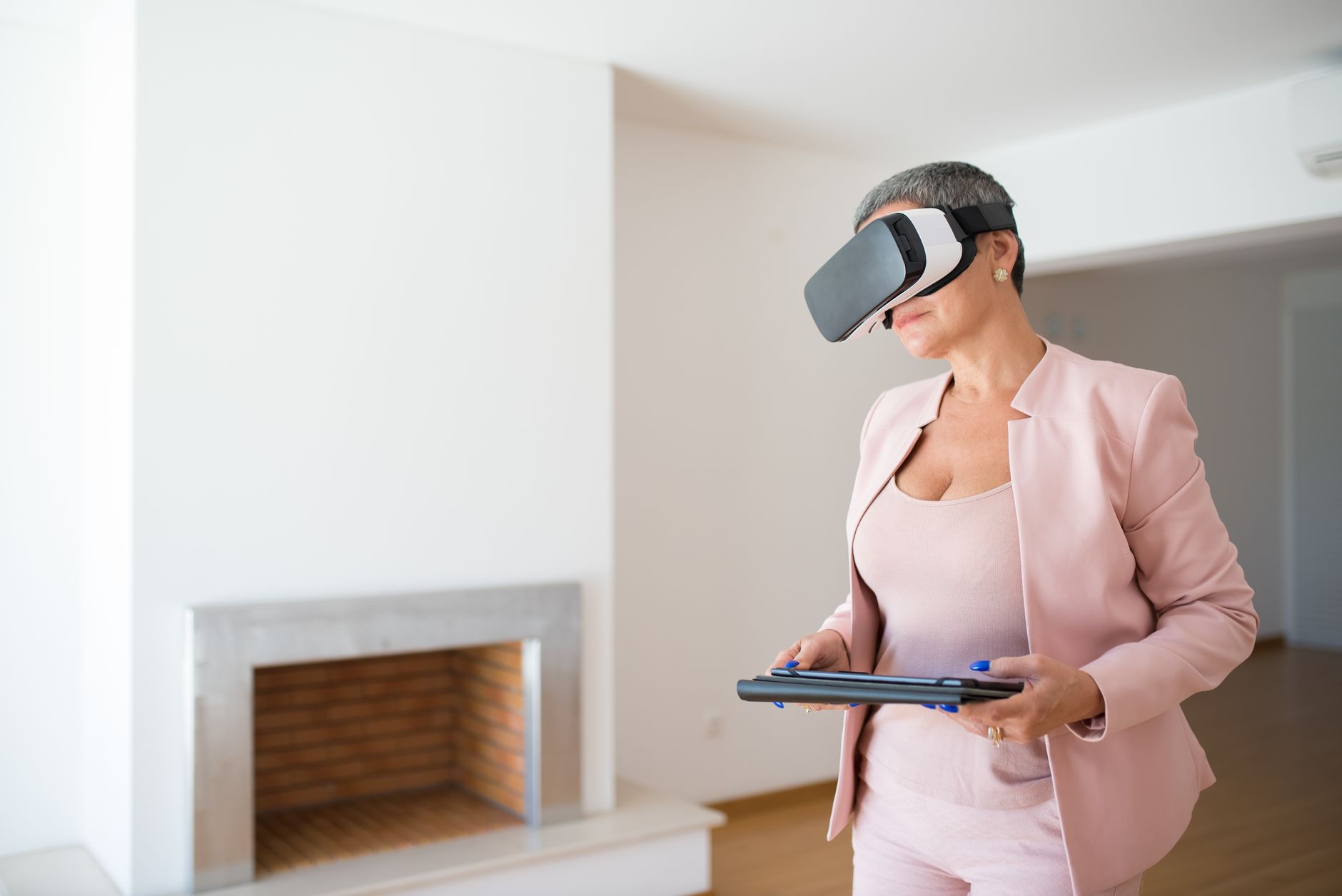
How to improve video call quality for real estate success
How to improve video call quality

How to improve video call quality for real estate success

Master your virtual presence with crystal-clear video and audio for impactful client interactions and property presentations.

Optimize Your Calls Now

Key Takeaways

  • ✓ High-quality video calls can increase client engagement by up to 30% in real estate.
  • ✓ Poor audio is cited as the number one reason for client dissatisfaction in virtual meetings.
  • ✓ Proper lighting and background can make a property look 20% more appealing virtually.
  • ✓ A stable internet connection is more crucial than expensive equipment for consistent call quality.

How It Works

1
Assess Your Current Setup

Before making any changes, evaluate your existing equipment: internet speed, webcam, microphone, and lighting. Identify specific pain points like pixelation, echoing, or dark visuals.

2
Optimize Your Environment

Choose a quiet, well-lit space with a clean, professional background. Minimize distractions and ensure ambient noise is at a minimum, especially for property walkthroughs.

3
Upgrade Key Components

Invest in a dedicated webcam, external microphone, and proper lighting if your current setup is inadequate. These upgrades offer the most significant impact on overall call quality.

4
Test and Refine Regularly

Conduct practice calls with colleagues or friends to test your setup's audio and video. Continuously refine your settings and environment based on feedback and experience.

Foundation First: Internet Connectivity and Bandwidth for Seamless Virtual Showings
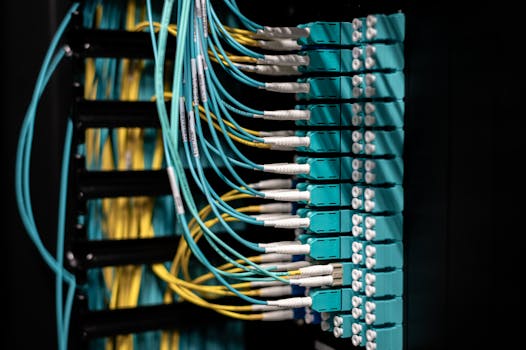
Closeup of switch in server with connectors and adapters connected to plastic device in dark room on blurred background inside Photo: Brett Sayles / Pexels
In the fast-paced world of real estate, where first impressions are paramount and time is always of the essence, the quality of your video calls directly impacts your professional image and your ability to close deals. Whether you're conducting a virtual property tour, hosting an online open house, or engaging in a critical client consultation, a glitchy, pixelated, or choppy video call can be a deal-breaker. It can convey unpreparedness, technical incompetence, and a lack of professionalism, eroding client trust before you even get to discuss the property. This comprehensive guide will equip real estate professionals with the knowledge and tools needed to dramatically improve video call quality, ensuring every virtual interaction is as smooth, clear, and impactful as an in-person meeting. The bedrock of any successful video call is a robust and reliable internet connection. Without sufficient bandwidth, even the most expensive equipment will struggle to deliver a high-quality experience. For real estate professionals, this is non-negotiable. Imagine trying to showcase the intricate details of a luxury kitchen or the expansive views from a penthouse balcony only to have the video freeze or blur. It’s frustrating for you and, more importantly, for your prospective buyer. Start by understanding your current internet speed. Websites like Speedtest.net or Fast.com offer quick, free assessments of your download and upload speeds. For high-definition video calls, a minimum of 10-25 Mbps download and 3-5 Mbps upload is recommended. However, for presenting high-resolution property visuals or conducting group virtual tours, aiming for 50-100 Mbps download and 10-20 Mbps upload is ideal. This ensures your video stream is smooth, and your audio remains crisp. Beyond raw speed, the stability of your connection is equally vital. A connection that fluctuates wildly can be more disruptive than a consistently slower one. If you're frequently experiencing drops or significant slowdowns, consider upgrading your internet plan or contacting your service provider. Furthermore, whenever possible, opt for a wired Ethernet connection over Wi-Fi. A direct cable connection eliminates interference from other devices, walls, and distance from your router, providing a more stable and faster data transfer. If Wi-Fi is your only option, ensure your router is centrally located, updated with the latest firmware, and consider a mesh Wi-Fi system for larger homes or offices to eliminate dead zones. For those on the go, a reliable 5G hotspot can be a lifesaver, but always test its performance before a critical call. Minimizing other bandwidth-intensive activities on your network during a call—like large downloads, streaming services, or other devices—can also free up valuable bandwidth, ensuring your video call gets priority. Understanding and optimizing your internet foundation is the first, and arguably most crucial, step in mastering virtual presentations and client interactions.

Elevating Your Visuals: Cameras, Lighting, and Background Aesthetics for Property Viewings

A couple consults a real estate agent in a modern office setting. Photo: Alena Darmel / Pexels
Once your internet foundation is solid, the next critical area to address is your visual presentation. In real estate, seeing is believing, and your video call quality directly influences how clients perceive properties and, by extension, you as a professional. The built-in webcam on most laptops, while convenient, often falls short in terms of resolution, low-light performance, and overall image clarity. Investing in an external webcam can make a world of difference. Look for cameras that offer at least 1080p resolution at 30 frames per second (fps), with 60fps being even better for smoother motion, especially crucial when panning across a room during a virtual tour. Brands like Logitech, Razer, and Elgato offer excellent options specifically designed for high-quality streaming and video conferencing, providing superior optics, better low-light handling, and often wider fields of view, which can be advantageous when showcasing a room. Lighting is perhaps the single most overlooked, yet most impactful, element in video call quality. Even the best camera will struggle in poor lighting. The goal is to illuminate your face evenly and professionally without creating harsh shadows or overexposure. Natural light is always preferable; position yourself facing a window, not with your back to it, which would silhouette you. If natural light is insufficient or inconsistent, supplemental lighting is essential. A simple ring light placed directly in front of you can work wonders, providing soft, even illumination that brightens your face and makes your eyes sparkle. Alternatively, two softbox lights positioned at 45-degree angles to your left and right can create a more professional three-point lighting setup. Avoid overhead lighting, which can create unflattering shadows under your eyes and nose. Experiment with the intensity and color temperature of your lights to find what looks most natural and flattering. Finally, your background sets the stage for your virtual interactions. In real estate, this is particularly important as it reflects on your brand and professionalism. A cluttered, messy, or unprofessional background can be distracting and undermine your credibility. Choose a clean, uncluttered space that projects professionalism. A simple wall, a neatly organized bookshelf, or a subtle plant can work well. For virtual property tours, ensure the property itself is impeccably staged and lit. If you're working from home, consider using virtual backgrounds sparingly, and only if they are high-quality and don't introduce distracting artifacts. If you do use a virtual background, ensure you have good lighting and a solid color behind you (like a green screen) for the best effect. Regularly assess your background from the camera's perspective to identify and rectify any potential distractions. By meticulously optimizing your camera, lighting, and background, you transform your video calls from mundane to memorable, enhancing client engagement and trust in every virtual interaction.

You may also find monkey-app.net useful.

Crystal Clear Communication: Optimizing Audio for Real Estate Client Engagement

While visuals capture attention, audio sustains engagement. In real estate, clear communication is non-negotiable. Misunderstandings due to poor audio quality can lead to frustration, missed details about a property, and ultimately, lost opportunities. Imagine trying to explain the unique features of a smart home system or negotiate complex terms over a crackling, echoing, or muffled connection. It's not just annoying; it's detrimental to your business. Therefore, prioritizing high-quality audio is paramount for any real estate professional looking to excel in virtual environments. The built-in microphone on laptops and webcams is often the weakest link in a video call setup. It picks up a lot of ambient noise, echoes, and can make your voice sound distant or tinny. Upgrading to an external microphone is one of the most impactful improvements you can make. There are several types to consider. A simple USB headset with a boom mic is an excellent entry-level option, offering good noise cancellation and keeping the microphone close to your mouth for optimal clarity. Brands like Jabra, Plantronics, and Logitech offer reliable business-grade headsets. For a more professional, polished look without a headset, a desktop USB microphone is a fantastic choice. These microphones, such as those from Blue Yeti or Rode, offer superior sound quality, often with different polar patterns (e.g., cardioid for focused pickup) to minimize background noise. If you're doing a lot of virtual tours on the go, a high-quality lavalier (lapel) microphone connected to your smartphone or camera can provide excellent audio while allowing for hands-free movement. Beyond hardware, your environment plays a significant role in audio quality. Choose a quiet space free from external noise sources like traffic, barking dogs, or household appliances. If you're conducting a virtual tour within a property, be mindful of echoes, especially in empty rooms. Using soft furnishings, rugs, or even temporary sound-absorbing panels can help dampen reverberation. Before a call, always perform a sound check. Most video conferencing platforms have a built-in audio test feature. Pay attention not only to your own voice but also to how you hear others. Ensure your microphone input levels are appropriately set – not too low that you're inaudible, and not too high that your voice distorts. Utilize noise suppression features available in platforms like Zoom or Microsoft Teams, but be aware that aggressive noise suppression can sometimes make your voice sound artificial. Finally, ensure you're using a stable internet connection, as packet loss can also manifest as choppy or distorted audio. By focusing on these audio optimizations, you ensure your message is delivered with absolute clarity, reinforcing your expertise and fostering trust with potential clients.

Advanced Tips and Common Pitfalls: Mastering Your Virtual Presence

Beyond the core elements of internet, visuals, and audio, several advanced tips can further refine your video call quality and overall virtual presence. Conversely, being aware of common pitfalls can help you avoid embarrassing or unprofessional moments that detract from your real estate expertise. **Advanced Tips for Real Estate Professionals:** * **Optimize Your Software Settings:** Most video conferencing platforms (Zoom, Google Meet, Microsoft Teams) have advanced settings. Explore options for 'HD video', 'original sound', 'background noise suppression', and 'touch up my appearance'. Understand how these features work and use them judiciously. For instance, enabling 'original sound' can be beneficial if you're showcasing the natural acoustics of a property, but ensure you have an excellent external microphone. * **Practice Your Virtual Tour Flow:** If you're leading a virtual property tour, practice the route and camera movements. Smooth transitions and a logical flow are crucial. Consider using a gimbal stabilizer for your phone or camera if you're moving around a lot, to avoid shaky footage that can cause motion sickness for viewers. * **Engage with Dual Monitors:** If possible, use two monitors. One for the video call itself, and the other for displaying property details, contracts, or client information. This allows you to reference materials without minimizing the video window, keeping you engaged and professional. * **Always Have a Backup Plan:** Technology can be unpredictable. Have a backup internet connection (e.g., a mobile hotspot) and a backup device (e.g., a fully charged phone with the conferencing app) ready in case your primary setup fails during a critical call. * **Record and Review:** Many platforms allow call recording. Review your recordings periodically to identify areas for improvement in your presentation, audio, and visual setup. This self-assessment is invaluable for continuous growth. **Common Pitfalls to Avoid:** * **Multitasking During Calls:** Clients can often tell if your attention is divided. Avoid checking emails, browsing the web, or engaging in other tasks during a video call. Give your full, undivided attention. * **Forgetting to Mute:** This is a classic. Background noises, side conversations, or even typing can be incredibly disruptive. Get into the habit of muting yourself when not speaking. * **Poor Camera Angle:** Avoid positioning your camera too low, looking up your nose, or too high, making you look small. Eye-level is generally best, creating a more natural and engaging interaction. * **Inconsistent Branding:** Ensure your virtual background (if used), profile picture, and overall presentation align with your professional real estate brand. Consistency builds trust. * **Technical Jargon Overload:** While you're becoming a tech expert, your clients aren't. Explain technical issues simply and reassure them if there's a minor hiccup. Don't dwell on technical problems; focus on solutions. By proactively implementing these advanced tips and diligently avoiding common pitfalls, real estate professionals can not only improve video call quality but also significantly elevate their overall virtual presence, fostering stronger client relationships and driving more successful outcomes in a competitive market.

Comparison

FeatureBest OptionAlternative 1Alternative 2
Internet ConnectionWired Ethernet (Fiber)High-speed Wi-Fi (Mesh)5G Mobile Hotspot
WebcamExternal 1080p/60fpsExternal 1080p/30fpsHigh-end Laptop Cam
MicrophoneUSB Desktop MicUSB Headset MicHigh-quality Lavalier
LightingRing Light + WindowTwo Softbox LightsProfessional Desk Lamp
BackgroundClean, Staged PropertyProfessional Home OfficeHigh-Quality Virtual

What Readers Say

"Following these tips completely transformed my virtual property showings. My clients consistently comment on how clear and professional my video calls are now, and I've seen a noticeable increase in engagement. Learning how to improve video call quality was a game-changer for my business."

Sarah Chen · Austin, TX

"I used to dread technical glitches during client calls. After implementing the advice on internet stability and external audio, my calls are seamless. It's made a huge difference in my confidence and my clients' perception of my professionalism."

Mark Ramirez · Miami, FL

"The section on lighting was particularly helpful. Simply adjusting my setup and adding a small ring light made my virtual open houses look so much more inviting and polished. I've had two offers come in directly from virtual tours since then."

Jessica Lee · Seattle, WA

"Great insights, especially on microphone choices. While I can't always control my internet speed in every property, optimizing my audio and camera has significantly improved the overall experience for my clients, even with occasional bandwidth issues."

David Miller · Denver, CO

"As a real estate agent specializing in luxury properties, presentation is everything. This guide provided actionable steps on how to improve video call quality, ensuring my virtual walkthroughs convey the true value and elegance of the homes I represent. Highly recommend!"

Emily White · San Francisco, CA

Frequently Asked Questions

What's the single most important factor for improving video call quality?

While many factors contribute, a stable and fast internet connection is arguably the most critical. Without sufficient bandwidth, even the best equipment will struggle to deliver a high-quality video and audio stream. Prioritize a wired Ethernet connection over Wi-Fi whenever possible for maximum stability.

My video calls are always pixelated; what's causing this?

Pixelation is almost always a sign of insufficient bandwidth or a weak internet connection. It means your connection can't transmit enough data to render a clear image. Try moving closer to your Wi-Fi router, connecting via Ethernet, closing other bandwidth-heavy applications, or upgrading your internet plan.

How can I quickly improve my lighting for a video call?

The quickest improvement is to position yourself facing a window for natural light. If that's not an option, place a desk lamp (with a soft, diffused light) directly behind your webcam, facing you. Avoid having strong light sources behind you, as this will silhouette your face.

Is investing in an expensive webcam truly necessary for real estate professionals?

While not always 'necessary,' a dedicated external webcam significantly enhances professionalism. It typically offers better resolution, low-light performance, and color accuracy than built-in laptop cameras, making virtual property tours and client meetings much more impactful and engaging. It's a worthwhile investment for serious professionals.

Should I use virtual backgrounds when showing properties?

Generally, it's best to use a real, clean, and professional background, especially when showcasing a property. Virtual backgrounds can sometimes look unprofessional, introduce artifacts, or distract from the property itself. If you must use one, ensure it's a high-quality image and your lighting is excellent to prevent a 'halo' effect.

Who should prioritize improving their video call quality in real estate?

Every real estate professional who conducts virtual showings, client consultations, team meetings, or online marketing activities should prioritize improving their video call quality. It's crucial for agents, brokers, property managers, and even administrative staff who frequently interact with clients or colleagues virtually.

Are there any security risks associated with video conferencing platforms?

While platforms are generally secure, it's important to use strong, unique passwords, enable two-factor authentication, and avoid sharing meeting links publicly. Be mindful of screen sharing sensitive information and ensure your software is always updated to the latest version to patch any vulnerabilities.

What's the future of video calls in real estate?

The future points towards more immersive experiences, including 3D virtual tours, augmented reality overlays, and potentially even VR-enabled property viewings. High-quality video calls will remain the foundation, but expect more interactive features and integration with AI to personalize client interactions and streamline the viewing process.

Elevate your real estate business by mastering your virtual presence. Implement these strategies on how to improve video call quality today and ensure every virtual interaction is clear, professional, and impactful, turning prospects into satisfied clients.

Topics: How to improve video call qualityreal estate virtual toursbest video conferencing for real estatevirtual property showing tipsreal estate tech setup
Leo List
Brampton weed
Adultwork