How to Get Pre Approved For a Mortgage: Your Ultimate Guide
how to get pre approved for a mortgage

How to Get Pre Approved For a Mortgage: Your Ultimate Guide

Secure your dream home faster and stronger by understanding the mortgage pre-approval process from start to finish.

Start Your Pre-Approval

Key Takeaways

  • ✓ Pre-approval is a conditional commitment from a lender to loan you a specific amount.
  • ✓ It requires a thorough review of your financial history, including credit and income.
  • ✓ Pre-approval strengthens your offer and shows sellers you're a serious buyer.
  • ✓ It helps you understand your budget and avoid looking at homes you can't afford.

How It Works

1
Gather Your Financial Documents

Collect pay stubs, tax returns, bank statements, and other financial records. This preparation streamlines the application process significantly.

2
Choose a Lender and Apply

Research and select a reputable mortgage lender or broker. Submit your application, providing all requested financial information honestly and accurately.

3
Undergo Financial Review

The lender will assess your credit score, income, debt-to-income ratio, and assets. They will determine your eligibility and the maximum loan amount.

4
Receive Your Pre-Approval Letter

Upon approval, you'll get a formal letter stating the loan amount, interest rate, and terms. This letter is crucial for making competitive offers on homes.

Understanding Mortgage Pre-Approval vs. Pre-Qualification

Mortgage broker and client discussing loan application with documents on table. Photo: RDNE Stock project / Pexels
Embarking on the journey of homeownership often begins with understanding your borrowing power. Two terms frequently surface in these initial stages: mortgage pre-qualification and mortgage pre-approval. While often used interchangeably, they represent distinct levels of commitment and provide vastly different benefits to a potential homebuyer. Understanding this crucial distinction is the first step in learning how to get pre approved for a mortgage effectively. Mortgage pre-qualification is typically a much more informal process. It involves a brief conversation with a lender or an online questionnaire where you provide basic financial information, such as your income, existing debts, and assets. Based on this self-reported data, the lender gives you an estimate of how much you might be able to borrow. Importantly, this process usually doesn't involve a credit check, and the information is not verified. Think of pre-qualification as a rough estimate, a starting point to gauge your potential affordability. It's helpful for setting initial expectations but carries little weight with sellers or real estate agents. On the other hand, mortgage pre-approval is a much more rigorous and valuable process. When you seek pre-approval, the lender conducts a thorough review of your financial health. This includes pulling your credit report, verifying your income through pay stubs and tax returns, and examining your assets via bank statements. The lender essentially underwrites your loan application, short of an actual property. If approved, you receive a formal pre-approval letter stating the exact loan amount you qualify for, the estimated interest rate, and the loan terms. This letter is a conditional commitment from the lender, meaning they are ready to lend you money, pending a satisfactory appraisal of the property you choose and a final review of your financial situation. This distinction is paramount: pre-approval offers a concrete figure and demonstrates to sellers that you are a serious, qualified buyer. It significantly strengthens your offer in a competitive market and streamlines the subsequent steps of the home-buying process. Without a pre-approval, many real estate agents won't even show you homes, and sellers will be hesitant to consider your offer.

The Essential Documents You'll Need to Gather

Top view of tax documents organized with colorful sticky notes on a marble desk. Photo: Nataliya Vaitkevich / Pexels
When preparing to learn how to get pre approved for a mortgage, gathering the necessary documentation is perhaps the most critical preparatory step. A well-organized collection of financial records will not only expedite the pre-approval process but also demonstrate your readiness and seriousness to your chosen lender. Lenders require a comprehensive view of your financial life to assess your creditworthiness, income stability, and ability to repay a loan. Being prepared can prevent delays and make the entire experience smoother. First and foremost, you will need proof of income. This typically includes your W-2 forms from the past two years, along with your most recent pay stubs covering at least the last 30 days. If you are self-employed, prepare to provide your federal income tax returns for the past two years, along with profit and loss statements. Lenders want to see a consistent and reliable income stream. Next, be ready to provide statements for all your assets. This means bank statements (checking and savings accounts) for the past two to three months, as well as statements for any investment accounts (401k, IRA, brokerage accounts) you may have. These documents prove you have sufficient funds for a down payment and closing costs, and also demonstrate a financial cushion. Your credit history will also be a major component of the pre-approval process. While the lender will pull your credit report, it's a good idea to review your own credit report beforehand to identify and dispute any inaccuracies. You'll also need to provide identification, usually a government-issued photo ID like a driver's license, and your Social Security number. Beyond these core documents, depending on your individual situation, lenders might request additional information. This could include explanations for any significant gaps in employment, documentation for any other real estate owned, or details about any large deposits or withdrawals in your bank accounts. Having everything organized and readily available will not only impress your lender but also reduce stress for you, ensuring a more efficient path to getting pre-approved for your mortgage.

Navigating the Pre-Approval Application Process
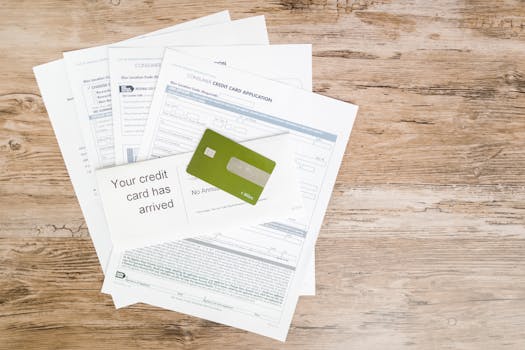
Top view of credit card and application documents on wooden surface. Photo: RDNE Stock project / Pexels
Once you've gathered all your essential documents, the next step in learning how to get pre approved for a mortgage is to actually apply. This involves selecting a lender and submitting your information for their review. While the thought of sharing your detailed financial history can be daunting, understanding the process can alleviate much of the anxiety and ensure you approach it strategically. Start by researching and selecting a reputable mortgage lender or broker. You can get recommendations from friends, family, or your real estate agent. Consider comparing interest rates, fees, and customer service reviews from at least three different lenders. While a pre-approval doesn't lock you into a specific lender, it's wise to choose one you feel comfortable working with. Once you've made your selection, you'll typically fill out a mortgage application, either online or in person. This application will ask for personal details, employment history, income, assets, and liabilities. Be prepared to provide accurate and complete information, as any discrepancies can cause delays or even rejection. The lender will then initiate the underwriting process for your pre-approval. This involves several key steps. First, they will pull your credit report. This is a 'hard inquiry' and will temporarily impact your credit score by a few points, but multiple inquiries within a short period (typically 14-45 days, depending on the scoring model) for the same type of loan are usually treated as a single inquiry, so don't hesitate to shop around. Next, they will verify your income and employment by contacting your employer and reviewing your pay stubs and tax returns. They will also verify your assets by reviewing your bank and investment statements to ensure you have the funds for a down payment, closing costs, and sufficient reserves. Finally, they will calculate your debt-to-income (DTI) ratio, which is a critical factor in determining your borrowing capacity. This ratio compares your total monthly debt payments to your gross monthly income. A lower DTI generally indicates less risk to the lender. Once all these factors are assessed, the lender will issue your pre-approval letter, detailing the maximum loan amount, estimated interest rate, and any conditions that must be met before final loan approval. This letter is your golden ticket for house hunting.

Tips for a Smooth Pre-Approval and Common Mistakes to Avoid

A neatly organized to-do list on a clipboard next to a laptop and pen, conveying productivity. Photo: RDNE Stock project / Pexels
Securing a mortgage pre-approval is a significant milestone in your home-buying journey. To ensure this process is as smooth and successful as possible, it's crucial to follow best practices and steer clear of common pitfalls. Being proactive and informed can make a world of difference when you're working to understand how to get pre approved for a mortgage. **Tips for a Smooth Pre-Approval:** * **Improve Your Credit Score:** Before applying, check your credit report for errors and work on paying down high-interest debt. A higher credit score can qualify you for better interest rates. * **Reduce Your Debt-to-Income Ratio:** Pay off outstanding loans or credit card balances to lower your DTI. This signals greater financial stability to lenders. * **Save for a Down Payment and Reserves:** Lenders look favorably upon borrowers with substantial savings. Aim for at least 20% down payment if possible, and ensure you have additional funds for closing costs and a few months of mortgage payments as reserves. * **Maintain Stable Employment:** Lenders prefer to see a consistent employment history, ideally two years or more with the same employer or in the same industry. * **Organize Your Documents:** As mentioned, having all your financial paperwork neatly organized and readily accessible will save time and prevent frustration during the application process. * **Communicate Clearly with Your Lender:** Be honest and transparent about your financial situation. Ask questions if anything is unclear. **Common Mistakes to Avoid:** * **Making Major Purchases:** Do not buy a new car, furniture, or open new credit cards after applying for pre-approval. These actions can significantly alter your credit profile and debt-to-income ratio, potentially jeopardizing your pre-approval. * **Changing Jobs:** A sudden job change, especially one with a lower salary or in a different industry, can be a red flag for lenders. Try to maintain employment stability until after your home purchase. * **Closing Credit Accounts:** While it might seem counterintuitive, closing old credit card accounts can sometimes hurt your credit score by reducing your available credit and shortening your credit history. * **Ignoring Your Credit Report:** Failing to review your credit report for errors before applying can lead to unexpected denials or less favorable loan terms. * **Applying with Too Many Lenders at Once:** While comparing offers is good, applying with an excessive number of lenders in a short period can lower your credit score due to multiple hard inquiries. * **Misrepresenting Information:** Providing inaccurate or misleading information on your application can lead to serious consequences, including legal issues and loan denial. Always be truthful. By following these tips and avoiding these common mistakes, you'll significantly increase your chances of a successful and stress-free mortgage pre-approval experience, bringing you closer to owning your dream home.

Comparison

FeatureMortgage Pre-ApprovalMortgage Pre-QualificationDirect Application (No Pre-Approval)
Lender VerificationThorough financial reviewSelf-reported informationThorough financial review (later stage)
Credit CheckHard inquirySoft or no inquiryHard inquiry (later stage)
Seller PerceptionStrong, serious buyerWeak, uncertain buyerUnknown, high risk
Offer Strength
Budget ClarityPrecise loan amountEstimate onlyUncertain, risky
Time SavingsStreamlines home searchMinimal impactPotentially wasted time on unsuitable homes
Validity PeriodTypically 60-90 daysNo formal validityN/A

What Readers Say

"Learning how to get pre approved for a mortgage through this guide was a game-changer. I felt so prepared and confident approaching lenders. It really streamlined the whole process for me."

Sarah J. · Austin, TX

"The detailed breakdown of documents needed for pre-approval saved me so much time. I had everything ready, and my lender was impressed. Highly recommend for anyone buying a home!"

Mark D. · Miami, FL

"Thanks to understanding the pre-approval process, I was able to put in a strong offer on my dream home and it was accepted! The clarity this guide provided was invaluable."

Emily R. · Denver, CO

"Very comprehensive guide on how to get pre approved for a mortgage. While some parts felt a bit overwhelming, the clarity on pre-qualification vs. pre-approval was particularly helpful and made me feel much more informed."

David L. · Seattle, WA

"As a first-time homebuyer, I had no idea where to start. This article broke down how to get pre approved for a mortgage into simple, actionable steps. I feel much more confident about my home search now."

Jessica M. · Chicago, IL

Frequently Asked Questions

What is the primary benefit of getting pre-approved for a mortgage?

The primary benefit of mortgage pre-approval is that it provides a clear understanding of how much you can afford, strengthening your offer to sellers. It shows you are a serious, qualified buyer, making your offer more appealing in a competitive market and potentially leading to a quicker acceptance.

Will getting pre-approved hurt my credit score?

Yes, a mortgage pre-approval involves a 'hard inquiry' on your credit report, which can temporarily lower your credit score by a few points. However, credit bureaus typically treat multiple inquiries for the same type of loan within a specific shopping window (usually 14-45 days) as a single inquiry, so it's advisable to compare lenders within that timeframe.

How long does a mortgage pre-approval last?

A mortgage pre-approval typically lasts for 60 to 90 days. If you haven't found a home or closed on one within that period, you will need to re-apply and provide updated financial documentation for the lender to re-verify your financial situation.

Is there a fee to get pre-approved for a mortgage?

Generally, there is no fee to get pre-approved for a mortgage. Lenders typically offer this service free of charge as part of their customer acquisition process. However, always confirm with your specific lender to avoid any unexpected costs.

Can I get pre-approved with poor credit?

While it's more challenging, getting pre-approved with poor credit is sometimes possible, especially for FHA or VA loans which have more flexible credit requirements. However, you might face higher interest rates or require a larger down payment. It's best to consult with a lender to understand your specific options.

Who should get pre-approved for a mortgage?

Anyone serious about buying a home should get pre-approved for a mortgage. It's an essential step for first-time homebuyers to understand their budget and for experienced buyers to demonstrate their financial readiness to sellers and real estate agents.

What happens if my financial situation changes after pre-approval?

If your financial situation changes significantly after pre-approval (e.g., job loss, new major debt, large deposit/withdrawal), you must inform your lender immediately. These changes can affect your eligibility or the terms of your pre-approval, and failing to disclose them can jeopardize your final loan approval.

How does pre-approval impact my home search?

Pre-approval significantly impacts your home search by defining your budget, allowing you to focus on homes you can genuinely afford. It also gives you leverage in negotiations, as sellers are more likely to take an offer from a pre-approved buyer seriously, potentially leading to a faster and smoother closing process.

Mastering how to get pre approved for a mortgage is your strongest move in the home-buying process. By following these steps, you'll not only understand your true buying power but also position yourself as a confident and competitive buyer in today's real estate market. Don't wait – take the first step towards your dream home today.

Topics: how to get pre approved for a mortgagemortgage pre-approval processmortgage pre-qualificationhome loan approvalbuying a home
Leo List

DK Escorts LU Escorts AT Escorts SE Escorts FI Escorts CH Escorts DE Escorts HR Escorts IE Escorts GR Escorts CZ Escorts NO Escorts BE Escorts FR Escorts SI Escorts IL Escorts NL Escorts PL Escorts HU Escorts ES Escorts IT Escorts PT Escorts SK Escorts RO Escorts ZA Escorts UY Escorts US Escorts UK Escorts NZ Escorts AU Escorts
Brampton weed
Adultwork EstrelaBet Vai de Bet R7 Bet Betão Galera Bet Rainbet Bet9ja Shop SportyBet BetKing Sisal Loto Foot Hollywoodbets YesPlay Odibets RushBet Jugabet BetWarrior BetCity MSport betPawa Fortebet