✓ Becoming a real estate agent in the US requires a state-issued license, varying by state.
✓ Pre-licensing education, typically 60-180 hours, is mandatory before taking the state exam.
✓ Most agents start by affiliating with an established brokerage to gain experience and mentorship.
✓ Income is commission-based, with significant earning potential tied to effort and market conditions.
How It Works
1
Complete Pre-Licensing Education
Enroll in an approved real estate school to fulfill your state's required classroom hours. This foundational knowledge covers laws, ethics, and practices.
2
Pass the State Licensing Exam
After completing your education, apply for and pass your state's real estate licensing examination. This exam tests your understanding of both national and state-specific real estate principles.
3
Find a Sponsoring Brokerage
Once licensed, you must affiliate with a licensed real estate broker to legally practice. Your broker will provide supervision, training, and office resources.
4
Launch Your Real Estate Career
Begin building your client base, marketing your services, and honing your skills in property transactions. Continuous learning and networking are crucial for long-term success.
Understanding the Real Estate Agent Journey in the US
Photo: Ann H / Pexels
Embarking on a career as a real estate agent in the United States is an exciting prospect, offering flexibility, financial independence, and the satisfaction of helping people achieve their homeownership dreams. However, it's crucial to understand that this isn't a 'get rich quick' scheme. It requires dedication, continuous learning, and a solid understanding of market dynamics. The journey begins with meeting specific state-mandated requirements, which vary significantly from one state to another, making it essential to research the rules of the state where you intend to practice. Generally, you'll need to be at least 18 or 19 years old (depending on the state), have a high school diploma or GED, and be a legal resident of the U.S. or a lawfully admitted alien. Beyond these basic prerequisites, the path involves several distinct stages, each designed to ensure that real estate professionals are competent, ethical, and well-versed in the complexities of property transactions.
The initial phase is often the most structured: pre-licensing education. This coursework covers a broad spectrum of topics, from real estate law and contracts to financing, agency relationships, and property management. The number of required hours can range from as little as 40 in some states to over 180 in others. These courses can be taken online or in person, offering flexibility for aspiring agents with diverse schedules. The goal of this education is not just to prepare you for an exam, but to equip you with the fundamental knowledge necessary to protect clients and navigate the legal landscape of real estate. Many programs also include practical elements, such as how to conduct comparative market analyses (CMAs) or understanding disclosure requirements. Choosing an accredited and reputable real estate school is paramount, as the quality of your initial education will lay the groundwork for your entire career.
Following the completion of your pre-licensing education, the next significant hurdle is passing the state real estate licensing examination. This exam is typically divided into two parts: a national portion covering general real estate principles and practices, and a state-specific portion focusing on local laws, regulations, and forms. The exams are challenging and require thorough preparation. Many real estate schools offer exam prep courses, practice tests, and study guides to help candidates succeed. Passing this exam is a testament to your understanding of the foundational knowledge required to operate as a licensed professional. It's a critical step that validates your readiness to handle the responsibilities of a real estate agent.
After successfully passing the exam, you'll apply for your license. This often involves a background check, including fingerprinting, to ensure you meet the state's moral character requirements. Any past criminal convictions, especially those related to fraud or dishonesty, could jeopardize your application. Once your license is issued, you're not quite ready to practice independently. In most states, new agents must affiliate with an established real estate brokerage. This affiliation provides essential oversight, mentorship, and access to the Multiple Listing Service (MLS), which is the lifeblood of property listings. This initial period with a broker is invaluable for gaining practical experience, learning the ropes, and building your professional network. It’s also where you’ll start to develop your unique approach to client service and sales strategies. For more insights into the broader real estate industry, consider exploring resources on the real estate market.
Navigating Pre-Licensing Education and State Exams
Photo: Andy Barbour / Pexels
The cornerstone of becoming a licensed real estate agent in the US is the completion of pre-licensing education. This isn't just a formality; it's a critical investment in your future career. The content covered is extensive, encompassing federal and state real estate laws, property ownership, contracts, agency law, valuation, financing, and ethical practices. The number of hours required varies significantly by state, typically ranging from 40 hours in states like Florida to over 180 hours in Texas. Researching your specific state's requirements is the very first step you should take. Many reputable real estate schools offer both in-person and online courses, allowing you to choose a learning format that best suits your schedule and learning style. Online courses provide unparalleled flexibility, which can be ideal for those balancing existing work or family commitments. However, in-person classes can offer immediate interaction with instructors and peers, fostering a collaborative learning environment.
Choosing the right real estate school is paramount. Look for institutions that are approved by your state's real estate commission, have a strong track record of student success, and offer comprehensive curriculum materials. Reading reviews from former students can provide valuable insights into the quality of instruction and support provided. Some schools even offer guarantees for passing the state exam, indicating their confidence in their teaching methods. Beyond the basic curriculum, consider schools that offer additional resources, such as exam preparation workshops, practice tests, and access to industry experts. These supplementary materials can significantly boost your chances of passing the notoriously challenging state licensing exam on your first attempt.
Once you’ve completed your pre-licensing education, the next major hurdle is the state real estate licensing exam. This exam is a comprehensive assessment of your knowledge across various real estate topics. It typically consists of two parts: a national portion, which covers general real estate principles applicable across the country, and a state-specific portion, which delves into the unique laws, regulations, and practices of your particular state. The national portion might cover topics like property ownership, contracts, agency, and finance, while the state portion will test your understanding of local statutes, disclosures, and licensing requirements. Passing both sections is required to obtain your license.
Preparation for the state exam should be thorough and strategic. Don't underestimate its difficulty; many candidates fail on their first attempt. Utilize all available study resources: review your course materials diligently, take numerous practice tests, and consider enrolling in a dedicated exam prep course. These courses often highlight common exam questions and provide strategies for tackling different question formats. Familiarize yourself with the exam structure, time limits, and scoring. Understand that the goal is not just to memorize facts, but to comprehend the underlying principles and apply them to various scenarios. Persistence and a disciplined study routine are key to success. Remember, passing the exam is not just about getting a license; it's about proving you have the foundational knowledge to protect your clients and navigate complex transactions responsibly.
Launching Your Career: Brokerage Affiliation and Initial Success
Photo: RDNE Stock project / Pexels
After successfully passing your state's real estate licensing exam and receiving your license, the next crucial step is to affiliate with a licensed real estate brokerage. This isn't an option; it's a requirement in most U.S. states. Operating independently as a newly licensed agent is generally not permitted. The brokerage acts as your sponsor, providing the legal framework, supervision, and resources necessary for you to conduct real estate transactions legally and ethically. Choosing the right brokerage is one of the most significant decisions you'll make in your early career, as it can profoundly impact your growth, learning, and income potential.
When evaluating brokerages, consider several factors. First, look at their training and mentorship programs. As a new agent, you'll need significant guidance on everything from lead generation and client management to contract negotiation and closing procedures. A brokerage with a robust training program and experienced mentors can accelerate your learning curve and help you avoid common pitfalls. Second, assess the brokerage's culture and support system. Do they foster a collaborative environment, or is it highly competitive? What kind of administrative and marketing support do they offer? Access to cutting-edge technology, CRM systems, and marketing materials can give you a significant edge. Third, understand their commission splits and fees. While a higher split might seem appealing, it's often balanced by fewer resources or higher desk fees. It's essential to find a balance that aligns with your financial goals and the level of support you need.
Once you've joined a brokerage, your focus shifts to building your business. This involves a multi-faceted approach. Networking is paramount; attend local community events, join business associations, and leverage your existing personal and professional connections. Your sphere of influence will likely be your first source of leads. Developing a strong personal brand and marketing strategy is also crucial. This includes creating a professional online presence, utilizing social media, and developing effective communication skills. Learning how to generate leads, qualify prospects, and nurture relationships will be ongoing processes. Your broker and fellow agents can provide invaluable advice and strategies in these areas.
Client service should always be at the forefront of your efforts. The real estate business is built on trust and reputation. Providing exceptional service, being responsive, and demonstrating expertise will lead to repeat business and referrals, which are the lifeblood of a successful real estate career. Continuous education extends beyond your initial licensing. Many states require continuing education (CE) hours to maintain your license, but beyond the requirements, staying updated on market trends, new technologies, and evolving regulations is vital for long-term success. The real estate landscape is constantly changing, and adaptability is a key trait for thriving in this dynamic industry. Furthermore, consider specializing in a niche, such as luxury homes, commercial real estate, or specific neighborhoods, to carve out your unique market position. For broader insights into the industry's operations, explore the role of real estate brokerages.
Essential Tips for New Real Estate Agents & Common Pitfalls to Avoid
Photo: Kindel Media / Pexels
Starting a career as a real estate agent is exhilarating, but it comes with its own set of challenges. To ensure a smoother transition and foster early success, new agents should adopt certain strategies and be aware of common pitfalls. Here are some essential tips:
* **Embrace Mentorship:** Seek out an experienced agent within your brokerage who is willing to mentor you. Their guidance can be invaluable for navigating complex transactions, understanding local market nuances, and developing effective sales techniques. A good mentor can provide practical advice that textbooks can't.
* **Build Your Network Relentlessly:** Your network is your net worth in real estate. Attend open houses, industry events, and local community gatherings. Connect with lenders, inspectors, contractors, and other professionals. Every connection is a potential lead or referral source.
* **Master Your Local Market:** Become an expert in your chosen geographic area. Understand property values, school districts, amenities, zoning laws, and future development plans. Clients rely on your local expertise to make informed decisions.
* **Develop Strong Communication Skills:** Real estate is all about communication. Practice active listening, clear articulation, and persuasive negotiation. Be prompt in responding to inquiries and always keep clients informed throughout the process.
* **Invest in Professional Development:** Beyond required continuing education, invest in courses on marketing, social media, negotiation, and specific real estate niches. The more you learn, the more value you can offer your clients.
* **Manage Your Finances Wisely:** Real estate income is commission-based and often inconsistent, especially in the beginning. Have sufficient savings to cover living expenses for at least 6-12 months. Budget for marketing, technology, and professional fees.
* **Leverage Technology:** Utilize CRM software for lead management, social media for branding, and virtual tour tools for property showcasing. Technology can significantly enhance your efficiency and reach.
**Common Pitfalls to Avoid:**
* **Lack of Persistence:** The initial months can be slow and discouraging. Don't give up too soon. Success in real estate often comes to those who persevere through the early challenges.
* **Underestimating Expenses:** Beyond licensing fees, agents face costs for MLS access, association dues, marketing, and office supplies. Factor these into your budget.
* **Ignoring Marketing:** Your license doesn't guarantee clients. You need to actively market yourself and your services. A passive approach will lead to a stagnant business.
* **Poor Time Management:** Real estate offers flexibility, which can be a double-edged sword. Without discipline, it's easy to waste time. Create a schedule and stick to it.
* **Lack of Specialization:** Trying to be all things to all people can dilute your efforts. Consider specializing in a particular property type, neighborhood, or client demographic to become a recognized expert.
* **Neglecting Client Relationships:** Your past clients are your best source of future business and referrals. Stay in touch, provide value, and nurture those relationships long after the sale closes.
* **Failing to Stay Informed:** The real estate market, laws, and technologies are constantly evolving. Failing to keep up can lead to missed opportunities or even legal issues.
Comparison
Feature
Real Estate Agent
Real Estate Broker
Referral Agent
Licensing Requirements
State Pre-licensing Education, Exam
Agent License + Experience + Broker Exam
Limited Education, Referral Focus
Ability to Work Independently
No (must be sponsored by Broker)
Yes (can open own brokerage)
No (must be sponsored by Broker)
Scope of Practice
Represent Buyers/Sellers, List Properties
Supervise Agents, Manage Brokerage, Transactions
Only Refer Clients, Earn Referral Fees
Income Structure
Commission Split with Broker
Commission from own sales + Agent Splits
Flat Referral Fee
Required Experience
None for entry-level
2-3+ years as Agent (varies by state)
None for entry-level
What Readers Say
★★★★★
"This guide was incredibly thorough in explaining how to become a real estate agent in Texas. It broke down the pre-licensing steps and even gave great advice on finding a brokerage. I feel much more prepared now!"
Sarah J. · Austin, TX
★★★★★
"As someone considering a career change, this article provided a realistic roadmap. The section on common pitfalls was particularly insightful, helping me anticipate challenges and plan accordingly. Highly recommend!"
Mark D. · Orlando, FL
★★★★★
"Following the advice here on choosing a brokerage and networking, I managed to secure my first two listings within three months of getting licensed. This article really helped me launch my career effectively."
Jessica L. · Denver, CO
★★★★★
"While very helpful, I would have liked a bit more detail on the financial investment required beyond just licensing. However, the tips for new agents were excellent and practical for getting started."
David P. · Seattle, WA
★★★★★
"The comparison table was a brilliant addition, clarifying the differences between agents and brokers. It helped me understand my long-term career progression within real estate. A truly comprehensive resource!"
Emily R. · Phoenix, AZ
Frequently Asked Questions
What are the basic eligibility requirements to become a real estate agent in the US?
Generally, you must be at least 18 or 19 years old (depending on the state), have a high school diploma or GED, and be a legal resident of the U.S. or a lawfully admitted alien. You'll also need to pass a background check.
Is it difficult to pass the real estate licensing exam?
The real estate licensing exam is challenging and requires thorough preparation. Many candidates do not pass on their first attempt. However, with dedicated study, utilizing practice tests, and potentially enrolling in exam prep courses, success is highly achievable.
How long does it typically take to become a licensed real estate agent?
The timeline varies by state and individual effort. Pre-licensing education can take anywhere from a few weeks to several months. Add time for exam preparation, scheduling the exam, and license application processing, and the entire process typically ranges from 2 to 6 months.
What is the average cost to become a real estate agent?
Costs typically range from $600 to $1,500, covering pre-licensing courses ($200-$600), exam fees ($50-$200), background checks ($25-$75), and initial license application fees ($50-$300). Additional costs include association dues and MLS access.
Do I need a college degree to become a real estate agent?
No, a college degree is generally not required to become a real estate agent. The primary educational requirement is the completion of state-mandated pre-licensing courses and passing the state licensing exam.
Who should consider a career as a real estate agent?
Individuals who are self-motivated, enjoy working with people, possess strong communication and negotiation skills, and are comfortable with a commission-based income structure are well-suited for a career as a real estate agent. It's ideal for those seeking flexibility and entrepreneurial opportunities.
What are the risks associated with a real estate career?
The primary risks include inconsistent income, especially in the early stages, high competition, and the significant time commitment required. There's also the risk of legal liabilities if not adhering to ethical practices and state laws, emphasizing the importance of diligence and continuous learning.
How is technology impacting the real estate agent's role?
Technology is transforming the real estate industry by providing agents with advanced tools for lead generation, virtual showings, data analysis, and client communication. While some fear automation, technology generally enhances an agent's efficiency and ability to serve clients, making human expertise even more valuable for complex transactions.
Ready to take the leap and discover how to become a real estate agent? This comprehensive guide provides the foundational knowledge you need. Embrace the journey, commit to continuous learning, and prepare for a rewarding career helping others achieve their property dreams.
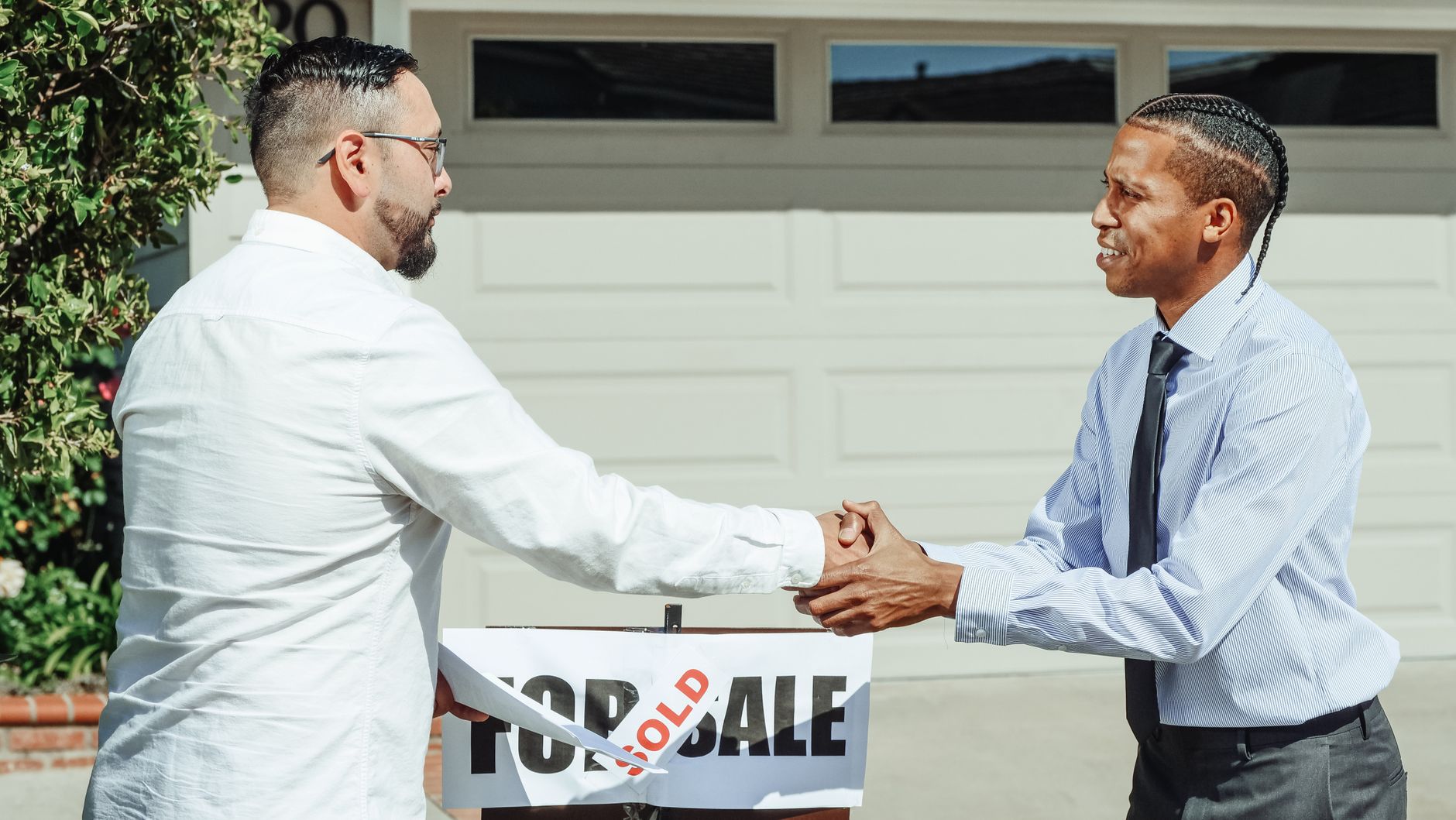
 Photo: Ann H / Pexels
 Photo: Andy Barbour / Pexels
 Photo: RDNE Stock project / Pexels
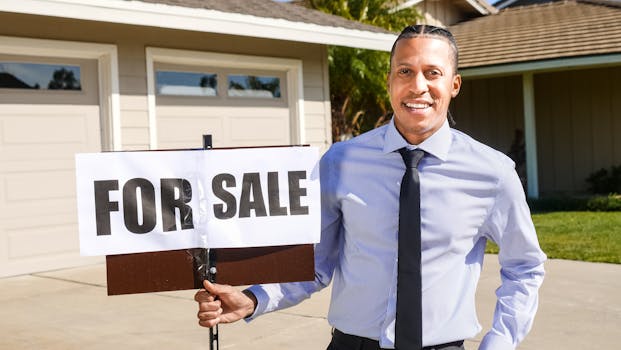 Photo: Kindel Media / Pexels