Unlock Value: Foreclosed Homes for Sale in Georgia
foreclosed homes for sale in georgia

Unlock Value: Foreclosed Homes for Sale in Georgia

Explore a vast selection of discounted properties, from fixer-uppers to move-in ready homes, across the Peach State.

Find Your Deal Now

Key Takeaways

  • ✓ Foreclosures can offer significant savings compared to traditional listings.
  • ✓ Georgia's diverse real estate market includes urban, suburban, and rural foreclosures.
  • ✓ Purchasing a foreclosure often involves unique financing and closing procedures.
  • ✓ Due diligence is paramount when considering a foreclosed property.

How It Works

1
Understand Foreclosure Types

Familiarize yourself with different foreclosure stages like pre-foreclosure, auction, and bank-owned (REO) properties. Each type presents distinct opportunities and risks.

2
Secure Financing & Representation

Pre-approval for financing is crucial, especially for REO properties. Partner with a real estate agent experienced in foreclosures to navigate the complexities.

3
Search & Evaluate Properties

Utilize specialized platforms and agent resources to find foreclosed homes. Conduct thorough inspections and comparative market analyses to assess true value and potential repair costs.

4
Submit Offer & Close

Prepare a competitive offer, understanding that banks often have specific processes. Be ready for a potentially longer or more stringent closing process compared to conventional sales.

Understanding the Market for Foreclosed Homes in Georgia

A vintage wooden window on a weathered red wall, showcasing rustic charm and decay. Photo: Vincent Delsuc / Pexels
The real estate landscape in Georgia is dynamic, and understanding the nuances of foreclosed homes for sale in Georgia is key to making a smart investment. Foreclosures, by their very nature, represent properties where the previous owner defaulted on their mortgage, leading the lender to reclaim the property. This often translates into a situation where the bank, now the owner, is motivated to sell quickly to recoup their losses, presenting a unique opportunity for buyers to acquire properties at below-market value. Georgia, with its diverse geography ranging from the bustling metropolis of Atlanta to the serene coastal regions and picturesque mountains, offers a wide array of foreclosed properties. These can include single-family homes, townhouses, condominiums, and even multi-unit dwellings. The type of property and its location will significantly influence its potential value and the level of competition you might face. It's important to distinguish between the various stages of foreclosure: * **Pre-foreclosure:** This is when a homeowner has defaulted on their mortgage but the property has not yet been repossessed. Buyers can sometimes negotiate directly with the homeowner to take over the loan or purchase the home via a short sale. This stage often requires quick action and a solid understanding of the homeowner's financial distress. * **Foreclosure Auction:** If a property doesn't sell during pre-foreclosure, it typically goes to a public auction, usually held at the county courthouse. These auctions are cash-only affairs, and buyers often cannot inspect the property beforehand. While they can yield incredible deals, they also carry the highest risk due to the lack of inspection and potential for hidden issues like liens or damage. * **Bank-Owned (REO) Properties:** Real Estate Owned (REO) properties are homes that have gone through the auction process and failed to sell. The bank then takes ownership. These are often the most accessible type of foreclosure for the average buyer, as banks are motivated sellers and typically allow inspections, offer clear titles, and sometimes even provide financing incentives. Each of these stages presents different levels of risk and reward. For most individual buyers looking for foreclosed homes for sale in Georgia, REO properties are the most straightforward and safest entry point. They offer the closest experience to a traditional home purchase, albeit with a bank as the seller. Understanding these distinctions is the first step in navigating the foreclosure market successfully and identifying the best opportunities for your specific needs, whether you're an investor seeking a high-return flip or a first-time homebuyer on a budget. The potential for savings can be substantial, but so can the complexities. For more general insights into the real estate market, consider exploring our resources on understanding real estate trends.

Navigating the Purchase Process for Georgia Foreclosures

A real estate agent holding a home for sale sign and clipboard outside a property. Photo: Thirdman / Pexels
Purchasing foreclosed homes for sale in Georgia requires a different approach than buying a traditional property. The process can be more involved, demanding patience, thorough due diligence, and often, a proactive stance. The first crucial step, regardless of the foreclosure stage you're targeting, is to secure your financing. Lenders may have specific requirements for foreclosed properties, especially if they are in disrepair. Getting pre-approved for a mortgage early on not only clarifies your budget but also signals to sellers (especially banks) that you are a serious and qualified buyer, which can be a significant advantage in a competitive market. Next, assembling your team is paramount. A real estate agent with specific experience in foreclosures in Georgia can be an invaluable asset. These agents understand the unique contractual obligations, negotiation tactics, and timelines involved with bank-owned properties or short sales. They can help you identify suitable listings, navigate bidding wars, and understand the intricacies of different county foreclosure processes. An experienced agent can also connect you with other professionals, such as home inspectors and real estate attorneys, who are familiar with foreclosure-specific issues. When you identify a property of interest, thorough research and inspection become critical. Unlike traditional sales, foreclosures are almost always sold "as-is." This means the seller (the bank) will not make any repairs, and you are responsible for assessing the condition of the property yourself. A comprehensive home inspection is non-negotiable. It can uncover hidden damages, structural issues, or code violations that could significantly impact your budget. Additionally, a title search is essential to ensure there are no outstanding liens, second mortgages, or other encumbrances that could transfer to you as the new owner. While banks typically clear titles for REO properties, it's always wise to verify. Submitting an offer on a foreclosed property also differs. Banks often use their own addendums and contracts, which can be lengthy and heavily weighted in their favor. Your agent will help you understand these terms. Be prepared for a potentially longer negotiation period and stricter timelines for inspections and closing. Banks are large institutions, and their decision-making processes can be slower than those of individual sellers. Patience and persistence are key to successfully closing on foreclosed homes for sale in Georgia. Understanding these steps will empower you to approach the foreclosure market with confidence and increase your chances of securing a valuable asset.

Identifying Opportunities and Avoiding Pitfalls with REO Properties
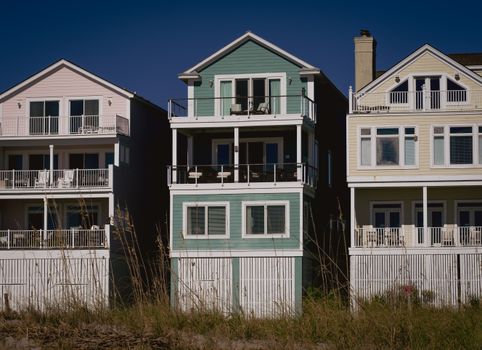
Sunny day view of colorful coastal homes with wooden siding and balconies, perfect for summer living. Photo: Chris F / Pexels
Foreclosed homes for sale in Georgia, particularly REO (Real Estate Owned) properties, represent a significant segment of the distressed property market that can offer excellent opportunities for both investors and owner-occupants. REO properties are those that have completed the foreclosure process and are now directly owned by the lending institution. This direct ownership simplifies the purchase process considerably compared to pre-foreclosures or auction properties, making them more accessible to a broader range of buyers. The primary advantage of REO properties is that banks, unlike individual homeowners, are not emotionally attached to the property. Their main goal is to liquidate the asset as efficiently as possible to recover their losses. This often translates into competitive pricing and a willingness to negotiate, particularly if a property has been on the market for an extended period. Banks also typically provide a clear title, meaning they will clear any existing liens or encumbrances before the sale, which significantly reduces risk for the buyer. Furthermore, unlike auction properties, buyers are generally allowed to conduct thorough inspections of REO homes, providing peace of mind regarding the property's condition. However, even with these advantages, buying REO foreclosed homes for sale in Georgia comes with its own set of potential pitfalls. The "as-is" nature of these sales means that while you can inspect, the bank will not pay for or undertake any repairs. You must factor in potential renovation costs into your budget. Properties may have been vacant for some time, leading to neglect, deferred maintenance, or even vandalism. It's not uncommon to find homes with missing appliances, damaged fixtures, or overgrown landscaping. Utilities might be turned off, making it challenging to test systems like HVAC, plumbing, and electrical during an inspection. Your inspector might need to work with temporary power or water setups, or you might need to budget for reactivating utilities for inspection purposes. Another consideration is the competitive nature of the REO market, especially in desirable areas of Georgia. Well-priced REO properties, particularly those requiring minimal repairs, can attract multiple offers. Being pre-approved for financing and having a responsive real estate agent can give you an edge. Additionally, banks often have strict contractual addendums that can override standard state real estate contracts. These addendums often favor the bank, with clauses that limit their liability, specify tight closing timelines, and sometimes even require the buyer to pay for certain closing costs that would typically be split. Reviewing these documents meticulously with your agent and a real estate attorney is crucial to fully understand your obligations and protect your interests. For further reading on property types, check out our guide on different types of real estate investments. Finally, while REO properties offer a clearer path to ownership than other foreclosure types, the process can still take longer than a traditional sale due to the corporate nature of the seller. Be prepared for potential delays in communication and decision-making from the bank's asset management department. By understanding these opportunities and being aware of the potential challenges, you can approach the REO market in Georgia strategically, maximizing your chances of finding a valuable property that meets your investment or living needs.

Essential Tips for Buying Foreclosed Homes in Georgia
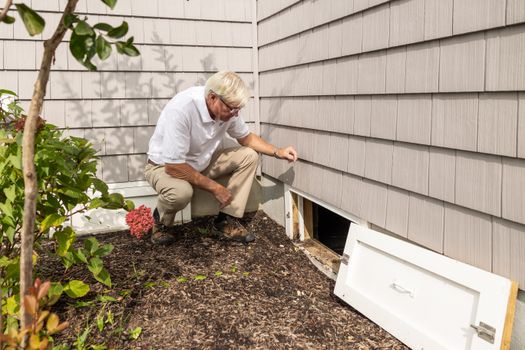
Senior adult inspecting a crawl space entrance during a home inspection on a sunny day. Photo: Kathleen Austin Kuhn / Pexels
Successfully purchasing foreclosed homes for sale in Georgia requires a strategic approach and attention to detail. Here are some essential tips to guide you through the process: * **Get Pre-Approved for Financing Early:** This is non-negotiable. Not only does it set your budget, but it also demonstrates to sellers (especially banks) that you are a serious and capable buyer. Some lenders even offer specific financing options for foreclosures or renovation loans that can be paired with them. * **Work with an Experienced Foreclosure Agent:** A real estate agent who specializes in foreclosed and distressed properties will be invaluable. They understand the unique contracts, negotiation tactics, and timelines involved with banks and can help you avoid common pitfalls. They can also access specialized listings often not found on public sites. * **Conduct Thorough Due Diligence:** Never skip a home inspection, even if the property is sold "as-is." A professional inspection can uncover hidden damage, structural issues, or costly repairs. A title search is equally critical to ensure there are no outstanding liens or encumbrances that could become your responsibility. * **Factor in Repair Costs and a Contingency Fund:** Foreclosures are often sold in their current condition, meaning you'll likely need to budget for repairs, renovations, and potentially even clean-up. Always get estimates for necessary repairs and add a contingency fund (10-20% of estimated repair costs) for unexpected issues. * **Understand the "As-Is" Clause:** This means the seller will not make any repairs or offer credits. You are buying the property with all its existing defects. Your offer should reflect the estimated cost of repairs. * **Be Patient and Persistent:** The process of buying a foreclosure can be longer and more bureaucratic than a traditional sale, especially when dealing with banks. Be prepared for potential delays and maintain good communication with your agent and lender. * **Research the Neighborhood and Comps:** Don't just focus on the property's low price. Research comparable sales (comps) in the area to ensure the foreclosed home, even after repairs, will be a good investment. Understand the local market trends and future development plans. * **Review All Documents Carefully:** Bank addendums can be complex and often favor the seller. Have your agent and a real estate attorney review all contracts and disclosures to ensure you understand every clause and its implications. * **Consider Utilities and Occupancy:** If utilities are off, it can complicate inspections. If the property is still occupied (rare for REO, but possible in pre-foreclosure), understand the legal implications and eviction process. By following these tips, you can increase your chances of a successful and profitable purchase of foreclosed homes for sale in Georgia, turning a distressed property into a valuable asset.

Comparison

FeatureREO (Bank-Owned)Foreclosure AuctionPre-Foreclosure (Short Sale)
Inspection Allowed?✗ (often)
Title Clear?✓ (usually by bank)✗ (buyer's risk)✓ (if approved)
Financing OptionsTraditional mortgageCash onlyTraditional mortgage
Risk LevelMediumHighMedium
Seller MotivationHigh (to liquidate)High (to clear debt)Medium (to avoid foreclosure)
Typical Price DiscountModerate to significantSignificantModerate
Process ComplexityModerateHighHigh (lengthy approval)

What Readers Say

"We found an amazing deal on one of the foreclosed homes for sale in Georgia through a local REO agent. It needed some work, but the price was unbeatable, and the process was surprisingly smooth with the right guidance."

Sarah J. · Marietta, Georgia

"As an investor, foreclosed homes for sale in Georgia are a goldmine. I recently flipped an REO property in Fulton County and saw a fantastic return. Key is due diligence and a quick closing."

Michael D. · Atlanta, Georgia

"My family was able to purchase a beautiful, albeit slightly neglected, home near the coast. We put in some sweat equity, and now it's our dream home, all thanks to finding it among the foreclosed homes for sale in Georgia. Saved us over $50,000!"

Jessica L. · Savannah, Georgia

"The process for buying a foreclosure was a bit longer and more complex than I expected, with bank paperwork taking time. However, the savings were worth the extra effort, and our agent was instrumental in guiding us through."

Robert K. · Augusta, Georgia

"We bought our first rental property by looking at foreclosed homes for sale in Georgia. The discount allowed us to immediately start generating positive cash flow after minimal renovations. Highly recommend for new investors."

Emily R. · Athens, Georgia

Frequently Asked Questions

What is the best way to find foreclosed homes for sale in Georgia?

The best way is to work with a real estate agent specializing in foreclosures, as they have access to MLS listings and specialized REO databases. Websites like Zillow, RealtyTrac, and government sites (HUD, VA) also list foreclosures. County courthouse records are crucial for auction properties.

Are foreclosed homes in Georgia always a good deal?

While foreclosed homes often offer significant discounts, they are not always a guaranteed 'good deal.' Buyers must factor in potential repair costs, the 'as-is' condition, and the time commitment required. Thorough due diligence is essential to determine true value.

How do I finance a foreclosed home in Georgia?

For REO properties and short sales, traditional mortgages are often available, though lenders may have specific requirements. For auction properties, cash is almost always required. FHA 203(k) loans or other renovation loans can be used to finance both the purchase and repairs.

What are the typical closing costs for a foreclosed home in Georgia?

Closing costs for foreclosed homes in Georgia are similar to traditional sales, including title insurance, attorney fees, transfer taxes, and appraisal fees. However, bank addendums might shift some typical seller costs to the buyer, so it's crucial to review the contract carefully.

How do foreclosed homes compare to traditional sales regarding risk?

Foreclosed homes generally carry higher risks due to the 'as-is' condition, potential for deferred maintenance, and sometimes unknown property history. However, these risks can be mitigated with thorough inspections, title searches, and expert real estate representation, often leading to greater financial reward.

Who should consider buying foreclosed homes for sale in Georgia?

Foreclosed homes are ideal for investors looking for properties to flip or rent, cash buyers seeking deep discounts, and handy homebuyers willing to put in sweat equity for a lower purchase price. They suit those with patience and a clear understanding of the process and potential challenges.

What are the biggest safety concerns when buying a foreclosure?

Safety concerns include structural damage, hazardous materials (like mold or asbestos), unaddressed electrical or plumbing issues, and potential squatters or vandalism if the property has been vacant. Always inspect with a professional, and never enter a property without permission.

Will the market for foreclosed homes in Georgia change in the coming years?

The foreclosure market is cyclical, influenced by economic factors like interest rates, employment, and housing inventory. While currently relatively low, economic shifts could increase inventory. Staying informed on economic forecasts and local real estate trends is key to predicting future opportunities in foreclosed homes for sale in Georgia.

Ready to discover the significant savings and investment potential? Start exploring foreclosed homes for sale in Georgia today. Connect with an expert agent to navigate this unique market and secure your next valuable property.

Topics: foreclosed homes for sale in georgiageorgia foreclosuresbank-owned properties georgiaREO homes georgiaforeclosure investment georgia
Leo List
Brampton weed
Adultwork EstrelaBet Vai de Bet R7 Bet Betão Galera Bet Rainbet Bet9ja Shop SportyBet BetKing Sisal Loto Foot Hollywoodbets YesPlay Odibets RushBet Jugabet BetWarrior BetCity MSport betPawa Fortebet