✓ Over 88% of buyers and sellers use a real estate agent.
✓ A good agent can save you thousands and significant stress.
✓ Local market knowledge is crucial for successful transactions.
✓ Interviewing multiple agents is key to finding the right fit.
How It Works
1
Define Your Needs
Before you start searching, clarify whether you're buying, selling, or both, and your specific property preferences or selling goals. This helps narrow down suitable agents.
2
Research Local Agents
Utilize online directories, local referrals, and real estate websites to find agents operating in your desired neighborhood. Look for experience and specialization.
3
Interview Top Candidates
Schedule meetings with 2-3 prospective agents. Ask about their experience, market knowledge, communication style, and fees. Prepare a list of important questions.
4
Choose and Collaborate
Select the agent whose expertise, personality, and approach best align with your needs. Establish clear communication and work together closely for a successful outcome.
Why Searching for a Real Estate Agent Near Me is Your First Smart Move
Photo: Lukas Faust / Pexels
Embarking on a real estate journey, whether buying your dream home or selling your current property, is one of the most significant financial and emotional decisions you'll make. It’s a complex process, riddled with legalities, market fluctuations, and intricate negotiations. This is precisely why the initial step of searching for a "real estate agent near me" isn't just convenient; it's absolutely crucial for a smooth, successful, and stress-free transaction. A local real estate agent brings an unparalleled depth of knowledge about your specific market. They understand the nuances of neighborhoods, school districts, property values, and even future development plans that could impact your investment. This hyper-local expertise is something no national database or general real estate guide can replicate. They know which areas are hot, which are emerging, and which might be undervalued, offering insights that can literally save or make you thousands of dollars. For sellers, a local agent knows exactly how to position your property to attract the right buyers at the best price. They understand local pricing strategies, effective marketing channels within the community, and what local buyers are looking for. They can advise on staging, minor repairs, or upgrades that will yield the highest return in your specific market. For buyers, a local agent can identify properties that meet your criteria, often before they even hit the broader market, thanks to their network and proactive searching. They can guide you through the local permitting processes, zoning laws, and even recommend trusted local service providers like inspectors or mortgage brokers. Think of it this way: would you trust a mechanic who has never worked on your car model before, or one who specializes in it and knows every bolt and wire? The same principle applies to real estate. Your home is not just a house; it's a part of a community, and a local agent is deeply embedded in that community. They can provide invaluable information about local amenities, traffic patterns, community events, and even the best local coffee shops – all factors that contribute to the lifestyle you're buying into. Beyond market knowledge, a good local agent is a master negotiator. They represent your best interests, advocating fiercely to secure the most favorable terms, whether you're buying or selling. They handle the often-stressful back-and-forth, ensuring that emotions don't derail the deal. They navigate complex contracts, disclosures, and deadlines, ensuring everything is handled correctly and legally. In essence, searching for a "real estate agent near me" connects you with a dedicated professional who is not just selling houses but facilitating your future within a specific community. They are your guide, your advocate, and your trusted advisor through one of life's biggest transitions. Their local presence means they are accessible, responsive, and personally invested in your success within their own community. Don't underestimate the power of proximity and specialized local knowledge when it comes to real estate. It's the foundation of a successful transaction and a truly satisfying experience. Choosing the right real estate professional is paramount to your success.
Decoding the Different Types of Real Estate Professionals and Their Roles
Photo: Kampus Production / Pexels
When you begin your search for a "real estate agent near me," you'll quickly encounter a variety of titles: real estate agent, Realtor, broker, and even specialized agents like buyer's agents or listing agents. Understanding the distinctions between these roles is crucial to ensuring you choose the professional best suited for your specific needs. At its core, a real estate agent is a licensed professional who represents buyers or sellers in real estate transactions. To become an agent, individuals must complete a certain number of pre-licensing courses and pass a state-administered exam. Their license allows them to facilitate the buying and selling of property, but they must operate under the supervision of a licensed real estate broker. A Realtor, on the other hand, is a real estate agent (or broker) who is a member of the National Association of Realtors (NAR). This membership requires adherence to a strict Code of Ethics and Standards of Practice, which often goes beyond state licensing requirements. While not all real estate agents are Realtors, all Realtors are real estate agents. Choosing a Realtor often provides an added layer of assurance regarding ethical conduct and professional standards. A real estate broker is a step above an agent in terms of licensing and experience. Brokers have typically completed more extensive education and passed a more comprehensive state exam. They can work independently or hire other real estate agents to work under them. Many agents aspire to become brokers as it allows them to open their own brokerage firm. When you work with an agent, they are typically working under a broker's license. Then there are specialized roles. A buyer's agent, also known as a selling agent, represents the buyer in a transaction. Their primary responsibility is to help the buyer find suitable properties, negotiate the best price and terms, and guide them through the closing process. They owe fiduciary duties to the buyer, meaning they must act in the buyer's best interests. Conversely, a listing agent, or seller's agent, represents the seller. Their goal is to market the property effectively, attract qualified buyers, negotiate the highest possible price, and manage the sale process from listing to closing. They owe their fiduciary duties to the seller. In some cases, a single agent might represent both the buyer and the seller in the same transaction. This is known as dual agency and is subject to strict rules and disclosure requirements, varying by state. While it can simplify communication, some prefer separate representation to ensure undivided loyalty. There are also less common specializations, such as commercial real estate agents, who deal exclusively with business properties, or property managers, who handle the day-to-day operations of rental properties. Each of these professionals brings a unique skill set and focus. When you're looking for a "real estate agent near me," it's important to consider whether you need a buyer's specialist, a seller's specialist, or simply a general agent with broad experience. Asking about their primary focus and typical clientele can help you align with the right expert. Understanding these roles empowers you to make an informed decision and ensures you partner with a professional whose expertise directly matches your real estate goals.
The Unseen Value: How a Great Local Real Estate Agent Earns Their Commission
Photo: RDNE Stock project / Pexels
Many people focus on the commission percentage when considering a "real estate agent near me," often overlooking the immense value and extensive work that goes into earning that fee. A truly great local real estate agent is far more than just a salesperson; they are a multi-faceted professional who acts as a marketer, negotiator, legal guide, market analyst, and emotional support system throughout a complex and often stressful process. For sellers, the agent's work begins long before the "For Sale" sign goes up. It involves a thorough market analysis to determine the optimal listing price, advice on staging and repairs to maximize appeal, professional photography and virtual tours, and crafting compelling property descriptions. They then execute a comprehensive marketing plan, leveraging online platforms, social media, open houses, and their local network to reach the widest possible pool of qualified buyers. This isn't just about listing on MLS; it's about strategic exposure. Once offers start coming in, the agent meticulously reviews them, explains the pros and cons of each, and expertly negotiates counter-offers to secure the best terms and price for their client. This negotiation skill is honed over years of experience and can literally translate to thousands of dollars in your pocket. For buyers, the agent's value starts with understanding your specific needs, budget, and lifestyle to identify suitable properties. They don't just send you listings; they pre-screen homes, often previewing them themselves, and provide honest insights into neighborhoods, schools, and local amenities. They schedule showings, guide you through properties, and point out potential issues or benefits you might overlook. When you find "the one," their expertise truly shines. They help you craft a competitive offer, conduct a comparative market analysis to ensure you're not overpaying, and negotiate tirelessly on your behalf, often navigating multiple offers or challenging seller demands. This can include negotiating inspection repairs, closing cost credits, or specific contingencies. Beyond these core functions, both buyers and sellers benefit from an agent's project management skills. They coordinate inspections, appraisals, financing, and legal reviews, ensuring all moving parts align seamlessly towards closing. They manage deadlines, paperwork, and communication between all parties involved – attorneys, lenders, inspectors, and other agents. They also act as a crucial buffer, absorbing much of the stress and problem-solving unexpected issues that inevitably arise. A great agent anticipates problems before they become crises, offering solutions and keeping the transaction on track. Their deep understanding of local contracts, disclosures, and legal requirements protects you from potential pitfalls and liabilities. In essence, the commission pays for expert guidance, strategic marketing, skilled negotiation, legal protection, and peace of mind. It’s an investment in a professional who dedicates countless hours, leverages extensive knowledge, and takes on significant liability to ensure your real estate goals are met successfully. When you consider the financial stakes involved in buying or selling a home, the value provided by a competent local real estate agent far outweighs their fee. They are your advocate, your advisor, and your key to navigating the complex real estate landscape with confidence. Understanding real estate commissions is part of being an informed client.
Essential Tips for Choosing the Best Real Estate Agent Near Me
Photo: Thirdman / Pexels
Finding the right real estate agent is paramount, and it requires more than just a quick online search. Here are essential tips to help you select the best "real estate agent near me" for your unique situation.
1. **Ask for Referrals:** Start your search by asking friends, family, and colleagues who have recently bought or sold property in your area. Personal recommendations often lead to reliable agents who have a proven track record and good communication skills.
2. **Check Online Reviews and Testimonials:** Once you have a few names, look them up on real estate websites (Zillow, Realtor.com, Yelp, Google My Business). Pay attention to both positive and negative feedback, focusing on consistent themes regarding communication, negotiation skills, and local market knowledge.
3. **Verify Licensing and Experience:** Ensure the agent is properly licensed in your state. You can usually check this through your state's real estate commission website. Also, inquire about their experience level – how long have they been in the business, and how many transactions do they complete annually?
4. **Interview Multiple Agents:** Don't settle for the first agent you meet. Interview at least two to three candidates. This gives you a chance to compare their personalities, approaches, and expertise. Prepare a list of questions covering their local market knowledge, marketing strategies (for sellers), search strategies (for buyers), communication style, and fees.
5. **Assess Local Market Knowledge:** A top agent should be a local expert. Ask specific questions about your desired neighborhoods, recent sales in the area, average days on market, and local market trends. They should be able to articulate a clear strategy based on current conditions.
6. **Evaluate Communication Style:** Communication is key. How quickly do they respond to your initial inquiries? Do they listen attentively to your needs? Are they clear and concise in their explanations? You'll be working closely with this person, so compatibility in communication is vital.
7. **Understand Their Specialization:** Some agents specialize in buyers, others in sellers, and some in specific property types (e.g., luxury homes, condos, investment properties). Ensure their specialization aligns with your needs. A buyer's agent might be best if you're purchasing, and a listing agent if you're selling.
8. **Discuss Fees and Contracts:** Be clear about their commission structure. For sellers, this typically involves a percentage of the sale price. For buyers, the seller often pays the buyer's agent commission. Understand the terms of their agency agreement and the duration of the contract.
9. **Trust Your Gut:** After all the research and interviews, your personal comfort level with an agent is crucial. Choose someone you trust, feel comfortable with, and believe will genuinely advocate for your best interests. This is a significant partnership, and rapport matters immensely.
By following these tips, you'll significantly increase your chances of finding a highly competent and trustworthy "real estate agent near me" who can guide you to a successful real estate outcome.
Comparison
Feature
Top Local Agent
Online Discount Broker
For Sale By Owner (FSBO)
Local Market Expertise
Deep, nuanced local knowledge
Limited local insight
Owner's personal knowledge
Negotiation Skills
Expert, experienced negotiator
Basic negotiation support
Owner handles negotiation
Marketing Reach
Professional photos, MLS, network, social
Online listings, basic photos
Limited, owner-driven marketing
Paperwork & Legalities
Comprehensive guidance, error-free
Automated forms, limited advice
Owner's responsibility, high risk
Time & Stress Saved
Significant time & stress reduction
Moderate time savings
High time & stress burden
Commission Cost
Standard % (value-driven)
Lower fixed fee or %
No commission (but hidden costs)
Professional Network
Lenders, inspectors, contractors
Limited network
Owner's existing contacts
Client Advocacy
Dedicated advocate for your interests
Transactional support
Self-representation
What Readers Say
★★★★★
"Searching for a real estate agent near me led me to an incredible professional. She knew our neighborhood inside out and helped us sell our home far above asking price in just days. Her communication was flawless."
Sarah J. · Austin, TX
★★★★★
"Our agent was a lifesaver! As first-time buyers, we had so many questions. He patiently guided us through every step, finding us the perfect home in a competitive market. Highly recommend if you need a real estate agent near me."
Mark D. · Miami, FL
★★★★★
"I used a real estate agent near me to purchase an investment property. Their deep market analysis and negotiation skills secured a fantastic deal that exceeded my financial projections. Truly impressed with their expertise."
Emily R. · Seattle, WA
★★★★★
"The agent was very knowledgeable about the Denver market and responsive. While the process took a bit longer than expected, their persistence ultimately got us the house we wanted. Good service overall."
David L. · Denver, CO
★★★★★
"After a difficult previous experience, I was hesitant to find another real estate agent near me. This agent restored my faith! They were professional, honest, and truly cared about finding the right fit for my family, not just making a sale."
Jessica M. · Phoenix, AZ
Frequently Asked Questions
What's the difference between a real estate agent and a Realtor?
A real estate agent is licensed to help people buy and sell property. A Realtor is a real estate agent (or broker) who is also a member of the National Association of Realtors (NAR) and adheres to its strict Code of Ethics. All Realtors are agents, but not all agents are Realtors.
How much does a real estate agent cost?
Real estate agent commissions are typically paid by the seller, usually ranging from 5-6% of the home's sale price, which is then split between the buyer's and seller's agents. For buyers, working with an agent usually comes at no direct cost to them, as the commission is built into the sale price.
How do I choose the best real estate agent near me?
Start by getting referrals from trusted sources, then check online reviews and verify their licensing. Interview at least 2-3 agents, focusing on their local market knowledge, communication style, experience, and how well their specialization aligns with your specific buying or selling needs.
Is it worth using a real estate agent, or can I sell/buy myself?
While you can buy or sell property yourself (For Sale By Owner), using a real estate agent is highly recommended. Agents offer invaluable market expertise, negotiation skills, marketing reach, legal guidance, and save significant time and stress, often resulting in a better financial outcome than going solo.
What questions should I ask a potential real estate agent?
Key questions include: How long have you been an agent? How many homes have you sold/helped buy in this area recently? What is your communication style? What is your marketing strategy for sellers / search strategy for buyers? What are your fees? Can you provide references?
Who should use a real estate agent near me?
Anyone looking to buy or sell residential or commercial property can benefit from a local real estate agent. This includes first-time homebuyers, experienced investors, those relocating, or individuals looking to downsize or upgrade. Their local expertise is invaluable for all transaction types.
Are there any risks to not using a real estate agent?
Yes, significant risks include mispricing your home, lacking effective marketing exposure, poor negotiation leading to lost money, legal pitfalls due to incorrect paperwork or disclosures, and a much higher time commitment and stress level in managing the complex transaction process yourself.
How has technology impacted the role of a real estate agent?
Technology has empowered agents with better data, virtual tour capabilities, and broader online marketing tools. However, it hasn't replaced the need for human expertise, local knowledge, negotiation skills, and personal guidance, which remain critical for successful and stress-free transactions.
Don't navigate the complex world of real estate alone. Find the perfect real estate agent near me today to ensure a smooth, successful, and financially rewarding buying or selling experience. Your ideal property journey starts here.

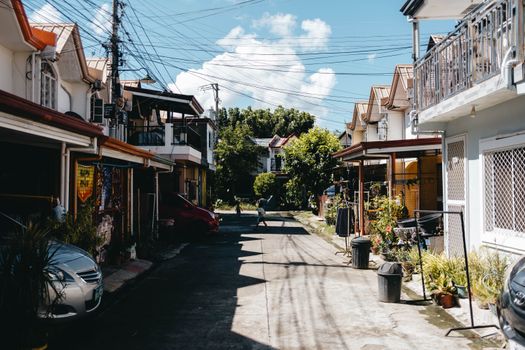 Photo: Lukas Faust / Pexels
 Photo: Kampus Production / Pexels
 Photo: RDNE Stock project / Pexels
 Photo: Thirdman / Pexels