✓ Chicago boasts over 1.3 million businesses, driving strong demand for commercial spaces.
✓ The city's diverse economy supports office, retail, industrial, and mixed-use properties.
✓ Key submarkets like Fulton Market, West Loop, and River North are experiencing significant growth.
✓ Access to major transportation hubs and a skilled workforce makes Chicago highly attractive.
How It Works
1
Define Your Needs
Clearly outline your business requirements, including space size, location preferences, budget, and specific amenities. This initial step is crucial for an efficient search.
2
Market Exploration & Property Selection
Work with experienced brokers to identify suitable properties that align with your defined criteria. Leverage their local knowledge to navigate Chicago's complex market.
3
Negotiation & Due Diligence
Once a property is identified, expert negotiation of lease terms, rental rates, and tenant improvement allowances is critical. Conduct thorough due diligence before signing.
4
Lease Execution & Occupancy
Finalize the lease agreement, ensuring all legal aspects are covered and understood. Prepare for your move-in and begin establishing your business in its new Chicago home.
Navigating the Chicago Commercial Real Estate Market for Lease
Photo: K / Pexels
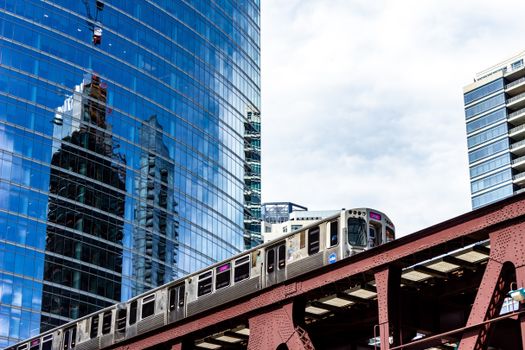
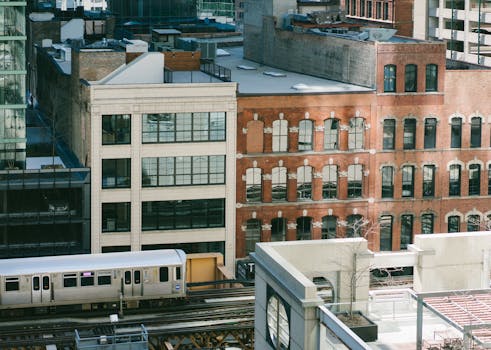
Chicago stands as a global economic powerhouse, its skyline a testament to its vibrant commercial activity. For businesses seeking commercial real estate for lease Chicago, the city offers an unparalleled array of opportunities across various sectors. From towering office buildings in the Loop to sprawling industrial parks in the surrounding suburbs, and from bustling retail storefronts in River North to innovative co-working spaces in Fulton Market, the options are as diverse as the city itself. Understanding the nuances of this dynamic market is paramount to securing a space that not only meets your operational needs but also positions your business for long-term success. The Chicago commercial real estate market is characterized by its resilience, diverse economic base, and continuous development, making it an attractive destination for both established enterprises and burgeoning startups. Factors such as access to a highly educated workforce, world-class infrastructure, and a strategic central location in the US contribute significantly to its appeal. When embarking on your search for commercial real estate for lease Chicago, it’s essential to consider the specific submarkets, each with its unique character and advantages. The central business district, primarily the Loop, remains a prime location for corporate headquarters and financial institutions, offering prestigious addresses and excellent transit access. However, other areas like the West Loop and Fulton Market have emerged as innovation hubs, attracting tech companies, creative agencies, and upscale dining establishments, often featuring converted industrial buildings with modern, open-concept designs. Further afield, industrial properties in areas like O'Hare and the South Side provide critical logistics and manufacturing capabilities, benefiting from proximity to major highways and freight rail lines. Retail spaces are scattered throughout the city, ranging from high-street luxury boutiques on Michigan Avenue to neighborhood-serving retail centers. The decision of where to locate will heavily depend on your business type, target audience, and operational logistics. Engaging with a local commercial real estate expert can provide invaluable insights into these submarket dynamics, helping you to identify areas with the most potential for your specific business model. They can guide you through current market trends, vacancy rates, rental price variations, and future development plans that might impact your chosen location. This strategic approach ensures that your investment in commercial real estate for lease Chicago is well-informed and aligned with your business objectives. Furthermore, understanding the different types of leases, such as gross, net, or modified gross, is crucial, as each impacts your financial responsibilities beyond the base rent. A comprehensive understanding of these aspects will empower you to make an informed decision and successfully secure the ideal commercial real estate for lease Chicago. Learn more about commercial real estate trends.
Key Considerations for Leasing Commercial Property in Chicago
Securing the right commercial real estate for lease Chicago involves a meticulous process that extends far beyond simply finding an available space. Several critical factors must be thoroughly evaluated to ensure the property aligns perfectly with your business goals and operational requirements. Firstly, location is paramount. For retail businesses, foot traffic, visibility, and accessibility to public transportation or parking are non-negotiable. Office tenants might prioritize proximity to clients, talent pools, and amenities like restaurants and fitness centers. Industrial users, conversely, will focus on access to major highways, loading docks, clear ceiling heights, and power infrastructure. Chicago's vast geography means that a 'good location' is highly subjective and entirely dependent on your business's specific needs. For example, a tech startup might thrive in the collaborative environment of Fulton Market, while a law firm might prefer the more traditional, established atmosphere of the Loop. A manufacturing plant would likely seek cost-effective industrial parks in the city's periphery or surrounding suburbs, leveraging the city's extensive transportation networks. Secondly, understanding your budget and the total cost of occupancy is crucial. Beyond the base rent, commercial leases often include additional expenses such as common area maintenance (CAM) charges, property taxes, and building insurance, collectively known as operating expenses. These can significantly impact your total monthly outlay. Tenant improvement (TI) allowances, which are funds provided by the landlord for customizing the space, can also play a major role in your financial planning. Negotiating a favorable TI package can reduce your upfront capital expenditures for fitting out the space to your specifications. It’s important to factor in all these costs when comparing properties to get a true picture of the financial commitment. Thirdly, the lease term and flexibility are vital. Businesses, especially startups or those in rapidly changing industries, may prefer shorter lease terms with options to renew or expand. Longer lease terms often come with more favorable rental rates but tie you into a location for an extended period. Carefully consider your business's growth projections and potential future needs when negotiating this aspect. Furthermore, understanding the zoning regulations for your desired location is non-negotiable. Chicago has specific zoning ordinances that dictate what types of businesses can operate in certain areas. Ensuring your intended use is permissible is a fundamental due diligence step that can prevent significant headaches down the line. A skilled commercial real estate broker specializing in commercial real estate for lease Chicago can provide invaluable assistance in navigating these complex considerations, offering market insights, identifying suitable properties, and negotiating favorable lease terms on your behalf. Their expertise can save you time, money, and mitigate potential risks, making the leasing process smoother and more successful. Remember, a thorough due diligence process that encompasses all these elements is key to making an informed decision for your business's future in Chicago.
Diverse Property Types: Finding Your Ideal Commercial Real Estate for Lease Chicago
Chicago's commercial real estate market offers a rich tapestry of property types, each catering to distinct business needs and operational models. When searching for commercial real estate for lease Chicago, understanding these categories is essential to pinpointing the perfect fit for your enterprise. Office spaces, for instance, range from prestigious Class A towers in the Loop and River North, offering state-of-the-art amenities and breathtaking city views, to more affordable Class B and C options in various neighborhoods that provide functional space for growing businesses. The rise of flexible workspaces and co-working environments has also expanded the options, providing agile solutions for startups, freelancers, and project-based teams seeking shorter commitments and collaborative atmospheres. Submarkets like the West Loop and Fulton Market are particularly popular for tech and creative firms, featuring loft-style offices in converted industrial buildings that blend historic charm with modern functionality. Retail properties in Chicago are equally diverse, reflecting the city's vibrant consumer base. From prime street-level storefronts on Michigan Avenue and Oak Street, home to luxury brands and flagship stores, to neighborhood retail centers serving local communities, and expansive shopping malls, the choices are vast. Businesses looking for retail commercial real estate for lease Chicago must consider factors like foot traffic, demographic profile of the surrounding area, visibility, and co-tenancy with complementary businesses. The city's numerous distinct neighborhoods each present unique retail opportunities, from the eclectic boutiques of Wicker Park to the family-friendly shopping districts of Lincoln Park. Industrial properties are a cornerstone of Chicago's economy, serving as critical hubs for manufacturing, logistics, distribution, and warehousing. Strategically located near major transportation arteries, including O'Hare International Airport, Midway Airport, and an extensive network of interstates and rail lines, these properties are vital for businesses with significant supply chain operations. Options include large-scale distribution centers, light industrial facilities, flex spaces that combine office and warehouse components, and specialized manufacturing plants. The demand for industrial commercial real estate for lease Chicago remains robust, driven by e-commerce growth and the need for efficient last-mile delivery solutions. Beyond these primary categories, Chicago also offers specialized commercial properties such as medical office buildings, data centers, hospitality assets, and mixed-use developments that integrate residential, retail, and office components. Each of these property types comes with its own set of considerations regarding zoning, infrastructure, and tenant improvement requirements. A comprehensive understanding of your business's specific needs, coupled with expert guidance from a commercial real estate professional, will enable you to navigate this diverse landscape and successfully secure the optimal commercial real estate for lease Chicago. This strategic matching of business needs to property type is fundamental for operational efficiency and long-term success. Explore different types of commercial properties.
Essential Tips and Common Mistakes When Leasing Commercial Real Estate in Chicago
Leasing commercial real estate in a competitive market like Chicago can be complex, and making informed decisions is crucial to avoid costly mistakes. Here are essential tips to guide you and common pitfalls to steer clear of:
**Essential Tips for Success:**
* **Start Early:** The best commercial spaces in Chicago are often snapped up quickly. Begin your search well in advance, ideally 6-12 months before your target move-in date, to allow ample time for searching, negotiating, and tenant improvements.
* **Define Your Non-Negotiables:** Before you even look at properties, make a clear list of your absolute must-haves (e.g., specific square footage, loading docks, proximity to public transit). This helps narrow down your search and prevents wasting time on unsuitable options.
* **Leverage Local Expertise:** Partner with an experienced commercial real estate broker who specializes in the Chicago market and your specific property type. They possess invaluable market knowledge, negotiation skills, and access to off-market listings.
* **Understand Total Occupancy Costs:** Always look beyond the base rent. Factor in operating expenses (CAM, taxes, insurance), utilities, tenant improvement costs, and potential relocation expenses to get a true picture of your financial commitment.
* **Read the Lease Agreement Thoroughly:** Commercial leases are complex legal documents. Have an attorney review the entire agreement, paying close attention to clauses on renewal options, termination, assignment, sub-leasing, maintenance responsibilities, and personal guarantees.
* **Visit Multiple Properties:** Don't settle for the first decent option. See a variety of spaces to compare features, locations, and pricing, ensuring you make the most informed decision for your commercial real estate for lease Chicago.
**Common Mistakes to Avoid:**
* **Underestimating Time and Effort:** Leasing commercial space is a significant undertaking. Don't rush the process or underestimate the time required for due diligence and negotiations.
* **Ignoring Future Growth:** Leasing a space that barely meets your current needs can lead to expensive relocation or expansion issues down the road. Plan for future growth or contraction when selecting a property.
* **Overlooking Lease Flexibility:** A rigid lease agreement can be detrimental. Failing to negotiate options for expansion, contraction, or early termination (if necessary) can limit your business's agility.
* **Not Factoring in Build-Out Costs:** Assuming the landlord will cover all tenant improvements is a common mistake. Clearly define and negotiate TI allowances and who is responsible for specific build-out costs upfront.
* **Neglecting Due Diligence:** Skipping crucial checks like zoning compliance, building inspections, and reviewing the landlord's financial stability can lead to unforeseen problems and expenses.
* **Failing to Negotiate:** Everything in a commercial lease is negotiable, from rental rates and escalation clauses to tenant improvement allowances and free rent periods. Don't be afraid to negotiate for better terms.
By following these tips and avoiding these common pitfalls, businesses can navigate the process of securing commercial real estate for lease Chicago more effectively and position themselves for long-term success.
Comparison
Feature
Loop Office Space
Fulton Market Office
O'Hare Industrial Warehouse
Primary Use
Corporate Offices, Finance
Tech, Creative, Startups
Logistics, Distribution, Manufacturing
Typical Building Type
High-rise Class A Towers
Converted Industrial Lofts, New Builds
Single-story, Large Footprint
Transit Access
Excellent (CTA, Metra)
Good (CTA Green/Pink, Metra)
Good (Highway, Freight Rail, O'Hare)
Average Rent/Sq Ft (Estimate)
$45-$70+
$40-$65+
$8-$15+
Vibrancy/Amenities
High
Very High
Moderate
Growth Potential
Stable
High
Stable to High
Visibility/Branding
High
Moderate to High
Low to Moderate
What Readers Say
★★★★★
"Our search for commercial real estate for lease Chicago was seamless thanks to the expert team. They understood our unique needs for a tech startup and found us the perfect flexible office space in Fulton Market."
Sarah Chen · Chicago, IL
★★★★★
"We needed a large distribution center near O'Hare, and the guidance we received on commercial real estate for lease Chicago was invaluable. The negotiation support saved us significant costs and time."
David Rodriguez · Naperville, IL
★★★★★
"Finding a high-visibility retail location was critical for our new boutique. The team's deep market knowledge delivered a prime storefront on Armitage Avenue, directly leading to a 30% increase in foot traffic."
Maria Popescu · Chicago, IL
★★★★★
"While the initial search for commercial real estate for lease Chicago took longer than expected due to market demand, the team's persistence and negotiation skills ultimately secured us a fantastic office in the Loop at a competitive rate."
James O'Connell · Evanston, IL
★★★★★
"As a growing healthcare provider, specialized medical office space was essential. They expertly navigated the complexities of zoning and build-out for our commercial real estate for lease Chicago, ensuring compliance and efficiency."
Lisa Tran · Oak Park, IL
Frequently Asked Questions
What are the most popular areas for commercial real estate for lease Chicago?
The popularity of areas depends heavily on the type of business. The Loop remains dominant for corporate offices, while Fulton Market and West Loop are hotbeds for tech and creative firms. River North is popular for a mix of office and high-end retail, and areas around O'Hare and the South Side are key for industrial and logistics operations due to excellent transportation access.
How long does it typically take to lease commercial property in Chicago?
The timeline can vary significantly based on your specific needs, market conditions, and negotiation complexity. Generally, it's advisable to allow 3 to 6 months for office or retail space, and possibly longer for larger industrial properties or spaces requiring extensive build-out, often 6 to 12 months from initial search to occupancy.
How do I determine the right amount of space for my business?
Start by assessing your current headcount and projecting future growth over the lease term. Consider your operational layout (e.g., open plan vs. private offices, warehouse racking), required common areas (conference rooms, break rooms), and any specialized equipment. A general rule of thumb for office space is 150-250 square feet per employee, but this can vary widely.
What are the typical costs associated with leasing commercial real estate in Chicago?
Beyond the base rent, you'll typically encounter operating expenses (CAM, taxes, insurance), utilities, tenant improvement costs (for customizing the space), and potentially brokerage fees. It's crucial to understand whether the lease is 'gross,' 'net,' or 'modified gross,' as this dictates which of these additional costs you'll be responsible for.
Should I use a commercial real estate broker when looking for commercial real estate for lease Chicago?
Absolutely. A commercial real estate broker specializing in the Chicago market provides invaluable expertise. They have access to comprehensive databases, understand market trends, can identify suitable properties, negotiate favorable lease terms, and guide you through the complex legal and financial aspects, often at no direct cost to the tenant as their fees are typically paid by the landlord.
Who should consider leasing commercial real estate in Chicago?
Any business looking to establish or expand its operations in a major metropolitan hub should consider Chicago. This includes startups, small and medium-sized businesses, large corporations, retail establishments, industrial firms, and service providers seeking access to a large consumer base, skilled workforce, and robust infrastructure.
What are the risks associated with signing a long-term commercial lease?
The primary risks include being locked into a space that no longer suits your needs (due to growth or contraction), exposure to escalating rent increases, and potential inflexibility if market conditions change. Mitigate these by negotiating options for early termination, expansion/contraction, and clear rent escalation clauses, and by planning for future needs.
How is the Chicago commercial real estate market expected to evolve in the coming years?
The Chicago market is dynamic. Trends suggest continued growth in the industrial sector fueled by e-commerce, sustained demand for flexible and amenity-rich office spaces, and evolving retail landscapes adapting to consumer preferences. Emerging submarkets and mixed-use developments are also expected to play a significant role in shaping the future of commercial real estate for lease Chicago.
Ready to find the perfect commercial real estate for lease Chicago? Our expert team is here to guide you through every step, ensuring you secure a space that propels your business forward. Contact us today to begin your tailored search.