Car Rental Italy for Canadian Visitors: Your Ultimate Guide
Car rental Italy for Canadian visitors

Car Rental Italy for Canadian Visitors: Your Ultimate Guide

Navigate Italy's scenic routes and historic towns with confidence, securing the perfect car for your Canadian adventure.

Start Your Italian Journey

Key Takeaways

  • ✓ An International Driving Permit (IDP) is legally required for Canadians driving in Italy.
  • ✓ Automatic transmission cars are less common and often more expensive to rent in Italy.
  • ✓ Zero-excess insurance is highly recommended for peace of mind on Italian roads.
  • ✓ Many historic city centers (ZTLs) have restricted access, often monitored by cameras.

How It Works

1
Secure Your International Driving Permit (IDP)

Before you leave Canada, obtain your IDP from the CAA. It translates your Canadian license into multiple languages and is mandatory for driving legally in Italy.

2
Book Your Rental Car in Advance

Research and book your vehicle online from Canada well before your trip. This ensures better rates, wider selection, and availability, especially during peak season.

3
Understand Insurance and Road Rules

Familiarize yourself with Italian traffic laws, signage, and crucial insurance options. Consider full coverage to protect against unexpected incidents and damage.

4
Pick Up Your Car and Hit the Road

At the rental counter, have your IDP, Canadian license, credit card, and booking confirmation ready. Do a thorough inspection of the vehicle before departing.

Why Car Rental is Essential for Canadian Visitors in Italy
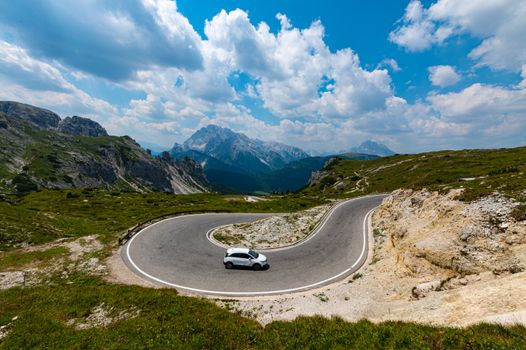
Scenic view of a winding mountain road in Veneto, Italy, with a car on an alpine pass. Photo: Duc Tinh Ngo / Pexels
Italy, a tapestry of ancient history, breathtaking landscapes, and culinary delights, offers an unparalleled travel experience. While its major cities are well-connected by train, the true magic of Italy often lies off the beaten path – in its charming hilltop villages, sun-drenched vineyards, and hidden coastal gems. For Canadian visitors seeking to fully immerse themselves in the Italian experience, a car rental in Italy isn't just a convenience; it's an absolute necessity. Public transport, while efficient for intercity travel, often falls short when exploring rural Tuscany, the Dolomites, or the smaller towns along the Amalfi Coast. Imagine the freedom to spontaneously pull over at a picturesque olive grove, discover a family-run trattoria in a remote village, or chase the sunset over the Mediterranean without being beholden to train schedules or bus routes. This level of flexibility is precisely what a rental car provides. Beyond the freedom, a car rental can also offer significant practical advantages. Traveling with luggage, especially if you're exploring multiple regions, becomes infinitely easier when you don't have to haul bags onto crowded trains or navigate complex station layouts. Families with children will appreciate the ability to control their schedule, make frequent stops, and have a comfortable, private space for travel. Furthermore, for those looking to explore specific interests like wine tasting tours in Chianti, truffle hunting in Umbria, or accessing hiking trails in national parks, a car is often the only viable option. While the thought of driving in a foreign country can be daunting for some, especially Canadians accustomed to different road rules and signage, the rewards of independent exploration in Italy far outweigh any initial apprehension. This comprehensive guide aims to demystify the process of car rental Italy for Canadian visitors, ensuring you’re well-prepared for an unforgettable Italian adventure. From understanding local regulations to selecting the right vehicle, we’ll cover everything you need to know to drive confidently and explore deeply. The investment in a rental car translates directly into an enriched, personalized, and truly authentic Italian journey, allowing you to craft an itinerary that perfectly matches your desires and discover the hidden treasures that define this incredible country.

Navigating the Essentials: IDP, Insurance, and Italian Driving Laws

Before you even think about picking up your keys, there are several crucial prerequisites and regulations Canadian visitors must understand to ensure a legal and stress-free car rental experience in Italy. The first and most important document is the International Driving Permit (IDP). This isn't an alternative to your Canadian provincial driver's license; rather, it’s a translation of your license into ten languages, officially recognized by over 150 countries, including Italy. You absolutely need your valid Canadian driver's license alongside your IDP. Obtain your IDP from the Canadian Automobile Association (CAA) before you leave Canada; it’s typically valid for one year from the date of issue. Driving without an IDP in Italy can result in significant fines and potential issues with insurance in case of an accident. It’s a small, inexpensive step that saves a lot of potential headaches. Next, let's talk about insurance. This is an area where it pays to be thorough. While basic third-party liability insurance (Required by law) is usually included in your rental, it only covers damage to other vehicles or property, not to your rental car or yourself. For Canadian visitors, several additional insurance options are highly recommended. Collision Damage Waiver (CDW) or Loss Damage Waiver (LDW) limits your financial liability for damage to the rental vehicle. Often, this comes with an excess (deductible), meaning you’re still responsible for the first few hundred or even thousand euros of damage. For ultimate peace of mind, consider a 'Super CDW' or 'Zero Excess' option, which eliminates this deductible entirely. Theft Protection (TP) is also crucial, especially if you plan to park in cities. Check if your credit card offers rental car insurance benefits – many premium cards do – but be sure to understand their specific terms, conditions, and exclusions, particularly regarding foreign rentals and types of vehicles. You might still need to purchase local liability insurance, and some credit card coverages don't apply to certain luxury vehicles or in specific countries. Finally, Italian driving laws and road etiquette can differ significantly from Canada. Speed limits are strictly enforced, often by automated cameras (autovelox and tutor systems), so pay close attention to signage. In urban areas, the limit is typically 50 km/h (31 mph), on secondary roads 90 km/h (56 mph), and on motorways (autostrade) 130 km/h (81 mph). Headlights are mandatory on two-lane rural roads and motorways, even during the day. Italy uses roundabouts extensively, and the general rule is to yield to traffic already in the roundabout, though this can vary. Watch out for ZTLs (Zona a Traffico Limitato) – Restricted Traffic Zones – in historic city centers. These areas are monitored by cameras, and unauthorized entry results in hefty fines, often mailed to you months later. Always look for ZTL signs; if your accommodation is within a ZTL, they can often register your license plate for temporary access. Familiarize yourself with basic Italian road signs, as they are mostly pictorial but can sometimes be confusing. Understanding these elements upfront will set the stage for a smooth and enjoyable driving experience in Italy.

You may also find Noleggio auto in Italia useful.

Choosing Your Ride: Vehicle Types, Rental Agencies, and Booking Tips

Selecting the right vehicle and rental agency is paramount for a successful car rental Italy for Canadian visitors experience. Italy's diverse terrain and city layouts mean that a 'one-size-fits-all' approach rarely works. For navigating narrow, winding streets in historic towns like Florence, Siena, or along the Amalfi Coast, a compact or economy car is often your best friend. These smaller vehicles are easier to maneuver and park, and they are generally more fuel-efficient. If you plan extensive motorway driving or are traveling with more than two people and significant luggage, a mid-size sedan or even a small SUV might be more comfortable. Be aware that automatic transmission cars are less common and typically more expensive to rent in Italy compared to manual transmission (stick shift) vehicles. If you're not proficient with a manual, be sure to specifically request an automatic and book well in advance, as their availability is limited. When it comes to rental agencies, you have a choice between major international brands (Hertz, Avis, Europcar, Budget, Sixt, Enterprise) and smaller local Italian companies. International brands often offer the convenience of familiar service and widespread locations, including major airports and train stations. They also tend to have more comprehensive online booking systems and clearer English-language support. Smaller local agencies might sometimes offer slightly lower prices or unique vehicles, but ensure they have good reviews and clear terms and conditions, especially regarding insurance and breakdown assistance. It's often safer to stick with reputable international companies for peace of mind, particularly for Canadian visitors who might be less familiar with local nuances. Always use a credit card for booking and payment, as most agencies require it for the security deposit and liability purposes. Booking your car well in advance, ideally several months before your trip, is highly recommended. This is especially true if you're traveling during peak season (summer, holidays) or require an automatic transmission. Early booking often secures better rates and a wider selection of vehicles. Use comparison websites (like Kayak, Rentalcars.com, Skyscanner) to get an overview of prices across different agencies, but always check the rental company's direct website as well, as they sometimes offer exclusive deals. Pay close attention to what's included in the price: unlimited mileage, taxes, and basic insurance are standard, but look out for hidden fees like airport surcharges, one-way rental fees, or extra driver charges. Always read the fine print regarding fuel policies (full-to-full is usually best), excess amounts on insurance, and cancellation policies. Picking up your car at a major airport (e.g., Rome Fiumicino, Milan Malpensa) or a large city train station can be convenient, but be mindful of city center ZTLs if your accommodation is within one. Consider picking up your car on the outskirts of a city or after you've explored the urban core, to avoid immediate ZTL fines and city driving stress. For a deeper dive into optimal planning, consider exploring Italian travel guides tailored for Canadian adventurers.

Practical Tips for a Smooth Italian Road Trip

Embarking on a road trip through Italy as a Canadian visitor is an incredible experience, but a few practical tips can make all the difference between a good trip and a great one. Here’s how to ensure a smooth journey: * **GPS and Navigation:** While physical maps are charming, a reliable GPS or smartphone app (like Google Maps or Waze) is indispensable. Download offline maps before you go, as cell service can be spotty in rural areas. Ensure your rental car has a GPS or bring your own, along with a car mount and charger. * **Fueling Up:** Gas stations (distributori di benzina) are plentiful, but self-service pumps (fai da te) are common, especially outside major cities and during off-hours. Be prepared to pay with cash at some self-service pumps if your Canadian credit card doesn't work (many don't at unattended pumps). 'Benzina' is gasoline, 'Diesel' is diesel. Avoid 'GPL' (LPG) or 'Metano' (methane) unless your car specifically uses them. * **Tolls on Autostrade:** Italy's motorways (autostrade) are toll roads. You'll typically take a ticket when you enter and pay when you exit. Look for lanes marked 'Carte' (credit card) or 'Cash' (contanti). The 'Telepass' lanes are for subscribers only; avoid them unless your rental car explicitly comes with one. Keep small denominations of euros handy for tolls. * **Parking:** Parking in Italian cities can be challenging and expensive. Look for blue lines (paid parking), white lines (free, but rare and usually for residents), or yellow lines (restricted/disabled parking). Always check signs for hours and payment methods. Parking garages are often the easiest, albeit most expensive, option in city centers. In smaller towns, look for 'Parcheggio' signs. * **Emergency Numbers:** In case of an emergency, dial 112 for all emergencies (police, ambulance, fire). For roadside assistance, the number for ACI (Automobile Club d'Italia) is 803 116, or contact your rental company directly. * **Driving Style:** Italian drivers can be assertive. Stay calm, be predictable, and maintain a safe following distance. On motorways, the left lane is for passing only, and Italians are quick to flash their lights if you're lingering. Defensive driving is key. * **Don't Leave Valuables in Sight:** Like anywhere, avoid leaving bags, electronics, or other valuables visible in your parked car to deter theft. Always lock your doors and windows. By keeping these tips in mind, your Italian road trip will be filled with scenic drives, cultural discoveries, and unforgettable memories.

Comparison

FeatureBest Option (Zero Stress)Alternative 1 (Budget Conscious)Alternative 2 (Adventure Seeker)
Vehicle TypeCompact AutomaticEconomy ManualMid-size SUV (Manual)
Insurance CoverageZero Excess CDW + TPBasic CDW (High Deductible)Credit Card Coverage (Check Terms)
IDP Required
Booking Timing3-6 months in advance1-2 months in advanceLast minute (limited choice)

What Readers Say

"Renting a car in Italy with my IDP was seamless thanks to this guide. We explored Tuscany at our own pace, stopping at every little village. Highly recommend for Canadian visitors!"

Sarah P. · Toronto, ON

"The information on ZTLs and insurance for car rental Italy for Canadian visitors saved us so much hassle. Our trip through Puglia was incredible, completely self-directed."

David L. · Vancouver, BC

"I was nervous about driving in Italy, but this article gave me all the confidence and practical advice I needed. We successfully navigated the Dolomites and avoided all fines!"

Emily R. · Montreal, QC

"Great tips, especially about booking automatics early. We managed to get one, but it was pricier than expected. Still, the freedom of a rental car was worth every penny for our Italian adventure."

Mark J. · Calgary, AB

"As a solo female traveler from Canada, having my own car in Italy felt empowering. I could explore off-the-beaten-path locations safely and on my schedule. This guide was invaluable."

Jessica M. · Halifax, NS

Frequently Asked Questions

Do Canadian visitors need an International Driving Permit (IDP) to rent a car in Italy?

Yes, absolutely. An International Driving Permit (IDP) is legally required for all non-EU citizens, including Canadians, to drive or rent a car in Italy. It must always be presented alongside your valid provincial Canadian driver's license. You can obtain your IDP from the Canadian Automobile Association (CAA) before your trip.

Are automatic transmission cars readily available for rent in Italy?

Automatic transmission cars are less common and generally more expensive to rent in Italy compared to manual (stick shift) vehicles. If you require an automatic, it is crucial to book well in advance, especially during peak travel seasons, to ensure availability and potentially secure a better rate. Be prepared for potentially higher rental costs.

How do I avoid ZTL fines when driving a rental car in Italy?

To avoid ZTL (Zona a Traffico Limitato) fines, always be vigilant for ZTL signs, which indicate restricted access zones in historic city centers. These areas are monitored by cameras, and unauthorized entry results in fines. If your hotel is within a ZTL, contact them beforehand; they can often register your rental car's license plate for temporary access. Otherwise, park outside ZTLs and walk or use public transport.

What kind of insurance should Canadian visitors consider for car rental in Italy?

While basic third-party liability is usually included, Canadian visitors should strongly consider purchasing additional coverage. A Collision Damage Waiver (CDW) or Loss Damage Waiver (LDW) is essential, and opting for a 'Zero Excess' or 'Super CDW' option is highly recommended to eliminate or significantly reduce your deductible. Theft Protection (TP) is also crucial. Check if your credit card offers rental car insurance, but understand its limitations and whether it applies to foreign rentals and different vehicle types.

Is driving in Italy difficult for Canadians accustomed to North American roads?

Driving in Italy can be different from North America, but it's manageable with preparation. Italian drivers can be more assertive, and roads in historic towns are often narrow. Familiarize yourself with Italian road signs, speed limits, and the concept of ZTLs. Having a good GPS, understanding roundabout rules, and maintaining a defensive driving style will help ensure a smooth experience.

Who should consider car rental Italy for Canadian visitors?

Car rental in Italy is ideal for Canadian visitors who want the flexibility to explore rural areas, small towns, vineyards, and national parks that are not well-served by public transport. It's perfect for those planning multi-region road trips, families with luggage or children, and anyone seeking a personalized, independent travel experience beyond major city centers.

What are the risks of not having the correct documentation or insurance?

The risks of not having the correct documentation (like an IDP) or adequate insurance in Italy are significant. You could face substantial fines for driving without an IDP, your rental car could be impounded, and in case of an accident, you might be held personally liable for all damages, potentially leading to massive out-of-pocket expenses. Always ensure you are fully compliant and covered.

How might car rental in Italy evolve for Canadian tourists in the future?

Future car rental in Italy for Canadian tourists might see increased adoption of electric vehicles, offering more sustainable travel options and potentially unique charging infrastructure. Digitalization of rental processes, including app-based keyless entry and AI-powered route optimization, could become more prevalent. Furthermore, stricter environmental regulations in certain areas might influence vehicle choices and access, requiring tourists to stay updated on local policies.

Ready to unlock the unparalleled beauty and freedom of Italy? Securing a car rental in Italy for Canadian visitors is your ticket to an unforgettable adventure, allowing you to explore at your own pace and discover hidden gems. Don't just visit Italy; experience it fully by taking the wheel of your own journey.

Topics: Car rental Italy for Canadian visitorsdriving in Italy as CanadianItalian car hire tipsinternational driving permit ItalyItalian road trip Canadians
Leo List
Brampton weed
Adultwork