Unpacking the Average Home Price in Texas: Your Guide
average home price in texas

Unpacking the Average Home Price in Texas: Your Guide

Navigate the dynamic Texas real estate landscape with expert insights into current home values and market drivers.

Explore Texas Homes

Key Takeaways

  • ✓ The average home price in Texas has seen significant appreciation over the last decade, driven by population growth and economic expansion.
  • ✓ Housing costs vary dramatically across Texas, with major metros like Austin and Dallas-Fort Worth commanding higher prices than smaller towns or rural areas.
  • ✓ Mortgage rates, inventory levels, and economic indicators play crucial roles in shaping Texas's housing market dynamics.
  • ✓ Understanding local market nuances, not just state averages, is essential for buyers and sellers in Texas.

How It Works

1
Research Market Trends

Begin by researching overall Texas housing market trends and specific regional data. This provides a foundational understanding of current conditions and future projections.

2
Analyze Local Data

Dive deeper into the specific city or neighborhood you're interested in. Local average home prices and inventory levels can differ significantly from the state average.

3
Consult a Real Estate Professional

Engage with a local real estate agent who possesses in-depth knowledge of your target market. They can provide personalized insights and access to proprietary data.

4
Evaluate Personal Financials

Assess your budget, pre-approval status, and long-term financial goals. This ensures your home search aligns with what you can comfortably afford, considering not just the price but also property taxes and insurance.

Understanding the Average Home Price in Texas: A Comprehensive Overview
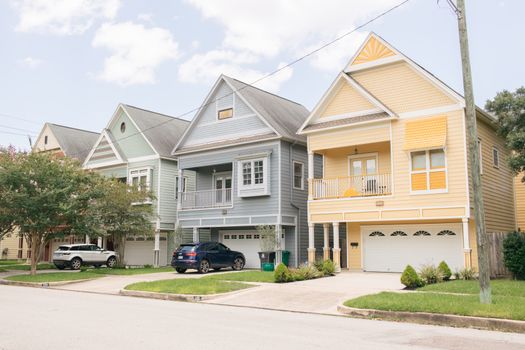
Colorful residential homes in Houston Heights neighborhood, Texas. Photo: Diego Ramirez / Pexels
Texas, a state renowned for its vast landscapes, robust economy, and burgeoning population, has long been a magnet for individuals and families seeking new opportunities and a high quality of life. This sustained growth has had a profound impact on the real estate market, making the 'average home price in Texas' a frequently discussed and critically important metric for anyone considering buying or selling property within its borders. However, understanding this average is far more complex than a single number suggests; it's a dynamic figure influenced by a myriad of economic, demographic, and geographical factors. At a foundational level, the average home price in Texas is a statistical representation, often calculated as a median or mean, of all residential properties sold within a given period across the entire state. While this provides a snapshot, it's crucial to acknowledge that Texas is an incredibly diverse state. From the bustling urban centers like Houston, Dallas, Austin, and San Antonio to the sprawling ranchlands of West Texas and the coastal communities along the Gulf, housing markets operate with distinct characteristics and price points. A home in a prime Austin neighborhood, for instance, will command a significantly higher price than a comparable property in a more rural or less economically vibrant part of the state. Therefore, while the state average offers a starting point, it's merely the tip of the iceberg. Exploring regional real estate trends is essential for a more accurate understanding. The trajectory of the average home price in Texas over the past decade has been one of consistent, and at times, rapid appreciation. This upward trend is primarily fueled by several key drivers. First, Texas has experienced unparalleled population growth, attracting millions of new residents from other states and countries. This influx creates sustained demand for housing, outpacing the supply of new homes being built. Second, the state's diverse and resilient economy, anchored by sectors such as energy, technology, aerospace, healthcare, and manufacturing, provides ample job opportunities, drawing in a skilled workforce that can afford to invest in homeownership. Major corporations continue to relocate or expand their operations in Texas, further stimulating local economies and housing demand. Interest rates also play a pivotal role. Historically low mortgage rates in recent years have made homeownership more accessible and affordable for many buyers, even as prices climbed. This increased purchasing power contributed to competitive markets and upward price pressure. However, as interest rates fluctuate, their impact on affordability and demand shifts, directly influencing the average home price in Texas. Furthermore, the availability of land, construction costs, and local regulatory environments all contribute to the supply side of the equation. Areas with limited buildable land or restrictive zoning often see higher prices due to scarcity. Understanding these interwoven factors is paramount for anyone trying to decipher the true meaning behind the overall average home price in Texas and how it might impact their personal real estate endeavors.

Key Factors Influencing Texas Housing Market Trends

Illuminated skyscrapers reflecting in the river at night in downtown Austin, Texas. Photo: Elsie Soto / Pexels
Delving deeper into the dynamics of the Texas real estate market reveals a complex interplay of forces that collectively determine the average home price in Texas. Beyond the broad strokes of population and economic growth, several specific factors exert significant influence, creating a nuanced landscape that varies from one metropolitan area to another, and even from neighborhood to neighborhood. Understanding these drivers is crucial for both prospective buyers and sellers looking to make informed decisions. One of the most significant factors is regional economic performance. While Texas as a whole boasts a robust economy, individual cities and their surrounding areas have distinct economic engines. Austin, for example, is a tech hub, attracting high-paying jobs that support a higher average home price. Dallas-Fort Worth benefits from a diversified economy with strong financial, logistics, and corporate sectors. Houston's market is heavily influenced by the energy industry, although it has diversified significantly. San Antonio, with its military presence, healthcare, and tourism, also shows unique market characteristics. The growth or contraction of these key industries directly correlates with job creation, income levels, and ultimately, housing affordability and demand, thus impacting the average home price in Texas for these specific regions. Another critical element is housing inventory. The fundamental principle of supply and demand dictates that when the supply of available homes is low relative to buyer demand, prices tend to rise. Conversely, an abundance of homes on the market can lead to price stabilization or even decreases. Texas has, for many years, struggled with a persistent housing shortage, particularly in its fastest-growing urban centers. Construction delays, labor shortages, rising material costs, and zoning regulations can all constrain new home builds, exacerbating inventory issues. This imbalance has been a primary driver of the upward trend in the average home price in Texas, creating competitive bidding wars and driving prices beyond asking in many sought-after areas. Interest rates, as mentioned previously, are a powerful macroeconomic lever. When mortgage rates are low, borrowing money becomes cheaper, increasing buyer purchasing power and stimulating demand. This often translates to higher home prices. Conversely, when rates rise, affordability decreases, potentially cooling the market and moderating price growth. Property taxes are also a significant consideration in Texas. Texas does not have a state income tax, but it compensates with some of the highest property taxes in the nation. These taxes are a substantial ongoing cost for homeowners and can significantly impact overall affordability, influencing what buyers are willing to pay for a home, thereby indirectly affecting the average home price in Texas. Understanding these interwoven factors is key to predicting market shifts and making sound real estate investments across the Lone Star State.

Regional Variations: What the Average Home Price in Texas Doesn't Tell You

A white storefront with a brick building facade in Marfa, TX. Photo: Mizzu Cho / Pexels
While discussing the 'average home price in Texas' provides a statewide benchmark, it's a statistic that can be highly misleading without considering the immense regional variations across the state. Texas is not a monolithic housing market; it's a collection of diverse local markets, each with its own unique economic drivers, demographic trends, and housing characteristics. Averages can obscure the stark differences between bustling metropolitan areas, suburban communities, and rural towns, making local market analysis indispensable for anyone serious about real estate in Texas. Understanding local market nuances is paramount. Consider the major metropolitan areas, often referred to as the 'Texas Triangle' – Dallas-Fort Worth, Houston, and Austin-San Antonio. These regions consistently report average home prices significantly higher than the state average. Austin, in particular, has seen explosive growth in its tech sector, attracting a high-income workforce and pushing median home prices to some of the highest in the state, often exceeding $500,000. Dallas-Fort Worth and Houston, while offering a broader range of price points, also feature numerous affluent neighborhoods where homes command premium prices. These areas benefit from robust job markets, extensive amenities, and strong infrastructure, all of which contribute to elevated property values and a higher average home price in Texas when considering these specific locales. In contrast, smaller cities and rural areas often present a much more affordable housing landscape. Towns in East Texas, West Texas, or the Panhandle might have median home prices that are half or even a third of those found in the major metros. This affordability often comes with a trade-off, such as fewer job opportunities, less developed infrastructure, or limited access to certain amenities. However, for those seeking a lower cost of living, more land, or a quieter lifestyle, these regions offer compelling options. The economic base in these areas might be agricultural, industrial, or service-oriented, with different growth patterns and housing demand compared to the urban centers. Even within a single metropolitan area, price variations can be substantial. For example, a home in an established, highly-rated school district in a Dallas suburb will likely be priced much higher than a similar home in a less desirable or developing area within the same city. Proximity to employment centers, quality of schools, crime rates, access to transportation, and community amenities all play a crucial role in determining hyper-local property values. Therefore, relying solely on the statewide average home price in Texas can lead to inaccurate expectations and missed opportunities. Prospective buyers and sellers must conduct thorough research into specific zip codes and neighborhoods to gain a realistic understanding of market conditions relevant to their interests.

Navigating the Texas Housing Market: Tips for Buyers and Sellers

A realtor conducting a house tour with potential buyers on the stairs of a modern home. Photo: Kampus Production / Pexels
Understanding the average home price in Texas is just the first step; effectively navigating the state's dynamic housing market requires strategic planning and informed decision-making for both buyers and sellers. Whether you're looking to purchase your first home, upgrade, downsize, or invest, these tips will help you approach the market with confidence. **For Buyers:** * **Get Pre-Approved, Not Just Pre-Qualified:** A pre-approval letter from a lender demonstrates your serious intent and financial capability to sellers, giving you a significant edge in competitive markets. It also clarifies your budget, preventing you from looking at homes outside your price range. * **Define Your Priorities (and Be Flexible):** List your non-negotiables (e.g., number of bedrooms, school district) and your 'nice-to-haves.' Be prepared to compromise on some 'wants' if it means securing a home within your budget in a desirable area. The average home price in Texas can stretch your budget in certain areas. * **Research Local Market Conditions:** Don't rely solely on statewide averages. Work with a local real estate agent who has deep knowledge of your target neighborhoods. They can provide insights into recent comparable sales, inventory levels, and typical negotiation strategies. * **Act Decisively (But Not Impulsively):** In hot markets, good homes can go quickly. Be prepared to make a competitive offer when you find the right property, but avoid rushing into a decision without proper due diligence, including inspections. * **Factor in All Costs:** Remember that the home price is just one part of the equation. Account for property taxes (which are high in Texas), homeowners insurance, closing costs, and potential HOA fees when calculating your total budget. **For Sellers:** * **Price Strategically:** While it's tempting to aim high, an overpriced home can sit on the market, eventually requiring price reductions that make it look less appealing. Your agent can help you analyze comparable sales and market conditions to determine an optimal listing price that aligns with the average home price in Texas for your specific area. * **Enhance Curb Appeal:** First impressions matter. Invest in landscaping, a fresh coat of paint, and minor repairs to make your home stand out. A well-maintained exterior can significantly impact buyer interest. * **Stage Your Home:** Decluttering, depersonalizing, and staging your home can help potential buyers envision themselves living there. Professional staging can often lead to quicker sales and higher offers. * **Be Flexible with Showings:** The more accessible your home is for showings, the more potential buyers will see it. Accommodating schedules can increase your chances of a swift sale. * **Understand Market Fluctuations:** The market is constantly changing. Be prepared for negotiations and trust your agent's advice on how to respond to offers, especially concerning the current average home price in Texas and local market competitiveness.

Comparison

FeatureMajor Metro (e.g., Austin)Mid-Sized City (e.g., College Station)Rural Area (e.g., East Texas)
Average Home PriceHigh (often $500k+)Moderate (often $300k-$450k)Lower (often $150k-$250k)
Job MarketStrong, diverse (tech, healthcare)Stable (university, local industry)Limited (agriculture, small business)
Cost of Living (Non-Housing)HigherModerateLower
Amenities/ServicesExtensive (restaurants, culture)Good (local shops, some chains)Basic (limited options)
Property TaxesHigh (due to high values)ModerateLower (due to lower values)
Market CompetitivenessVery HighModerate to HighModerate

What Readers Say

"Understanding the average home price in Texas was overwhelming until I read this guide. It clarified how different regions vary so much, helping me focus my search effectively in the Dallas market."

Sarah J. · Dallas, TX

"As a first-time buyer, I thought the state average home price in Texas applied everywhere. This article was incredibly helpful in showing me the nuances of the Houston market, saving me a lot of time and frustration."

Mark T. · Houston, TX

"This guide helped me set realistic expectations for selling my home in Austin. By understanding the factors influencing the average home price in Texas, I priced my property competitively and sold it quickly for a great price."

Emily R. · Austin, TX

"The insights on regional variations were spot on. While the average home price in Texas is one thing, the specific data for San Antonio allowed me to make a more informed offer on my new home."

David L. · San Antonio, TX

"I appreciated the breakdown of how economic factors impact the average home price in Texas. It gave me a better perspective on why my home in East Texas was valued differently than my sister's in Houston."

Jessica M. · Tyler, TX

Frequently Asked Questions

What is the current average home price in Texas?

The average home price in Texas fluctuates constantly due to market dynamics. While providing an exact real-time number is difficult without specific data, it typically ranges from the high $300,000s to low $400,000s for median prices, but can vary significantly by source and calculation method. Always consult recent reports from reputable real estate associations or data providers for the most up-to-date figures.

Why is the average home price in Texas so different across cities?

The significant differences in average home prices across Texas cities stem from varying local economic conditions, population growth rates, job opportunities, housing inventory levels, and desirability. Major metropolitan areas like Austin, Dallas, and Houston, with their robust job markets and amenities, naturally command higher prices than smaller towns or rural regions.

How can I find the average home price for a specific Texas neighborhood?

To find the average home price for a specific Texas neighborhood, it's best to consult with a local real estate agent. They have access to Multiple Listing Service (MLS) data which provides highly granular information on recent sales. Online real estate platforms can also offer neighborhood-level data, but an agent's expertise is invaluable for context and accuracy.

Do property taxes affect the average home price in Texas?

Yes, property taxes significantly affect the average home price in Texas, albeit indirectly. Texas has some of the highest property taxes in the nation due to the absence of a state income tax. These high annual costs influence what buyers can afford in terms of monthly payments, which in turn can impact the overall perceived value and selling price of homes in different areas.

Is the Texas housing market expected to cool down or continue rising?

The Texas housing market's future trajectory is subject to various factors including interest rates, economic growth, and inventory levels. While rapid appreciation seen in recent years may moderate, continued population growth and economic expansion suggest a fundamentally strong market. Experts often predict continued, but perhaps slower, appreciation, though local conditions will vary greatly.

Who benefits most from understanding the average home price in Texas?

Both prospective homebuyers and sellers benefit immensely from understanding the average home price in Texas. Buyers can set realistic budgets and expectations, while sellers can price their homes competitively to attract serious offers. Real estate investors also leverage this data to identify lucrative markets and potential investment opportunities.

What are the risks of only looking at the statewide average home price in Texas?

Relying solely on the statewide average home price in Texas carries significant risks. It can lead to unrealistic expectations, either overestimating affordability in high-cost areas or underestimating values in rapidly appreciating niche markets. This broad number doesn't account for crucial local variations in job markets, school quality, amenities, and specific neighborhood dynamics, which are critical for informed decision-making.

How does population growth impact the average home price in Texas?

Population growth directly impacts the average home price in Texas by increasing housing demand. As more people move to the state, the demand for residential properties rises. If the supply of new homes doesn't keep pace with this demand, competition among buyers intensifies, leading to upward pressure on prices and ultimately contributing to an increase in the average home price.

Ready to navigate the dynamic Texas real estate market? Understanding the average home price in Texas is your first step. Connect with a local expert today to get personalized insights and find your perfect property or achieve your selling goals.

Topics: average home price in texastexas real estate markettexas housing market trendscost of living texastexas property values
Leo List
Brampton weed
Adultwork EstrelaBet Vai de Bet R7 Bet Betão Galera Bet Rainbet Bet9ja Shop SportyBet BetKing Sisal Loto Foot Hollywoodbets YesPlay Odibets RushBet Jugabet BetWarrior BetCity MSport betPawa Fortebet