Unpacking the Average Home Price in Florida 2024: Your Ultimate Guide
average home price in florida 2024

Unpacking the Average Home Price in Florida 2024: Your Ultimate Guide

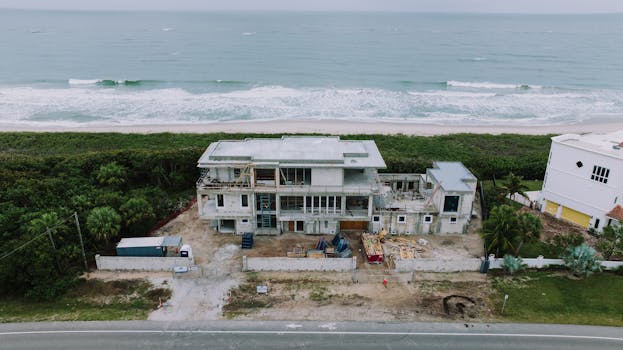
Aerial shot of a house under construction near the ocean with lush greenery.Photo: K / Pexels

Unpacking the Average Home Price in Florida 2024: Your Ultimate Guide

Navigate Florida's dynamic real estate market with current data and expert analysis on 2024 home prices.

Explore Florida Homes

Key Takeaways

  • ✓ The average home price in Florida for 2024 is projected to continue its upward trend, albeit at a more moderated pace than previous years.
  • ✓ Coastal regions and major metropolitan areas like Miami, Orlando, and Tampa typically command higher average prices.
  • ✓ Interest rates, population growth, and housing inventory are key factors influencing Florida's 2024 housing market.
  • ✓ Understanding local market nuances is crucial, as statewide averages can mask significant regional variations.

How It Works

1
Understand Statewide Averages

Begin by grasping the overall average home price in Florida for 2024. This provides a foundational understanding of the market's general health and direction.

2
Research Local Market Data

Drill down into specific cities or counties of interest, as local market conditions can vary drastically. Average prices, inventory, and demand shift by location.

3
Analyze Key Market Drivers

Consider factors like interest rates, employment figures, population migration, and new construction. These elements directly impact home values and affordability.

4
Consult with Real Estate Professionals

Engage with experienced local real estate agents and mortgage brokers. Their expertise offers invaluable insights into current market dynamics and future projections.

Understanding the Current Florida Real Estate Landscape

A tranquil coastal scene with tropical waterfront houses and palm trees under a cloudy sky.Photo: Noble Mathew / Pexels
Florida's real estate market has been a hot topic for years, and 2024 continues to present a dynamic, albeit complex, picture. When we talk about the average home price in Florida 2024, we're not just looking at a single number; we're delving into a multifaceted environment influenced by a confluence of economic, demographic, and geographical factors. The Sunshine State has long attracted residents with its favorable climate, lack of state income tax, and diverse lifestyle options, from bustling urban centers to serene coastal towns. This sustained demand, coupled with fluctuating supply, has consistently pushed property values upward. However, 2024 introduces a nuanced phase, where while appreciation is still expected, the blistering pace seen in earlier post-pandemic years is likely to moderate. Several key indicators shape this outlook. Population growth remains robust, with Florida consistently ranking among the top states for inbound migration. This continuous influx of new residents creates a baseline demand for housing across all segments, from single-family homes to condominiums. Concurrently, the state's economy remains diversified, supported by tourism, agriculture, aerospace, and a growing tech sector, which contributes to job creation and economic stability – essential ingredients for a healthy housing market. However, rising interest rates throughout 2023 and into 2024 have introduced affordability challenges for many prospective buyers. These higher borrowing costs can temper demand, especially at the lower and middle price points, leading to a more balanced market than the seller's market seen previously. Furthermore, the cost of living, while often cited as a draw, is experiencing its own inflationary pressures, impacting everything from insurance premiums (especially for homeowners in coastal areas) to everyday necessities. This, in turn, can affect what buyers are willing or able to pay for a home. Inventory levels, while still relatively tight in many sought-after areas, are slowly beginning to increase as new construction projects complete and some homeowners decide to list their properties. This gradual expansion of available homes could offer more choices to buyers and potentially ease some of the competitive pressures that have characterized the market. It's crucial for anyone interested in Florida real estate – whether buying, selling, or investing – to look beyond the headline figures. Averages can be misleading, as they smooth over significant variations between regions, property types, and specific neighborhoods. For instance, the average price of a luxury waterfront condo in Miami will skew the statewide average differently than the average price of a suburban family home in Gainesville. Therefore, a granular approach, focusing on specific sub-markets, is essential for making informed decisions. Understanding these underlying currents is the first step toward navigating the complexities of Florida's housing market in 2024 successfully. For a deeper dive into market dynamics, consider exploring resources on Florida housing market trends.

Factors Influencing the Average Home Price in Florida 2024
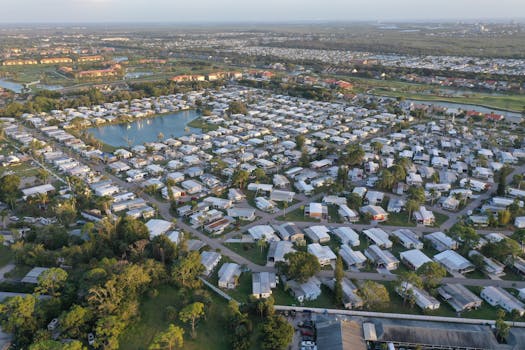
Scenic aerial shot of a sprawling residential community in Fort Myers, Florida.Photo: Nick Adams / Pexels
The average home price in Florida for 2024 is not a static figure but rather a dynamic outcome of several powerful market forces. Understanding these influences is paramount for both buyers and sellers. One of the most significant factors is interest rates. The Federal Reserve's monetary policy decisions directly impact mortgage rates, which, in turn, dictate buyer affordability. When rates rise, the cost of borrowing increases, reducing a buyer's purchasing power and potentially cooling demand. Conversely, lower rates can stimulate demand, driving prices up. The trajectory of interest rates throughout 2024 will undoubtedly play a critical role in shaping the market's direction. Population growth and migration patterns are another cornerstone. Florida continues to be a magnet for individuals and families seeking warmer climates, lower taxes, and new opportunities. This sustained inbound migration creates a consistent demand for housing, acting as a fundamental upward pressure on home values. However, the types of populations moving to Florida also matter. Are they retirees seeking smaller, lower-maintenance homes, or young families needing larger, suburban properties? These demographic shifts influence demand for different housing types and price points across the state. Economic health, including job growth and unemployment rates, directly correlates with housing market performance. A strong economy with robust job creation means more people have the financial capacity to purchase homes, supporting higher prices. Florida's diverse economy, with strong sectors in tourism, technology, and healthcare, generally provides a stable foundation. However, any significant economic downturns or recessions could impact consumer confidence and spending, including home purchases. Supply and demand dynamics are perhaps the most fundamental drivers. A shortage of available homes (low inventory) relative to buyer demand typically leads to competitive bidding and rising prices. Conversely, an oversupply of homes can lead to price stagnation or even declines. While new construction is ongoing across Florida, it often struggles to keep pace with the rapid population growth, particularly in highly desirable areas. Construction costs, labor shortages, and regulatory hurdles can also impede the speed at which new inventory comes online, further influencing price points. Lastly, insurance costs, particularly property and flood insurance, have become an increasingly prominent factor, especially in coastal regions. Rising premiums can significantly impact a homeowner's total monthly housing expense, sometimes making a home unaffordable even if the purchase price is within budget. This factor can lead to a divergence in market performance between high-risk coastal areas and inland communities. Understanding how these intricate factors interact provides a more comprehensive view of the forces shaping the average home price in Florida 2024.

Regional Variations: Beyond the Statewide Average

Aerial perspective of individuals strolling along a curved sidewalk beside a white fence in Ponce Inlet, Florida.Photo: Brent Singleton / Pexels
While discussing the average home price in Florida 2024 provides a useful starting point, it's critical to understand that this statewide figure is an aggregate that masks significant regional variations. Florida is a vast and diverse state, and real estate markets can differ dramatically from one county or city to another. What might be an average price in Miami-Dade County could be a luxury price in a smaller, rural county, or an entry-level price in a highly sought-after beachfront community. Therefore, a granular approach is essential for anyone seriously considering buying or selling property in Florida. Major metropolitan areas like Miami, Fort Lauderdale, and West Palm Beach in South Florida consistently report some of the highest average home prices. This is driven by strong international demand, limited land availability, a robust luxury market, and a high cost of living. Waterfront properties, in particular, command premium prices. The demand in these areas often outstrips supply, leading to sustained competition and appreciation, even with higher interest rates. Central Florida, anchored by Orlando and Tampa, represents another significant market. Orlando's economy is heavily influenced by tourism and the hospitality sector, while Tampa's growth is fueled by healthcare, finance, and technology. Both cities have seen substantial population growth and new construction, leading to strong, though perhaps more moderate, price appreciation compared to South Florida. The average home price in these regions tends to be more accessible than in the southern tip of the state, but still reflects robust demand. On the other hand, areas in North Florida, such as Jacksonville and Gainesville, often present more affordable options. Jacksonville, with its large military presence and growing logistics industry, offers a strong job market and a relatively lower cost of living compared to the state's southern and central hubs. Gainesville, a university town, has a more stable, education-driven economy. These regions may not see the same rapid appreciation as coastal hotspots, but they offer attractive entry points for buyers seeking value. Coastal communities, regardless of their specific region, often command higher prices due to their desirability, limited inventory, and the inherent value of water access. However, these areas also come with higher insurance costs and potential risks associated with weather events. Inland communities, while lacking direct water access, often offer larger lots, more suburban amenities, and generally lower price points. Understanding these local nuances is paramount. A local real estate agent specializing in your chosen area can provide invaluable insights into specific neighborhood trends, school districts, and future development plans, helping you make the most informed decision possible. For more insights on specific market conditions, consult resources on local Florida real estate guides.

Tips for Navigating the Florida Housing Market in 2024

Navigating the Florida housing market in 2024, with its evolving average home price in Florida 2024, requires strategic planning and careful consideration for both buyers and sellers. Here are some essential tips to help you succeed: **For Buyers:** * **Get Pre-Approved for a Mortgage Early:** This is crucial. A pre-approval letter not only tells you exactly how much you can afford but also signals to sellers that you are a serious and qualified buyer, giving you a competitive edge in a still-active market. * **Research Specific Local Markets:** Don't rely solely on statewide averages. Identify the cities or neighborhoods that align with your lifestyle and budget, then deep-dive into their specific market data, including median prices, days on market, and inventory levels. * **Factor in All Costs:** Beyond the purchase price, consider property taxes, homeowner's insurance (especially critical in Florida), potential flood insurance, HOA fees, and closing costs. These can significantly impact your overall affordability. * **Be Prepared for Competition (Even if Less Intense):** While the market may be cooling in some areas, desirable properties, especially those well-priced and in good condition, can still attract multiple offers. Be ready to act quickly and make a strong, clean offer. * **Work with a Local Expert:** A knowledgeable real estate agent with local expertise can guide you through the intricacies of the Florida market, identify suitable properties, negotiate effectively, and connect you with other trusted professionals. **For Sellers:** * **Price Your Home Competitively:** Overpricing your home in a moderating market can lead to it sitting on the market, eventually requiring price reductions. Research comparable sales in your immediate area and price strategically to attract immediate interest. * **Focus on Curb Appeal and Minor Repairs:** First impressions matter. Investing in landscaping, a fresh coat of paint, and addressing any deferred maintenance can significantly increase your home's attractiveness and perceived value. * **Professional Staging and Photography:** High-quality photos and, if possible, professional staging can make your home stand out online, drawing in more potential buyers and potentially leading to faster sales and better offers. * **Be Flexible with Showings:** The more accessible your home is for showings, the more potential buyers will see it. Try to accommodate as many viewing requests as possible. * **Understand the Current Market Sentiment:** While it may not be the extreme seller's market of previous years, well-maintained and appropriately priced homes are still in demand. Your agent can provide insights into current buyer expectations and negotiation strategies.

Comparison

FactorBuyer's PerspectiveSeller's PerspectiveMarket Impact
Interest RatesHigher borrowing costsReduced buyer poolModerating demand
Inventory LevelsMore options, less competitionMore competition for listingsBalanced to slight buyer's market (regional)
Population GrowthIncreased competition long-termSustained demandUnderlying price support
Insurance CostsHigher monthly expensesPotentially harder to sell older homesInfluences affordability, especially coastal
Economic StabilityJob security for homeownershipConfidence in property valuesSupports market health

What Our Readers Say

5 ★★★★★

"Understanding the average home price in Florida 2024 was key for my move. This guide helped me pinpoint that Orlando offered a great balance of value and growth. I found exactly what I was looking for, thanks to the detailed regional breakdown."

5 ★★★★★

"As a first-time homebuyer, the information on interest rates and local market nuances was invaluable. It helped me feel confident about my purchase, knowing I understood the factors influencing Tampa's average home price in Florida 2024."

5 ★★★★★

"I was selling my condo and needed to know how to price it competitively. The tips on staging and understanding local Miami prices, beyond just the average home price in Florida 2024, led to multiple offers within a week. Highly recommend this resource!"

4 ★★★★☆

"The article provided a solid overview, though I still needed to dive deeper into very specific Jacksonville neighborhoods. It set a great foundation for understanding the average home price in Florida 2024 and its regional differences."

5 ★★★★★

"Moving from out of state, I had no idea about Florida's diverse markets. This guide clarified why the average home price in Florida 2024 varies so much and helped me narrow down my search to Sarasota, which was perfect for my budget and lifestyle."

Frequently Asked Questions

What is the projected average home price in Florida for 2024?
While specific numbers fluctuate daily, most real estate experts project the average home price in Florida for 2024 to continue a moderate upward trend. This growth is slower than previous years, influenced by interest rates and inventory, but overall appreciation is still expected.
Is 2024 a good time to buy a home in Florida?
For buyers, 2024 could present a more balanced market compared to recent years, with potentially less intense competition and more inventory. However, higher interest rates mean affordability remains a key consideration, making local market research crucial.
How do I find the average home price for a specific city in Florida?
To find specific city or county average home prices, consult local real estate association reports, reputable real estate websites (e.g., Zillow, Redfin, Realtor.com) that provide localized data, or connect with a local real estate agent who has access to MLS data.
What factors are most impacting Florida home prices in 2024?
The most significant factors impacting Florida home prices in 2024 include mortgage interest rates, continued population growth, housing inventory levels (supply vs. demand), and the rising cost of homeowner's insurance, especially in coastal areas.
How does Florida's average home price compare to the national average?
Florida's average home price has historically been competitive with or slightly above the national average, particularly in desirable coastal and metropolitan areas. However, this comparison varies significantly by region within Florida.
Who benefits most from the current average home price in Florida 2024?
In 2024, the market may slightly favor buyers due to moderating competition and increasing inventory compared to recent years. However, sellers of well-maintained, competitively priced homes in high-demand areas can still expect strong interest.
Are Florida home prices expected to drop in 2024?
Most forecasts do not predict a significant drop in Florida home prices for 2024. Instead, a moderation of price growth is more likely, with some localized adjustments. Strong underlying demand from population growth helps stabilize values.
What's the outlook for luxury home prices in Florida for 2024?
The luxury segment of Florida's real estate market often operates somewhat independently. While it may also see some moderation, demand for high-end properties, particularly waterfront and prime urban locations, is expected to remain robust due to wealth migration and international interest.

Armed with insights into the average home price in Florida 2024, you're ready to make informed decisions. Whether buying your dream home or strategically selling, explore the opportunities Florida's dynamic real estate market offers. Connect with a local expert today to turn your real estate goals into reality.

Topics: average home price in florida 2024Florida real estate marketFlorida housing trendscost of living FloridaFlorida property values
Leo List
Brampton weed
Adultwork